

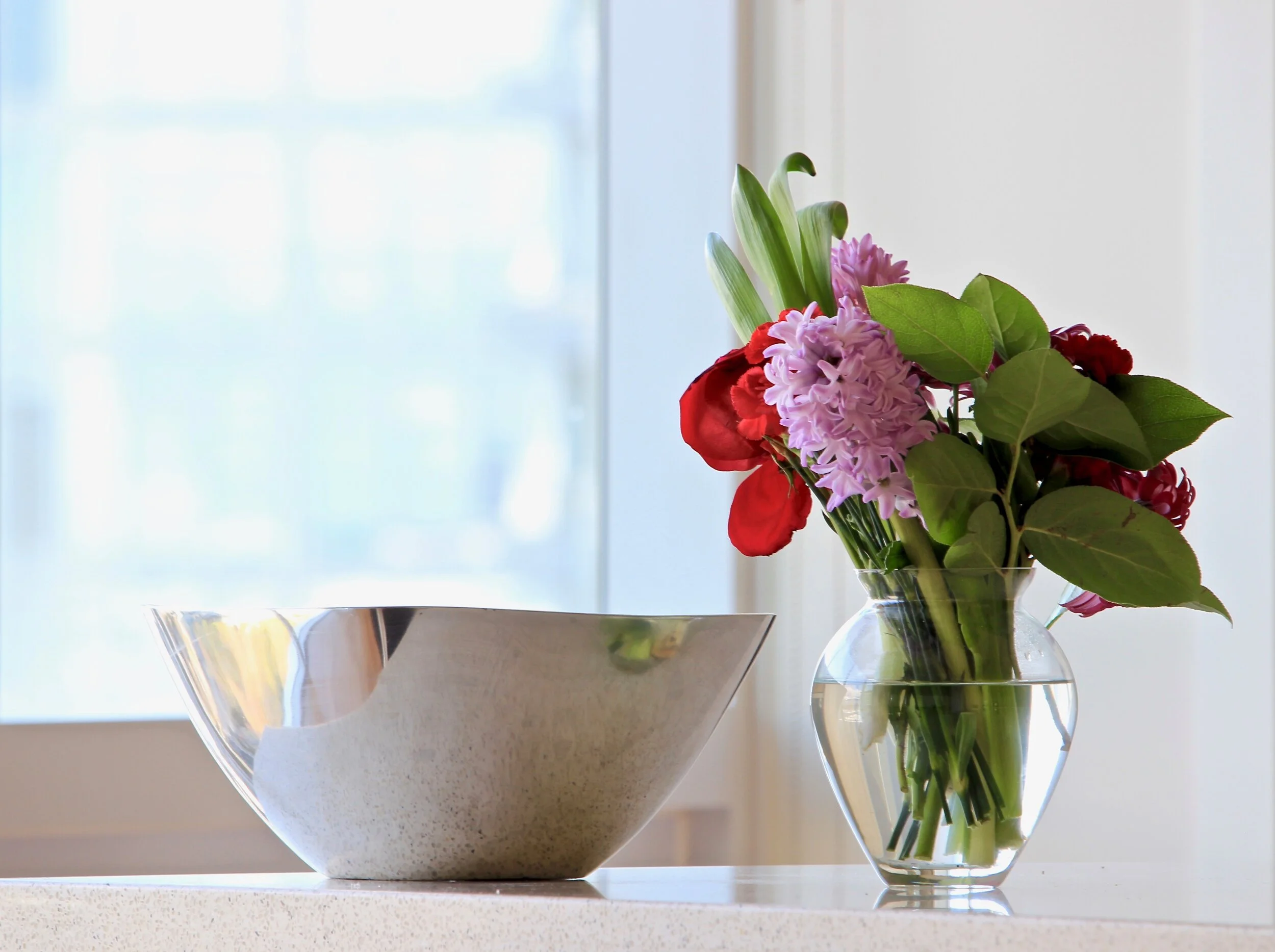
Photo by Julie Marsh on Unsplash
In short: Primary foods are everything that nourishes you off the plate: relationships, movement, work, spirituality. Spring is a perfect time to look after them. Instead of being hard on yourself about the winter, do as nature does and wake up gently: talk to someone, get outside, create, be grateful, eat real food and plan time for yourself.
The first warm day arrives. You take your lighter clothes out of the wardrobe, and the trousers that fitted in September feel tight. In a second, the lovely morning is spoiled. The voice in your head starts: you should have been more careful, you have no willpower, you must start a diet on Monday.
Far too many of us greet spring like this, with stress, self-criticism and self-sabotage over a little winter weight. It creates shame, guilt and pressure. And even if you do start a diet, a change that comes from a place of not liking yourself doesn’t last. You end up with more stress, not less. If that harsh voice is familiar, you might like to read about moving from self-criticism to self-love.
I’d like to suggest something else. Just look at Mother Nature and imitate her. She doesn’t force anything. She opens up slowly, a little more each day, and that’s how she finds her balance and vitality again.
What are primary foods?
Primary food is an idea from my training as a health coach. It means everything that feeds you without being on your plate: your relationships, the way you move, your work, your spiritual life. What you eat is secondary food. It counts, of course, but when your primary foods are in good shape, you have energy, you feel good in yourself, and eating well becomes so much easier.
So this spring, before you change anything on your plate, look at the rest. Here are eleven ways to take care of yourself.
How can you nourish yourself this spring?
1. Talk to someone
It sounds obvious. But when you feel a little sad, even talking to a close friend can seem difficult. The next time someone asks “How are you?”, don’t just say “fine”. Be honest. They have a good reason to ask. And discovering that other people feel the same way puts things back in perspective. Relationships are such an important part of primary food that I wrote a whole article on having happy relationships.
2. Move and spend time outdoors
After months spent indoors, your body needs exercise and fresh air. Step away from your screens, go out and enjoy the sun. Get your blood flowing and remember what your body can do.
Walk as much as you can. It’s good for your circulation and it clears your mind. Try to be surrounded by nature. The whole world is waking up and starting again. Watch it happen, and you’ll soon feel inspired to make a few changes of your own.
3. Enjoy a picnic
What better way to enjoy the beauty of spring than eating outside? Invite friends or family and share the moment, or go by yourself. If you picnic alone, take a book, some music or anything else that relaxes you. A blanket, some bread, a salad and a piece of fruit are enough.
4. Let fresh air into your home
When the weather finally warms up, one of the best ways to refresh your home is simply to open the windows.
Scented candles and air fresheners can contain chemicals you’d rather not breathe. You can make your own with natural ingredients and essential oils. Add freshly cut flowers as a finishing touch. And if you feel like going further, I share my approach to a simpler kind of spring cleaning.
5. Do something creative
Is music your thing? Do you like painting? Knitting, playing an instrument, writing: we all have a little creativity in us, and it’s very rewarding to draw on it.
How talented you are doesn’t matter. Concentrate on making something. While your hands are busy, your mind rests.
6. Write a happiness list
Do you remember that incredible trip you took? That evening with your friends? Make a list of all the good things in your life: the people who make you laugh, what you have accomplished, the happy experiences you’ve had.
Add colour, add pictures, and look at it again whenever you need cheering up.
7. Stay away from alcohol
You may be tempted by a glass of wine, or three, after a hard day. It’s a short-term solution. After the pleasure of the first few sips, alcohol upsets the balance of your brain, your mood drops, and you wake up tired the next day. And the cycle continues. Try a walk, a herbal tea or a phone call instead, and see how you feel the next morning.
8. Eat yourself happier
Some foods are friends of your mood. A square or two of good-quality dark chocolate is one of them. Foods rich in omega-3, such as oily fish and nuts, are another: these healthy fats feed your brain.
Preparing a healthy meal is an important way of taking care of yourself. It may be easier to put a pizza in the oven, but you’ll feel much better after real food. You’ll find plenty of ideas in my easy, healthy recipes.
9. Stay away from social media
People share the best moments of their lives online. When you’re feeling down, the negative voice in your head tells you that everyone is having much more fun than you. Put your phone down and come back to the present moment.
Give your mind a break from being constantly connected and stimulated. Listen to the birds sing, feel the breeze on your skin and let your thoughts wander.
10. Keep a daily gratitude journal
With the change of season, start writing down something you’re grateful for. Every day, take a moment to think about it. It could be another beautiful day or a job you find rewarding. It could also be birdsong in the morning or a child’s smile. We forget the good things so quickly that it’s worth stopping to see them. I explain more in how gratitude can change your outlook.
A journal is also a good outlet for everything else that’s on your mind, especially when you feel overwhelmed. You don’t have to write every day, or write much. A sentence or a single word is enough. And one day, it will feel good to read what you wrote months earlier.
11. Plan time for yourself
This is the last one, and probably the most important. We have so much to do, for our family, for work, for everyone else, that there’s no time left for us. You need to slow down. Do some of the things on this list, and others you love that aren’t on it. Always plan this time in your calendar, the way you would protect any other non-negotiable. Enjoy the sunny days of spring and do something that makes you smile!
Where do you start?
Not with all eleven. Read the list again and choose the one that makes you think “oh yes, I’d like that”. Do it this week. Next week, add another one. That’s how nature does it: one bud, then another, and suddenly the whole tree is in flower.
How do you plan to take care of yourself this spring?
Frequently asked questions
What are primary foods?
Primary foods are the things that nourish you off the plate: your relationships, movement, your work and your spiritual life. When they are in good shape, you have more energy and eating well becomes easier.
I put on weight over the winter. Should I start a diet in spring?
I would start with kindness instead. Changes made out of shame or guilt rarely last and add stress. Moving more, getting outside, eating real food and sleeping well bring your body back into balance far more gently.
Which of these ideas should I start with?
Choose the one that makes you smile when you read it, and do it this week. One thing done with pleasure is worth more than a long list you never begin.
How do I find time for myself when my days are full?
Put it in your diary like any other appointment, even if it is only twenty minutes. Time for yourself that is written down is much harder to give away.
When should I talk to my doctor?
If you feel low, tired or without interest in things for more than two weeks, or if you rely on alcohol to get through difficult days, talk to your doctor. These tips support your wellbeing, but they do not replace medical care.
Would you like some help?
Looking at the whole of your life, and not only at your plate, is how I work. Primary foods have their place in my group programmes in nutrition and health, such as Six Tuesdays in Montignac. If you’d like to hear when the next group opens, write to me at hello@catherinepolet.coach.
Would you rather work one to one? I also coach online. Book a free 20-minute call, and we’ll see together what would nourish you most this season.
About Catherine
I’m Catherine Polet, a holistic nutrition health coach, yoga and autogenic training teacher for more than 30 years, author and speaker. I help people find a way of eating and living that suits their own body, online in English, French, Spanish and German, and in person in Southwest France.

