

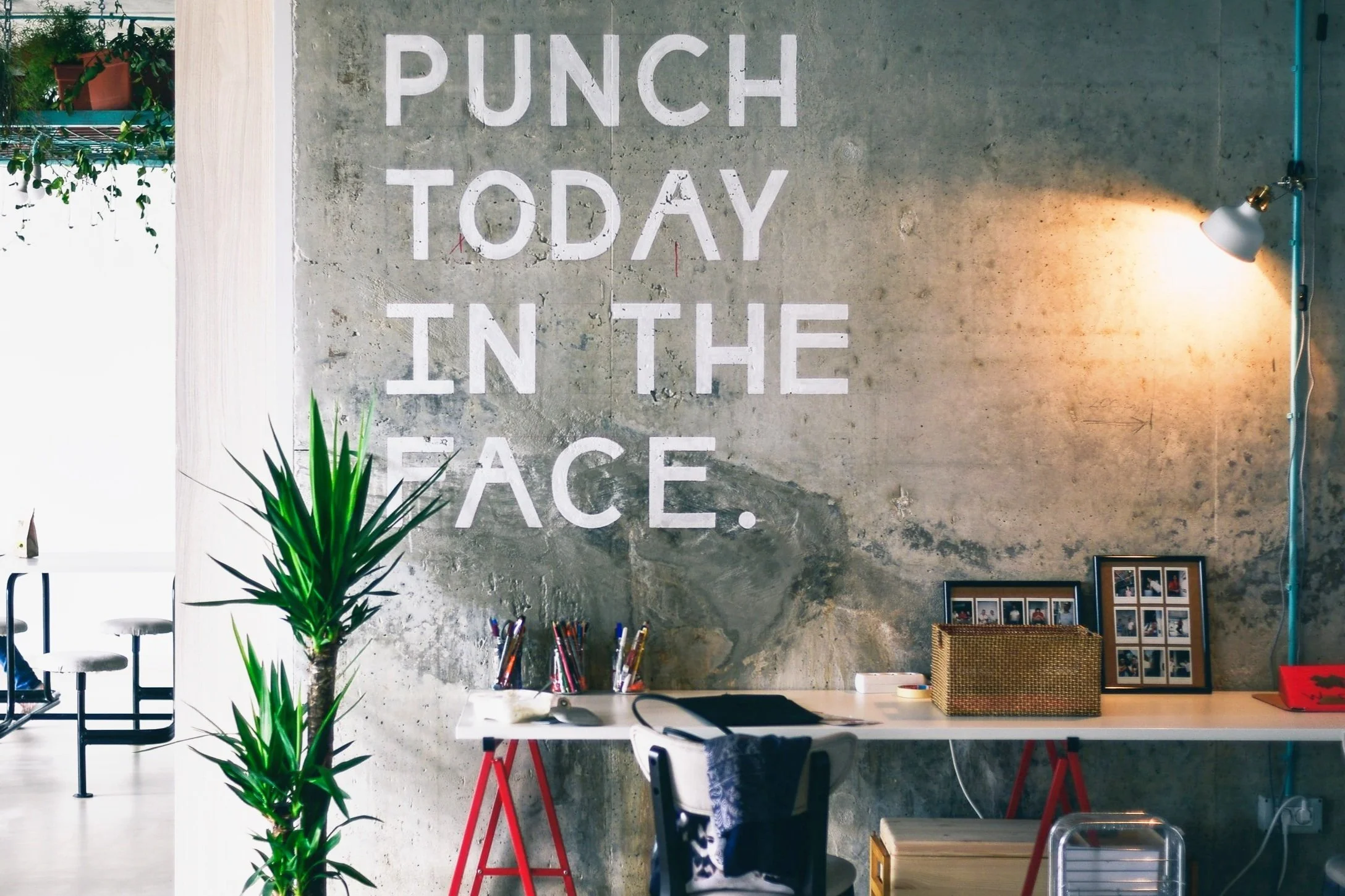
Photo by Johnson Wang on Unsplash
In short: Stress at work eases when you know where it comes from, do one thing at a time, and build small pauses into your day. Choose a few priorities each morning, check your emails at set moments, leave a little space between meetings, and learn a kind way to say no. Add movement, a real lunch, people you can talk to and a clear end to your working day, and the pressure becomes something you can work with.
It’s ten past nine. You’ve just sat down, your coffee is still too hot to drink, and there are already more unread emails than you can count at a glance. A colleague leans in with “have you got a minute?”. Your phone buzzes. A meeting reminder pops up for something you’d forgotten. Your shoulders are somewhere near your ears, and the day has barely started.
Does that feel familiar? Then stay with me for a few minutes. I won’t promise you a working life without pressure, because that doesn’t exist. What I’d like to share are the simple things that help you stay steady in the middle of it, and even do good work while you’re there.
Where is your stress at work really coming from?
Before you change anything, pause and look. “Work is stressful” is too big to do anything with. What exactly is weighing on you this week?
Maybe you’ve taken on too many projects. Maybe it’s one person whose way of working rubs against yours. Maybe it’s the constant interruptions, or a deadline nobody thought through, or the feeling that whatever you do is never quite enough. Take a sheet of paper and write it down, as plainly as you can. Once the source has a name, you can do something about it. As long as it’s a vague cloud, it follows you everywhere.
Stress doesn’t always show up as worry, either. It can look like tiredness, a short fuse, a tight jaw or a hand in the biscuit tin at four o’clock. I’ve described those quieter signals in my article on the hidden signs of stress.
Can stress really become productive?
Up to a point, yes. A bit of pressure wakes you up. Think of the last hour before a deadline, when you suddenly know exactly what matters and what doesn’t. That alertness is your body doing its job.
What makes the difference is what you do with that energy, and whether you rest afterwards. Pressure with a direction gets things done. Pressure without one turns into worry, and worry eats the very hours you needed. So the question isn’t how to get rid of stress altogether. It’s how to give it somewhere to go. Here is what helps.
1. Choose three priorities for the day
Write down the three things that truly matter today. Three, and no more. Start with the first one before you open anything else. The rest of the list can wait its turn, and some of it will quietly stop mattering. If you find this hard, you might enjoy my piece on achieving more by doing less.
2. Break big tasks into small ones
We put things off when they look too big. “Write the report” is a mountain. “Write the first paragraph” is a step you can take before lunch. Cut the work into pieces small enough that you could begin one in the next ten minutes, and begin.
3. Do one thing at a time
Jumping between a document, a chat and a phone call feels busy, but it leaves you tired and full of half-finished things. Give one task your whole attention, finish it or reach a natural stopping place, then move to the next. You’ll work faster, you’ll make fewer mistakes, and your mind will be quieter at the end of the day.
4. Clear your desk and your list
A cluttered desk and a list of forty things both tell your mind the same story: there’s too much. Tidy what’s in front of you, cross off what doesn’t need doing, and set goals for the week that a real person could reach. I wrote more about this in how to simplify your work life.
How do you bring a little mindfulness into a working day?
Mindful work simply means being where you are, with the task in front of you, instead of being half in the next meeting and half in last night’s argument. You don’t need a cushion or a quiet room. You need a few small habits.
Begin the day on purpose. Before you open your inbox, sit for a minute, feel your feet on the floor and take a few slow breaths. If you’d like a simple technique, you’ll find several in my step-by-step breathing guide.
Give your inbox set times. An inbox that’s open all day is a door anyone can walk through. Choose two or three moments to check your emails, and close it in between. Turn off the notifications on your phone while you’re working on something that needs thought.
Leave space in your calendar. Meetings booked back to back leave you rushed and never quite present. Keep ten minutes between them when you can: time to finish your notes, stand up, drink some water and arrive in the next conversation with a clear head.
Take real breaks. A short walk, a stretch, a look out of the window. And eat your lunch sitting down, away from the screen. If the afternoon usually sends you to the vending machine, have a look at my ideas for healthier snacks at work.
Notice what’s good. At the end of the day, name one thing that went well or one person you were glad to work with. It sounds small. It changes what you carry home.
And be patient with yourself. These are practices, which means you’ll forget, and start again. That’s how it works for everyone.
How do you say no without feeling guilty?
When the work piles up, saying yes to everything isn’t kindness, it’s a slow way of letting everyone down, yourself included. It’s better to do a few things well than many things badly.
Be honest with your manager about your limits, and talk about priorities instead of refusing flat out. You could say: “I can take this on. Which of my other projects should wait?” Or: “I’d like to do this properly, and I can’t before next week.” Most people respect a clear answer far more than a tired yes.
The same goes for your own time. Decide when your working day ends and keep to it. Protect an evening for the people you love, a hobby, a book, a film. These aren’t rewards for when the work is done, because the work is never done. They’re what make you able to do it. I’ve written about protecting them in non-negotiables to keep stress at bay.
What helps when the pressure is already high?
Some days you can’t plan your way out. The pressure is there, and you need something that works now.
Breathe out slowly. A long, slow out-breath tells your body it’s safe to come down a notch. Three or four of them at your desk and your shoulders drop.
Move. You don’t need a gym. A brisk walk round the block, the stairs instead of the lift, or a few minutes of dancing in the kitchen when you get home will shake off a surprising amount of tension.
Talk to someone. Saying it out loud to a friend or a trusted colleague often puts things back in proportion. Nobody copes well alone. And when it’s their turn, listen to them in the same way.
Laugh. Something silly, a funny message from a friend, a shared joke in the corridor. Laughter loosens the grip of a hard day faster than almost anything.
Remember why you do this work. When you can connect a task to something you care about, it weighs less. Ask yourself what matters to you here, and who benefits from what you do.
Then, when the busy stretch is over, rest properly. Real recovery is what allows you to go again, and I’ve written about it in the power of time off.
Try this tomorrow morning
Before you open your emails, take three slow breaths. Write your three priorities on a piece of paper and put it where you can see it. Block lunch in your calendar as if it were a meeting. Choose the time you’ll stop, and at that time, close the laptop and say to yourself: that’s enough for today. Do it for one week and see how your evenings feel.
Frequently asked questions
Can stress at work ever be useful?
A little pressure can sharpen you: a deadline helps you focus and a challenge can bring out your best. It becomes a problem when there is no pause afterwards. Pressure followed by rest keeps you well. Pressure on top of pressure wears you down.
How do I say no to my manager without seeming unwilling?
Talk about priorities instead of refusing. Say what you are working on and ask which task should wait if the new one comes first. You are showing that you care about doing the work well, and you leave the choice with the person who is asking.
I have no time for breaks. What can I do?
Start with very short ones. Three slow breaths before you open your inbox, a walk to the window, a glass of water drunk standing up. A break of two minutes that you really take is worth more than a long one you keep postponing.
Does what I eat change how I cope with stress at work?
Yes, more than most people expect. A skipped lunch or a day on coffee and biscuits leaves you shaky and short-tempered by the afternoon. A proper meal with protein, vegetables and some carbs, eaten sitting down, gives you steadier energy and a calmer mood.
When should I talk to my doctor?
If you sleep badly for weeks, feel anxious or low most days, dread going to work, have chest pain, palpitations or frequent headaches, or lean on alcohol or food to get through the evening, please talk to your doctor. A therapist or counsellor can also help, and asking is a sign of good sense.
Would you like some help?
How you eat, sleep, move and rest shapes how you carry a demanding job, and it’s one of the things we work on in my group programmes in nutrition and health, such as Six Tuesdays in Montignac. If you’d like to hear when the next group opens, write to me at hello@catherinepolet.coach.
Would you rather work one to one? I also coach online. Book a free 20-minute call, tell me what your working days look like, and we’ll find the two or three changes that would let you come home with some energy left for yourself.
About Catherine
I’m Catherine Polet, a holistic nutrition health coach, yoga and autogenic training teacher for more than 30 years, author and speaker. I help people find a way of eating and living that suits their own body, online in English, French, Spanish and German, and in person in Southwest France.

