

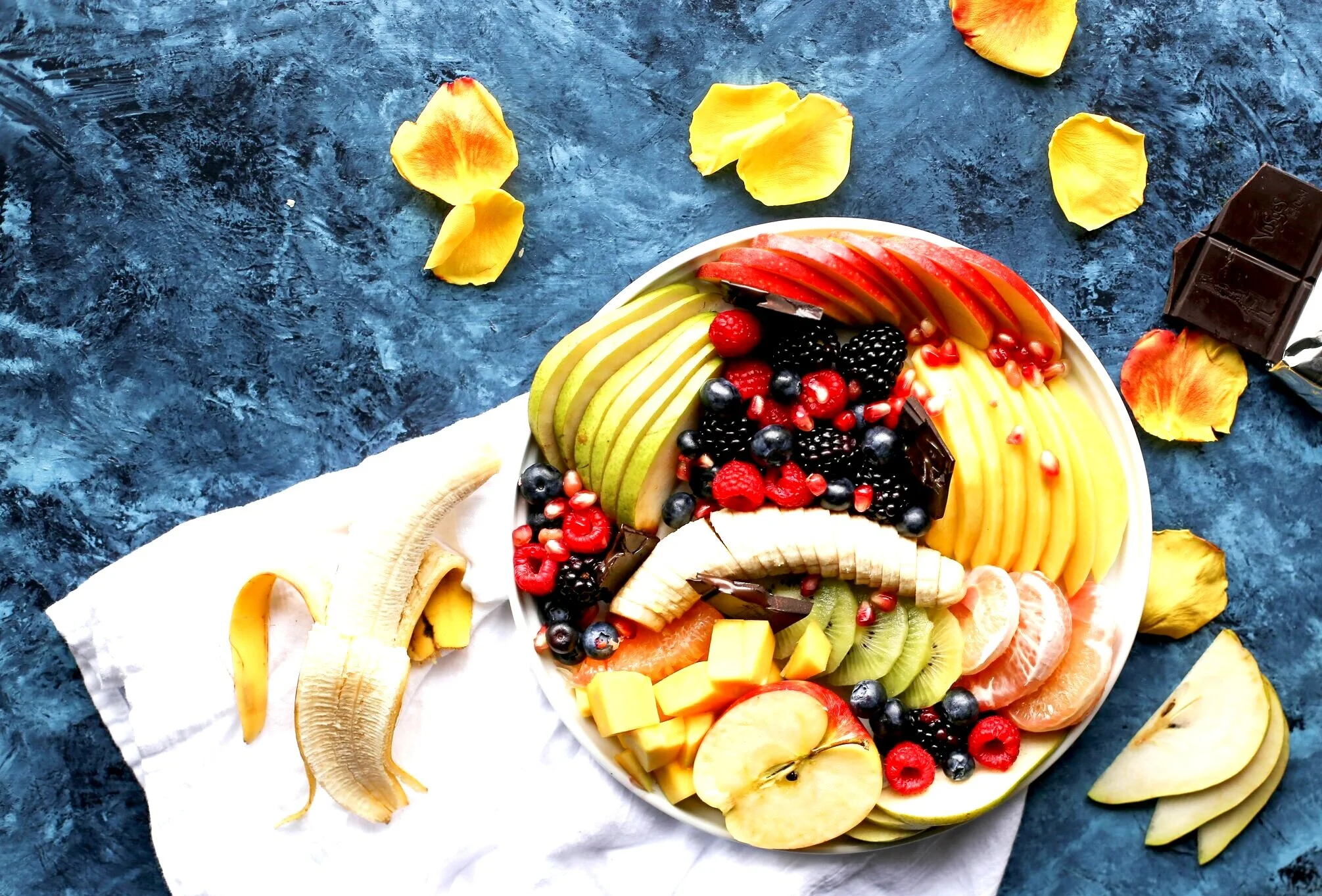
Photo by Brenda Godinez on Unsplash
In short: A healthy snack at work is one you’ve prepared in advance, that mixes a little protein, healthy fat and fibre-rich carbs, and that you eat away from your screen with a glass of water or a cup of herbal tea. It gives you steady energy for the rest of the afternoon, where a cereal bar or a packet of crisps gives you a short lift and leaves you hungry again.
It’s the middle of the afternoon. Lunch feels like a long time ago, your concentration is slipping and there’s a report to finish. Someone has left biscuits in the kitchen, the vending machine is down the corridor, and at home the cupboard is only a few steps from your desk. Before you’ve really decided anything, you’re eating something from a wrapper while reading your emails.
If you’re hungry and snack on cereal bars or crisps between meals, it’s worth thinking about a switch. Eating healthy meals and then having junk food for snacks doesn’t make much sense. A healthy snack looks after your body and gives you the energy you need to work well.
Why do we reach for the wrong snacks at work?
Mostly because they’re there. When you’re hungry and busy, you take what’s closest and quickest, and what’s closest in most workplaces is sweet, salty and wrapped in plastic.
These snacks give you a fast burst of energy, and then it drops away again, often leaving you more tired and more hungry than before. That’s a big part of the afternoon energy dip so many people know. And once the sweet taste is there, your body tends to ask for more, which is how sugar cravings keep themselves going.
There’s another reason too. Sometimes it isn’t hunger at all. You’re bored, stuck on a task, tense after a difficult call, or you simply need a break and food is the only excuse that feels allowed. If you’d like to tell these apart, my article on the seven kinds of hunger is a good place to start.
How can you snack healthier while working?
1. Prepare your snacks ahead
Do it in your free time, at the weekend for example, or the evening before while dinner is cooking. Wash some fruit, cut a few carrot and cucumber sticks, fill a small jar with nuts, boil a couple of eggs. With home-made snacks ready, you won’t be tempted to go and buy junk food.
It’s also a good idea to always have a snack in your bag, in case hunger arrives when you’re not at home: between two meetings, on the train, or in the car on the way back.
2. Stop whatever you’re doing
When you eat, try to stop everything else. Push the keyboard away, or better, leave your desk. Look at your snack, taste it and eat it slowly. When you eat while typing, your mind hardly registers the food, and you may well still feel hungry afterwards. A few quiet minutes are also a real break for your head. You’ll find more on this in my questions and answers on mindful eating.
3. Go nuts
Nuts are a really good and practical option. They’re satisfying, full of nutrients and healthy fats, and they travel well in a bag or a desk drawer. Choose plain, unsalted ones. A small handful is enough: they’re rich, so there’s no need to eat them straight from a big bag.
4. Keep the fibre
If you like fruit, eat it with the peel whenever you can. Apples, pears, plums and grapes keep you full for longer that way, and you don’t miss out on the fibre they contain. Wash them at home before you leave. It’s much more practical, and you can eat them whenever and wherever you want.
5. Mix it up
You can make a snack from small portions of different foods. Bringing together protein, healthy fat and carbs is what makes it balanced, and what keeps you going until dinner. A few ideas:
An apple with a few almonds or a spoonful of nut butter
Natural yoghurt with berries and a sprinkle of seeds
Hummus with carrot, cucumber or pepper sticks
A boiled egg with a slice of wholegrain bread
A piece of cheese with a pear
A small pot of overnight oats, made the evening before
A couple of squares of dark chocolate with a handful of walnuts
6. Don’t forget your H2O
Drink a glass of water or a cup of caffeine-free tea with your snack. You’ll feel more satisfied, and you’ll be well hydrated as well, which matters more than you might think: thirst is easily mistaken for hunger, and even being a little short of water affects your mood and concentration.
What if you work from home?
At home, the whole kitchen is your vending machine. A few small habits help:
Decide in the morning what your snack will be, and put it on a plate when the time comes. Don’t eat from the packet.
Keep fruit in a bowl where you can see it, and biscuits in a cupboard where you can’t.
Eat at the table, not at your desk.
Take a real lunch. A lunch that’s too light or eaten in five minutes is the most common reason for raiding the cupboard later.
Try this today
This evening, prepare one snack for tomorrow and put it in your bag or at the front of the fridge. Tomorrow afternoon, before you eat it, drink a glass of water and ask yourself one question: am I hungry, or do I need a break? If you’re hungry, enjoy your snack away from the screen. If you need a break, stand up, open a window or walk around the block. Often you’ll need both, and that’s fine.
Frequently asked questions
What is a healthy snack to eat at work?
One that combines a little protein, a healthy fat and a carb with fibre. An apple with a few almonds, natural yoghurt with berries, hummus with carrot sticks or a boiled egg with a slice of wholegrain bread all keep you going far longer than a cereal bar or crisps.
Do I need to snack between meals at all?
Not necessarily. If your meals are satisfying and you feel well until the next one, you do not need a snack. If you are truly hungry, or there is a long gap between lunch and dinner, a small balanced snack is a sensible choice.
Why do I always want something sweet in the afternoon?
Often because lunch was too light or too quick, because you are tired, or because you need a break more than you need food. A proper lunch, a glass of water and a few minutes away from your desk help, and a balanced snack does the rest.
How can I stop nibbling at my desk without noticing?
Put your snack on a plate, move away from your screen and eat it sitting down, paying attention to it. Keep sweets and biscuits out of sight, and keep the food you would like to eat within easy reach.
Would you like some help?
Eating in a way that keeps your energy steady through a working day, snacks included, is something we look at closely in my group programmes in nutrition and health, such as Six Tuesdays in Montignac. If you’d like to know when the next group starts, send me a note at hello@catherinepolet.coach.
Prefer to work one to one? I also coach online. Book a free 20-minute call, tell me what your working day looks like, and we’ll find the meals and snacks that fit into it.
About Catherine
I’m Catherine Polet, a holistic nutrition health coach, yoga and autogenic training teacher for more than 30 years, author and speaker. I help people find a way of eating and living that suits their own body, online in English, French, Spanish and German, and in person in Southwest France.

