The Afternoon Energy Dip: Why You Crash at 3pm in Autumn, and How to Get Your Energy Back
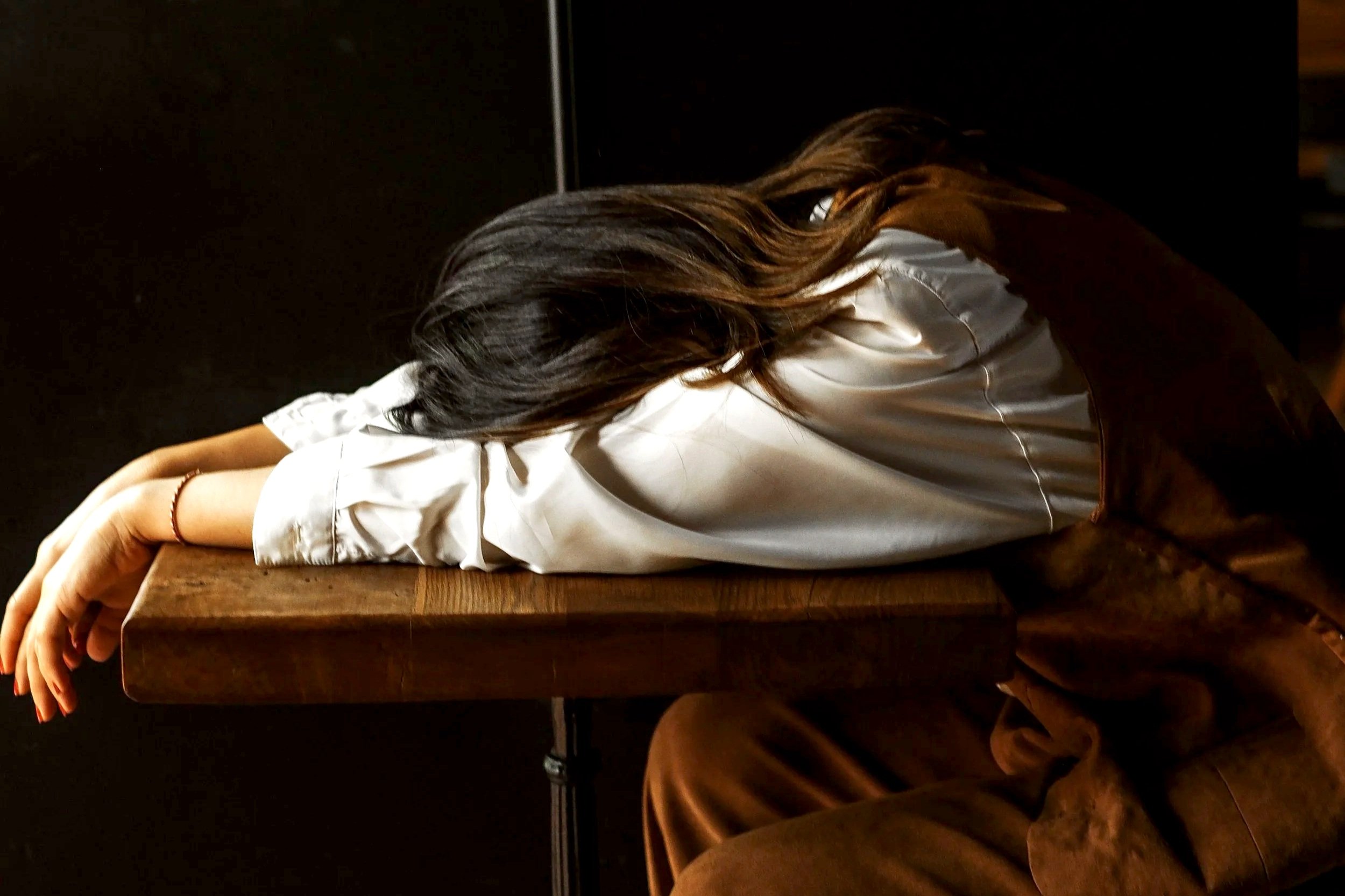
Photo by Gülşah Aydoğan on Pexels
In short: A small dip in energy after lunch is built into your body clock. A real crash, the kind where you can hardly keep your eyes open and start hunting for something sweet, usually comes from what happened earlier in the day: a light breakfast, a lunch that sends your blood sugar up and down, too little water, too little daylight. Autumn makes all of this stronger. A few simple changes to your plate and your day can give you your afternoons back.
It’s three o’clock. You had a sandwich at your desk, or a plate of pasta, or maybe just what was left in the fridge. And now the afternoon stretches ahead of you like a hill. You read the same sentence three times. You wonder if there’s any chocolate left in the cupboard. You promise yourself an early night, and by nine in the evening you are wide awake again.
If that sounds like your afternoons, read on. Most of it comes down to how the day has gone before three o’clock, and that is something you can change.
Is it normal to feel tired after lunch?
Yes, a little. Our body clock has two low points in every 24 hours: one in the middle of the night, and a smaller one in the early afternoon. That’s why so many cultures have a siesta. A gentle slowing down around two or three o’clock is simply how we are made.
A crash is something else. When you feel foggy, irritable, heavy, or you can’t think about anything except coffee and sugar, something is adding to that natural dip. Most of the time, it’s not one thing. It’s a few small things that pile up.
Why does it hit harder in autumn?
Have you noticed that you were fine in July and that everything feels heavier in October? There are reasons for that.
There’s less light. Morning daylight is the signal that tells your body “it’s daytime, wake up”. In autumn we get up in the dark, drive in the dark, and spend the day indoors. Your body clock gets a much weaker signal, and the afternoon dip feels deeper.
We move less. No more evening walks or gardening after dinner. And a body that doesn’t move handles food more slowly.
We eat differently. When it’s cold and grey, we want warmth and comfort: bread, pasta, potatoes, something sweet with a cup of tea. That’s a natural reaction to the season, and there is nothing to feel guilty about. But a plate made mostly of carbs is exactly what sets up the three o’clock crash.
What does your lunch have to do with it?
A lot. When a meal is mostly bread, pasta, rice or sugar, with little protein and few vegetables, your blood sugar goes up quickly. Your body brings it back down just as quickly, and a couple of hours later you land lower than where you started. That landing is the crash. And what does your body ask for at that moment? More sugar. So the whole thing starts again.
Breakfast plays its part too. A coffee and a slice of toast at seven means you’re running on empty by eleven. You arrive at lunch starving, you eat fast, you eat more carbs, and the afternoon is already decided.
We also don’t all react the same way. As I explained in my article on bio-individuality, researchers have found that two people can eat exactly the same meal and have completely different blood sugar responses. So your lunch may suit your colleague perfectly and still leave you half asleep.
What should you eat for steady energy?
No diet needed, just a plate that keeps you going. Here is what I suggest to my clients.
Start the day with protein. Eggs, plain yoghurt with nuts and seeds, or last night’s leftovers if that’s what you fancy. A breakfast with protein keeps you steady until lunch.
Build your lunch around protein and vegetables. Fish, eggs, chicken, lentils, chickpeas or a piece of goat’s cheese, and half a plate of vegetables. In autumn: leeks, cabbage, beetroot, mushrooms, carrots, squash.
Add some healthy fats. Olive oil, walnuts, avocado, a spoonful of tahini. Fat slows digestion down and makes you feel satisfied.
Keep the carbs, as the side dish. A few potatoes, some rice or a slice of good bread next to the rest, not as the main event.
Drink water through the morning. Being a little dehydrated feels very much like being tired. Have a glass of water before you decide you need another coffee.
Have your last coffee before lunch. Caffeine stays in your body for hours. The cup that rescues you at four can be the reason you lie awake at midnight, and tomorrow’s afternoon will be even harder.
If you’re hungry in the afternoon, eat something real. An apple with a handful of walnuts, some hummus with carrot sticks, a boiled egg. Something with protein or fat, so it lasts.
Two things that have nothing to do with food
Go outside after lunch. Even ten minutes. A review of seven studies published in 2022 found that just a few minutes of light walking after a meal lowers blood sugar compared with staying seated. And on a grey October day, there is still far more light outside than in any room of your house. You get two benefits from one short walk.
Look at your evenings. A late, heavy dinner, a glass of wine and a short night set up the next afternoon before the day has even begun. Very often, the three o’clock problem starts at ten the night before.
What mistakes should you avoid?
Skipping lunch to “stay light”. You will pay for it at four, usually with whatever sweet thing is closest.
Fixing it with caffeine and sugar. It works for twenty minutes, then the next dip is deeper.
Changing everything at once. Pick one thing this week, your breakfast or your lunch, and see what happens.
Judging yourself. Tiredness is useful information about your day.
Try this for one week
For the next seven days, change only your lunch: protein, lots of vegetables, some healthy fats, carbs on the side. Then walk for ten minutes afterwards. At three o’clock, stop for a moment and notice how you feel. Write down a few words each day.
At the end of the week, read your notes with a cup of tea. I’d be surprised if you didn’t see a difference. And you’ll have learned something about your own body that no diet book could tell you.
Frequently asked questions
Why do I get so tired around 3pm?
Part of it is your body clock, which has a natural low point in the early afternoon. The rest usually comes from blood sugar dropping after a lunch high in carbs or sugar, not enough water, a short night, or too little daylight.
What is the best lunch to avoid an afternoon slump?
One built around protein and vegetables, with some healthy fats and a small portion of carbs. For example, a piece of fish with roasted vegetables and a few potatoes, or a lentil salad with goat’s cheese and walnuts.
Does coffee help with the afternoon dip?
For a short while, yes. But caffeine late in the day can disturb your sleep, and poor sleep makes the next afternoon worse. Try water, daylight and a short walk first.
When should I talk to my doctor?
If you feel exhausted most days whatever you eat, or if the tiredness is new, strong or comes with other symptoms, please see your doctor. Tiredness can have medical causes, and it’s worth checking.
Would you like some help?
Knowing what to do is one thing. Doing it on a busy Tuesday, when you’re tired and there’s nothing ready in the fridge, is another. That’s where a group helps.
This autumn, I’m bringing people together for Six Tuesdays in Montignac, a six-week group programme in nutrition and health at the salle des fêtes in Montignac-de-Lauzun, in the Lot-et-Garonne. Energy is one of the first things we look at, together, around a table, with real food to taste. There is an English group at 10:00 and a French group at 15:00, starting on 20 October, and sign-ups close on Friday 16 October. If you’re wondering why a group helps, here are 7 benefits of changing your eating habits together.
Not nearby, or would you prefer to work one to one? Have a look at how we can work together, or book a free 20-minute call. I’d love to help you get your afternoons back.
About Catherine
I’m Catherine Polet, a holistic nutrition health coach, yoga teacher of more than 30 years, autogenic training teacher, author and speaker. I help people find a way of eating and living that suits their own body, online in English, French, German and Spanish, and in person in Southwest France.