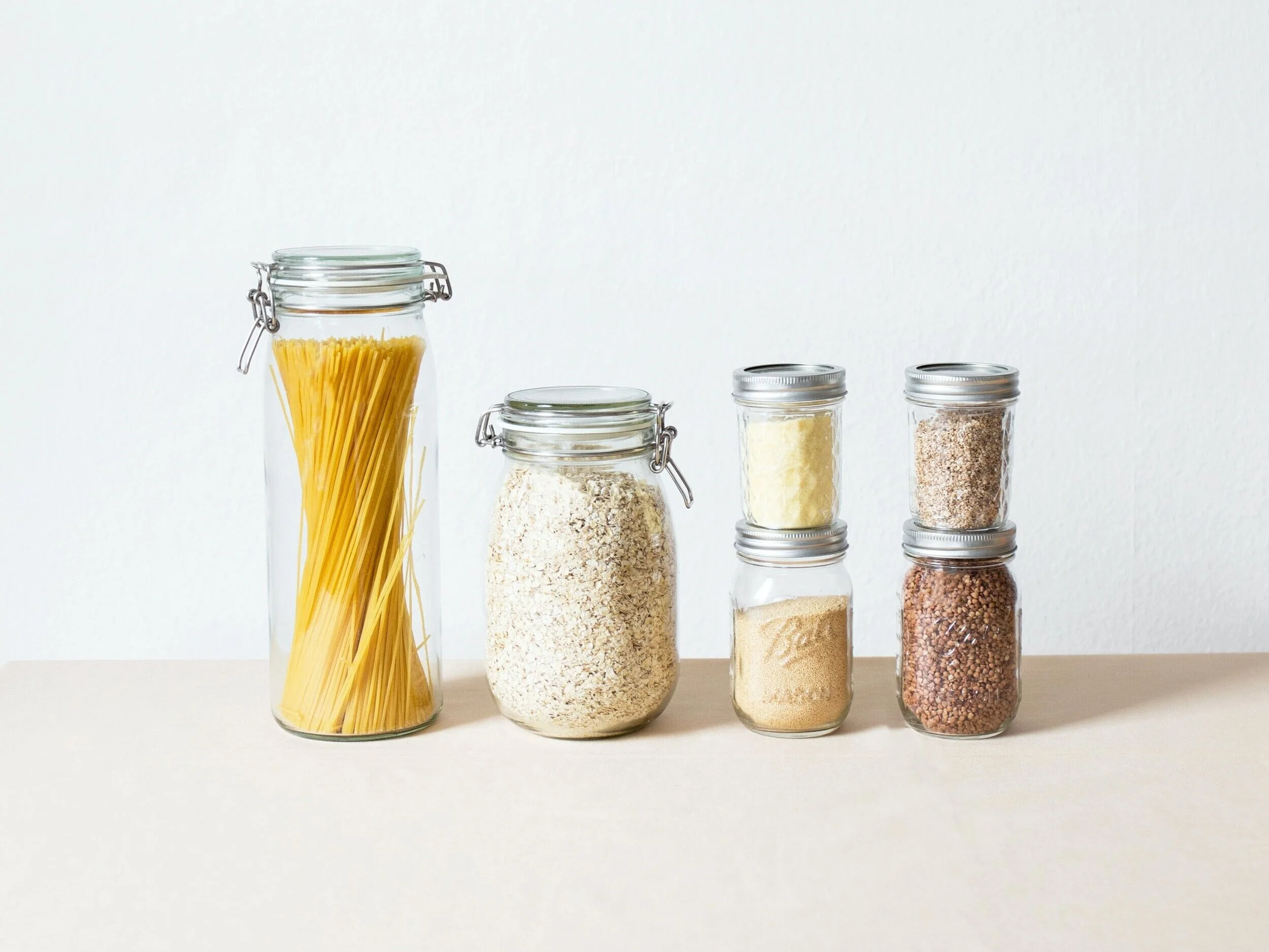
Photo by Laura Mitulla on Unsplash
In short: A waste-free kitchen doesn’t happen overnight, and it doesn’t have to. Start by noticing what you throw away in a week, then add one habit at a time: plan your meals, shop with a list, buy local with your own bags, organise your fridge, freeze your leftovers and share what you won’t eat. What is good for the planet turns out to be good for your health and your purse as well.
It’s the evening before the bins go out. You open the fridge to see what there is for dinner and find a bag of salad that has turned to soup, half a courgette gone soft, a pot of cream well past its date and a tub of something you cooked last week and can no longer identify. Into the bin it all goes, together with a small mountain of plastic trays and wrappers. You close the lid and feel a little pang: that was food, and it was money.
Every day, an enormous amount of food and plastic is thrown away, in every street, in every town. We do need to make changes for a more sustainable world. That won’t happen overnight, but you can start now, at home, by changing a few things yourself. You don’t need to turn your whole life around at once. You can bring new habits in gradually, one after the other.
What do I mean by Healthy You, Healthy Planet?
For me, sustainable living and taking care of your health belong together. Our health and the health of our planet go hand in hand. I call it “Healthy You, Healthy Planet”.
Think about what a kitchen with little waste looks like: fresh vegetables bought nearby, meals cooked at home, a pot of beans simmering, leftovers turned into tomorrow’s lunch. It is also, quite simply, a healthy kitchen. And if you care about our planet’s health, you should care about your own as well. When you eat this way, you soon notice it: you feel better, you have more energy, and you feel good about the way you live.
Where is a good place to start? The kitchen!
The kitchen is where most of a household’s waste is produced, and where the smallest changes show the quickest results.
Be aware
Look at what you normally throw away in a week. Food, packaging, plastic. Now imagine everyone on the planet doing the same. It’s a little absurd, isn’t it? You don’t have to feel guilty about it. Just look. You’ll probably see a pattern: the same bag of salad, the same half loaf of bread, the same yoghurts bought in a pack too big for you. That pattern tells you exactly where to begin.
How do you waste less before you even start cooking?
Plan your meals
Planning your meals in advance is the habit that changes the most. It doesn’t have to be complicated: a piece of paper on a Sunday, the dinners for the week, and a look in the fridge to see what needs to be eaten first. Go for healthy, simple meals. They’re more sustainable too. If planning is new to you, you’ll find my answers to the most common questions in 18 FAQs on meal planning.
Have a grocery list
Once you know what you’ll eat during the week, your shopping list almost writes itself. A list saves you from wasting food and money. With it in your hand, you’re far less likely to buy junk food, or food you don’t need and won’t eat. One more tip: take a quick picture of the inside of your fridge, your freezer and your cupboard before you leave. It stops you from coming home with a third jar of mustard. There’s more on this in how to simplify your grocery shopping.
Go local
Choose carefully where you do your shopping. Where you can, buy from local producers and markets. Their food travels less and needs less packaging, the quality tends to be better, and less is lost on the way between the field and your kitchen. Local food is also seasonal food, which makes your choices simpler: you cook what is there. If you’d like some ideas for this time of year, have a look at my simple autumn guide to eating with the seasons.
Bring your bags
Get ready before you go. Take reusable bags for your shopping, and small ones for fruit and vegetables. You can wash them, and they’re stronger and more practical than the thin ones from the shop. In some places you can bring your own containers and fill them with oats, nuts, seeds and other dry foods.
Choose less packaging
If you can, switch to products that have less packaging, or none at all. Buying vegetables, beans and lentils in cans may seem easier, but it isn’t essential. Dried beans and lentils are simple to cook yourself: soak the beans overnight, let them simmer while you do something else, and freeze what you don’t need in portions. You save the cans, and the taste is better. Reading what’s on the pack helps as well, and I explain how in how to decode product labels.
What can you change in the way you cook and eat?
Homemade meals
Instead of buying ready meals and drinks while you’re out or at work, bring them from home. Prepare a healthy homemade meal the evening before: you’ll find plenty of ideas among my easy healthy recipes. Take your own water bottle, your tea or coffee in a flask, or a homemade juice. That’s one sandwich box, one cup and one bottle that never reach the bin, every single working day.
Start with Meatless Mondays
Try eating a little less meat. Raising animals for food plays a big part in greenhouse gas emissions. You can replace meat with a vegetarian or vegan meal a couple of times a week, and it will already make a difference. A lentil stew, a vegetable curry, a big bean salad: none of these feels like going without. If you’re wondering how to make it work, I’ve written about making plant-based cooking fun and easy.
How do you stop food going off in the fridge?
Check your fridge temperature
A fridge that isn’t quite cold enough shortens the life of everything in it. Set it to about five degrees or a little lower, and your food stays fresh for longer.
Organise a smart fridge
Put the vegetables, the fruit and anything that will soon reach its date in the middle, where your eyes land first when you open the door. What you see, you eat. What hides at the back of the bottom drawer, you find three weeks later.
What can you do with leftovers and scraps?
Freeze your leftovers
Instead of throwing food away, freeze it, even if it’s only a small portion or one part of a meal. You can work it into a new dish later, or put several leftovers on the table together as a little buffet. Plan a couple of days a month to eat them, or keep them for the evenings when you have neither the time nor the wish to cook. On those evenings, a homemade meal waiting in the freezer is a real gift to yourself.
Repurpose
Keep your vegetable peels and trimmings, and any bones, and use them to make a broth. Collect them in a bag in the freezer until you have enough, cover them with water, add a bay leaf and let it all simmer. The broth can go back into the freezer too, ready for your next soup or risotto.
Share
And last but not least: if you’re going away and have food that won’t keep until you’re back, or if you bought something you know you won’t eat, give it away. Look for a food bank or a local association, or hand it to a neighbour or a friend who will make good use of it.
Try this: three small things you can do this week
Tonight: open your fridge and move everything that needs eating soon to the middle shelf. Plan tomorrow’s dinner around it.
Before your next shop: write down the week’s dinners, make your list, take a picture of your fridge and cupboard, and put your bags by the front door.
At the weekend: cook a little more than you need and freeze a portion, with a label. Your future self will thank you.
Then leave it there for a while. When these three feel normal, add another. That’s how habits stay, as I explain in why change is hard, and how to make healthy habits stick.
Frequently asked questions
Where do I start if a waste-free kitchen feels like too much?
Start by looking. For one week, simply notice what goes into your bin, without changing anything. Then choose the one thing you throw away most often and find a solution for that. One habit at a time is enough.
Does a waste-free kitchen cost more?
Usually the opposite. Planning your meals, shopping with a list, eating your leftovers and using what you already have all mean that you buy less and throw away less. Food in the bin is money in the bin.
What can I do with leftovers I do not feel like eating again?
Freeze them, even if it is only a small portion, and label the container. Later you can turn them into a new meal, such as a soup, a filling for tacos or an omelette, or put several small leftovers on the table together as a little buffet.
Do I have to stop eating meat to live more sustainably?
No. You can begin with one meatless day a week, such as Meatless Monday, and replace meat with a vegetarian or vegan meal a couple of times a week. It already makes a difference, and you will discover new dishes on the way.
How do I keep food fresh for longer?
Keep your fridge nicely cold, at about five degrees or a little lower, and organise it so that whatever needs eating soon sits in the middle, at eye level. What you can see, you remember to eat.
Would you like some help?
Planning meals, shopping with a clear head and cooking simple food that you actually eat are among the things we work on in my group programmes in nutrition and health, such as Six Tuesdays in Montignac. If you’d like to hear when the next group opens, write to me at hello@catherinepolet.coach.
Would you rather work one to one? I also coach online. Book a free 20-minute call, and we’ll look together at what a healthy kitchen with less waste could look like in your home, starting with what is already in your fridge.
About Catherine
I’m Catherine Polet, a holistic nutrition health coach, yoga and autogenic training teacher for more than 30 years, author and speaker. I help people find a way of eating and living that suits their own body, online in English, French, Spanish and German, and in person in Southwest France.