

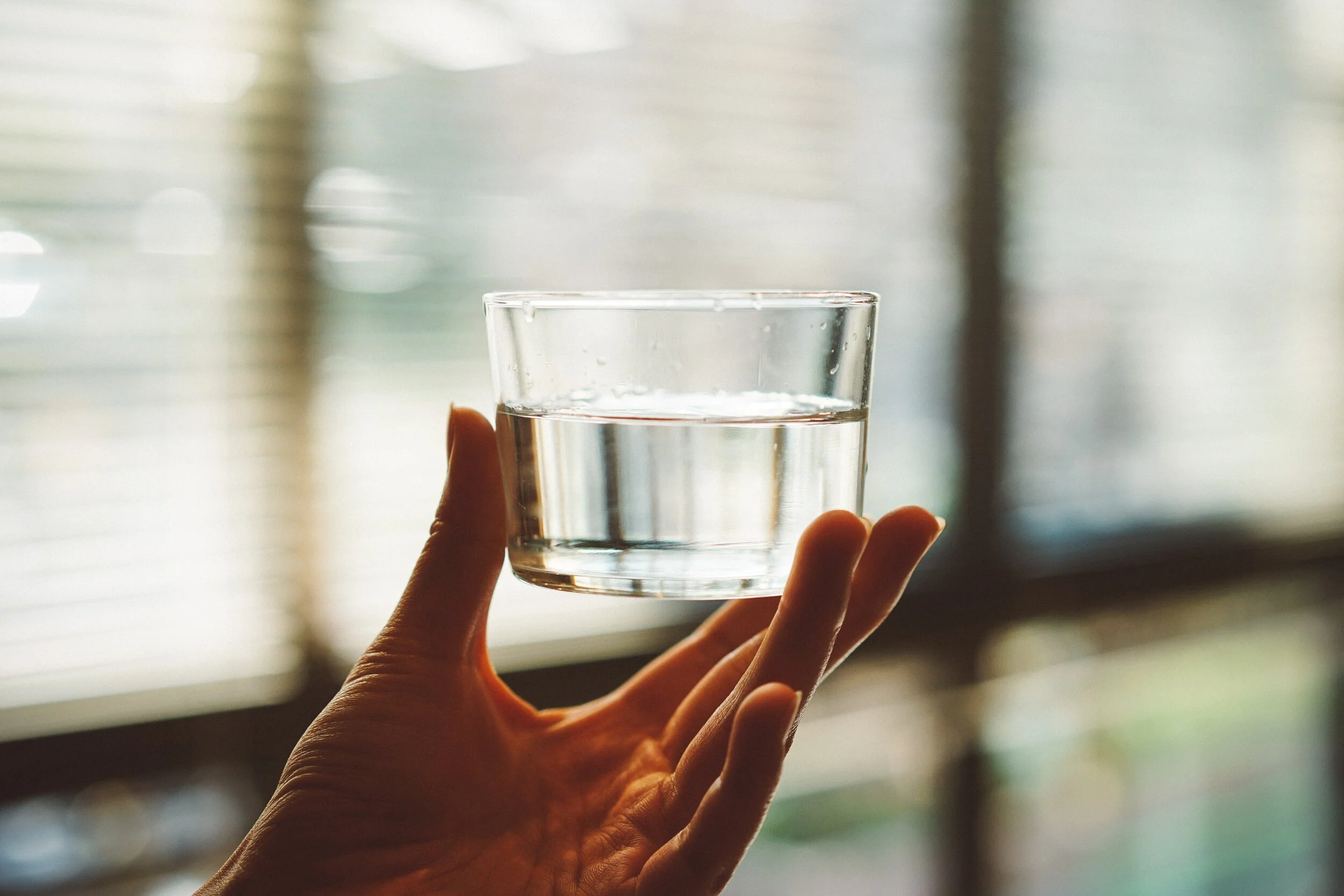
In short: Drinking plain hot water is one of the oldest and simplest health habits there is, used for centuries in Traditional Chinese Medicine and in Ayurveda. It’s warming, gentle on the stomach, calming, and an easy way to drink more through the day. Start with a cup in the morning, then sip it between meals. It costs nothing, and all you need is a kettle.
It’s a cold morning and the kitchen is still quiet. You put the kettle on, and out of habit you reach for the coffee or the tea bags. What if, just for the first cup of the day, you poured the water into your mug and left it at that?
It sounds almost too simple to be worth writing about. And that’s exactly why drinking hot water is a remedy we neglect: it’s so simple that we don’t take it seriously.
A simple and natural remedy
In Traditional Chinese Medicine as well as in Ayurveda, drinking hot water is an everyday practice. Both traditions see warmth as something that supports the body, and cold as something the body first has to deal with. The idea is this: when water arrives warm, your body doesn’t have to heat it before it can use it, so it’s taken up more easily.
These are traditions built on long observation, not laboratory tests, and they are passed on here in that spirit. You don’t have to take anyone’s word for it, though. A cup of hot water is something you can try tomorrow morning and judge for yourself.
What does hot water do for you?
In these traditions, hot water is said to support the body’s own cleansing, to get the circulation moving, to help digestion, to keep the mind clear and to calm the nervous system. Here is what that looks like in ordinary life.
It warms you from the inside. On a cold day, with cold hands and feet, you feel a cup of hot water all the way down.
It’s gentle on your digestion. Many people find that something warm first thing in the morning wakes up the stomach and bowels kindly, and helps them to stay regular.
It calms. You can’t gulp hot water. You have to hold the cup, wait and sip, and that small pause settles you in the middle of a busy day.
It helps you to drink enough. If cold water doesn’t appeal in winter, hot water is often much easier. And drinking enough shows in your energy, your concentration and your mood, as I explain in how staying hydrated helps your mood and energy.
It soothes. With a cold, a blocked nose or the first signs of a sore throat, the warmth and the steam are a comfort.
Your body has its own very good ways of clearing out what it doesn’t need: your liver, your kidneys, your bowels and your skin. Hot water doesn’t do that work for them. Drinking enough simply gives them what they need to do it well.
How do you make it a daily habit?
1. Start the day with a cup
Drink a cup of hot water in the morning, before breakfast and before your coffee or tea. Boil the water, let it cool for a few minutes and sip it slowly. It fits well into a calm morning routine, and it takes no extra time, because the kettle is on anyway.
2. Sip it through the day
Then drink it throughout the day, in small sips. A flask on your desk or on the kitchen counter keeps it warm for hours, so you don’t have to go back to the kettle each time. Traditionally it’s taken between meals and not with them.
3. Keep it plain
In these traditions, other hot drinks such as teas or herbal infusions don’t replace hot water. Once there’s a plant in the cup, your body has something to digest, and the water is taken up more slowly. That doesn’t make your herbal tea any less good for you. It only means that plain hot water has a place of its own, alongside it.
4. Give it a couple of weeks
The first cup may taste of nothing at all. After a few days, most people start to look forward to it. Notice how your stomach feels in the morning, whether you feel warmer, and whether you reach for your first coffee a little later. In the colder months it goes hand in hand with warming, seasonal food and the other small ways to take care of yourself in winter.
If you have more questions about water, how much, when, and what counts, you’ll find them answered in 18 FAQs on hydration.
I first wrote about hot water in March 2012, on a previous blog of mine. This is an updated version.
Frequently asked questions
How hot should the water be?
Hot enough to be comforting, cool enough to sip without flinching. Let boiled water stand for a few minutes before you drink it. Very hot drinks can burn your mouth and throat, and there is nothing to gain from that.
Can I add lemon, ginger or honey?
Of course, if you enjoy it. A slice of lemon or fresh ginger makes a lovely drink. In the two traditions this habit comes from, though, plain hot water has its own place, because the body has nothing to digest. You could keep the first cup of the day plain and flavour the others.
Does hot water hydrate better than cold water?
No. Water hydrates you at any temperature. The difference is in how it feels: many people find warm water gentler on an empty stomach and easier to drink when the weather is cold. Choose whichever makes you drink more.
Does hot water count towards what I drink in a day?
Yes, fully. There is no number of cups to aim for. Drink through the day, and more when it is hot or when you are active.
When should I talk to my doctor?
If you have ongoing digestive trouble, reflux that does not settle, constipation that lasts, or you are very thirsty all the time, see your doctor. Hot water is a pleasant daily habit, not a treatment. And if you have been told to limit fluids for a heart or kidney condition, follow that advice.
Would you like some help?
Simple, natural habits that fit into an ordinary day are at the heart of my group programmes in nutrition and health, such as Six Tuesdays in Montignac. If you’d like to hear when the next group opens, write to me at hello@catherinepolet.coach.
Would you rather talk things through on your own? I also coach online. Book a free 20-minute call, make yourself something warm to drink, and we’ll look at where you’d like to begin.
About Catherine
I’m Catherine Polet, a holistic nutrition health coach, yoga and autogenic training teacher for more than 30 years, author and speaker. I help people find a way of eating and living that suits their own body, online in English, French, Spanish and German, and in person in Southwest France.

