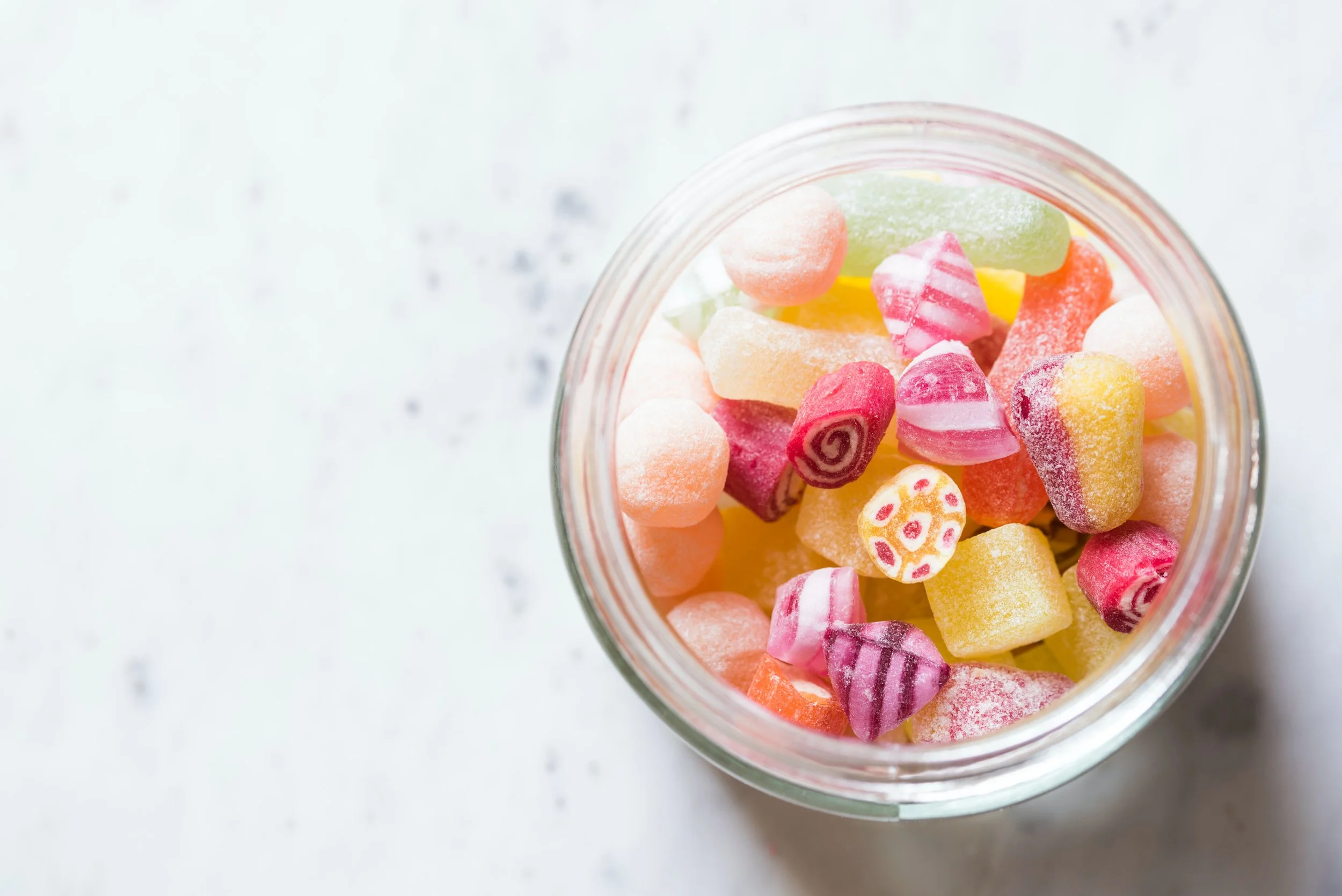
Photo by Joanna Kosinska on Unsplash
In short: Sugar cravings have very little to do with willpower. They usually come from a mix of blood sugar swings, habits your brain has learned, short sleep, stress and sometimes low mood. Once you understand what’s behind your cravings, you can calm them gently, without banning anything or feeling deprived.
It’s four o’clock, you’ve been busy all day, and suddenly the sweet tin is calling your name. Or it’s after dinner and you find yourself standing in front of the cupboard, looking for “just a little something sweet”. Sound familiar? You’re in very good company. Sugar cravings are one of the things people ask me about most.
Cravings are messages. Let’s look at what yours are telling you.
Why do we crave sugar?
Your brain loves a reward
Sugar lights up the reward system in your brain and releases feel-good chemicals like dopamine. Your brain remembers that and, over time, links sugar with certain moments: the coffee break, the end of a long day, the sofa in front of a film. Before you know it, the craving arrives on cue, even when you’re not hungry. That’s a habit, and habits can be changed. I wrote more about how cravings work in Let’s talk about cravings.
Blood sugar on a rollercoaster
When a meal or snack is mostly quick carbs (white bread, pastries, sweet drinks, a bowl of cereal) your blood sugar rises fast and then drops. That drop is exactly when the craving hits, because your body is asking for more quick energy. Meals with protein, fibre and some healthy fats release energy slowly and keep you steadier for longer. If your crash tends to arrive in the middle of the afternoon, you’ll recognise yourself in the afternoon energy dip in autumn.
Too little sleep
Even one short night changes your appetite. The hormone that makes you hungry goes up, and the one that tells you you’ve had enough goes down. And when we’re tired, the brain is far more drawn to sweet, quick-energy foods. If your cravings are worse after a bad night, that’s why. Here’s more on better sleep.
Stress and low mood
When you’re stressed, your body releases cortisol, which can increase your appetite, especially for sweet and fatty foods. Sugar also gives a quick lift in mood, so it’s natural to reach for it on a hard day. The lift doesn’t last, though, and the craving comes back. If this is you, my article on emotional eating may help. So may Comfort eating in autumn, if the pull gets stronger as the days grow shorter.
Hormones
Many women notice stronger cravings before their period, and in perimenopause and menopause, when hormones fluctuate and sleep is often disturbed. It’s real, and it’s worth being extra kind to yourself during those times. I answer many questions about this stage of life in my FAQs on nutrition in perimenopause and menopause.
What about minerals?
You may have read that cravings mean you’re low in magnesium, chromium or iron. Nobody really knows for sure. What we do know is that low iron leaves you tired, and tiredness makes cravings worse. Rather than guessing, eat a varied diet rich in leafy greens, lentils and beans, nuts, seeds and wholegrains, and ask your doctor for a blood test if you feel exhausted most of the time.
Prefer to watch? Here’s a short video where I talk about sugar cravings and what you can do about them.
How can I reduce sugar cravings naturally?
Start the day with protein
A breakfast with eggs, Greek yoghurt, nut butter or a handful of nuts helps keep your energy steadier through the morning. It’s one of the simplest changes, and many people notice it makes the afternoon calmer too. If you’re over fifty, here’s how much protein you need.
Build balanced meals
On every plate, aim for some protein, plenty of vegetables, a portion of slow carbs (wholegrains, potatoes, lentils and beans) and some healthy fats. Balanced meals mean fewer dips, and fewer dips mean fewer cravings.
Don’t skip meals
Going too long without eating is one of the most common triggers. If you know you get hungry in the afternoon, plan a snack: an apple with a few almonds, hummus with carrot sticks, or a small piece of cheese.
Drink first
Sometimes a drink is all you needed. Have a glass of water or a herbal tea and wait a few minutes. Sometimes the craving simply passes.
Protect your sleep
A regular bedtime, a darker, cooler bedroom and screens off a while before bed will do more for your cravings than any amount of willpower the next afternoon.
Find another way to unwind
If sugar is your way of coping with stress, try adding something else to your toolbox: a short walk, a call with a friend, or a few slow breaths, letting the out-breath be a little longer than the in-breath. I shared some simple practices in Breathe your way to mindfulness. Moving your body also helps: even a short walk can take the edge off a craving.
Change the habit around the food
Notice when your cravings arrive. Is it always at the same time, in the same place? Then change one small thing in that moment: take your coffee break outside, keep sweet things out of sight, or brush your teeth after dinner as a signal that the kitchen is closed.
Crowd out rather than cut out
Instead of banning sugar, which often makes you want it more, add more naturally sweet foods: fruit, sweet vegetables like carrots, squash and sweet potato, and sweet spices like cinnamon and vanilla. As your taste buds adjust, very sweet foods start to taste too sweet. It really does happen, gently, over time.
Enjoy the treat when you have it
If you do want something sweet, have it, sit down and enjoy it slowly, without guilt. A square or two of dark chocolate savoured mindfully is far more satisfying than half a packet eaten standing up.
Listen to your own body
What triggers cravings for one person may not affect another. That’s bio-individuality. Keep a simple note for a week of when your cravings come and what happened before. Patterns appear quickly, and they show you where to start.
Where do I start?
Pick one idea from this list, perhaps a protein breakfast or a glass of water before reaching for a snack, and try it for a week. Small steps, repeated, are what make the difference.
Frequently asked questions
Why do I crave sugar after meals?
Often it’s habit: your brain has learned that a meal ends with something sweet. It can also mean the meal was low in protein or fat. Try adding a little more protein, or ending the meal with a herbal tea or a piece of fruit.
Are artificial sweeteners a good alternative?
They don’t raise blood sugar, but they keep your taste for very sweet things alive, and for some people they don’t reduce cravings at all. Using them now and then is fine, but I wouldn’t rely on them in the long run.
What can I eat when I crave something sweet?
Fruit with a few nuts, Greek yoghurt with berries and cinnamon, a couple of dates with almond butter, or a square of dark chocolate. Pairing something sweet with protein or fat helps keep your blood sugar steady.
When should I talk to my doctor?
If your cravings come with extreme thirst, needing to pass water often, unexplained weight loss or constant tiredness, please see your doctor. These can be signs of blood sugar problems or other conditions that are easy to check.
Would you like some help?
Cravings are so much easier to understand when you look at them together with others, and laugh a little about the four o’clock cupboard. Calming cravings is one of the themes I love working on in my group programmes in nutrition and health, such as Six Tuesdays in Montignac. If you’d like to hear when the next group opens, write to me at hello@catherinepolet.coach.
And if your cravings feel stronger than you, you don’t have to figure it out alone. Book a free 20-minute call and we’ll look at what’s behind yours. I also coach one to one online, wherever you live.
About Catherine
I’m Catherine Polet, a holistic nutrition health coach, yoga and autogenic training teacher for more than 30 years, author and speaker. I help people find a way of eating and living that suits their own body, online in English, French, Spanish and German, and in person in Southwest France.