Iron
What is iron?
Iron is a trace element present in the body (3 to 5g in the body), but nevertheless vital.
There is a distinction between heme iron (when it is associated with the heme in hemoglobin, and found only in foods of animal origin), and non-heme iron (found in foods of plant origin, eggs and dairy products). Non-heme iron is significantly less well absorbed than heme iron (approx. 5% vs. 25%). Iron cannot be synthesized by the body and must therefore be provided through the diet.
What is its function and what are its benefits?
Iron is a vital element since it is part of the composition of hemoglobin (present in red blood cells), which is responsible for transporting oxygen to all the cells of the body. It is also a component of myoglobin (found in muscles), which stores oxygen until it is used.
It is also necessary for the production of ATP (adenosine triphosphate), which is the primary source of energy in the human body.
It plays an important role in the proper functioning of the nervous system, and thus helps maintain intellectual capacity and fight against fatigue.
It is also essential for the proper functioning of the immune system and has antioxidant properties.
Where to find it?
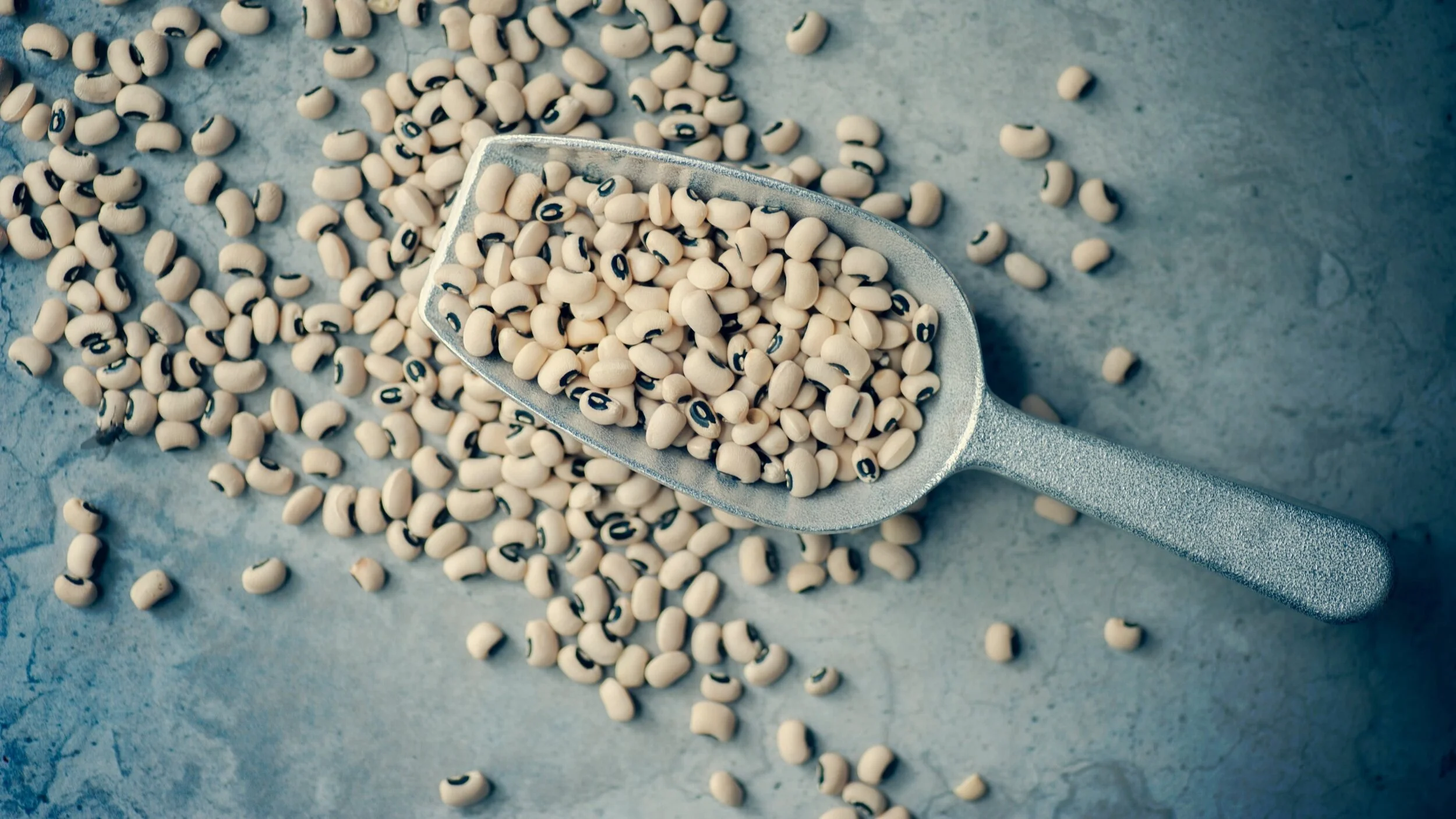
The main sources of iron are red meat, offal, black pudding and fish. Iron is also found in legumes, green vegetables, cereals, nuts, fruit, eggs and dairy products, but in a form ("non-heme" iron) that is much less well absorbed by the body.
Note that tea can inhibit the absorption of iron: it is therefore preferable to consume it outside of meals.
Deficiency and excess
Iron deficiency can lead to anemia, i.e. a low concentration of hemoglobin in the red blood cells (or iron deficiency anemia), which causes generalized fatigue. In general, the need for iron may be increased during pregnancy or growth, or when women have heavy periods. However, when iron is found in excess in the body, it can become an oxidant, which means that it produces free radicals and opposes the benefits of antioxidants.
Several studies have shown that higher iron intakes or supplies are associated with increased risks of cancer and cardiovascular disease. If you are deficient in iron, it is important to always consult your physician. Since iron deficiencies are a fairly rare occurrence in modern society, it seems relatively unnecessary, and even dangerous, to take iron supplements systematically.