

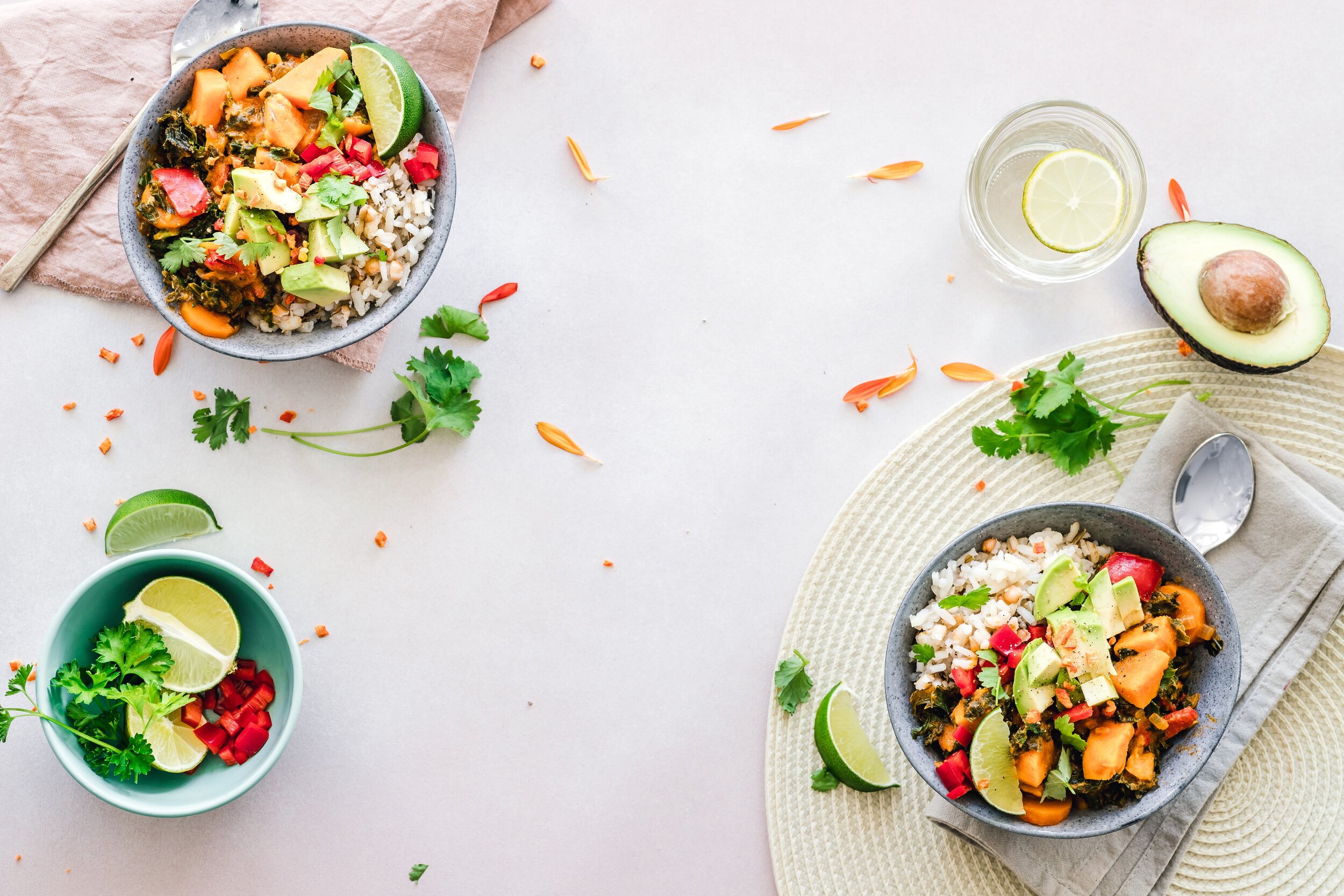
Photo by Ella Olsson on Unsplash
In short: When you eat too little, your body doesn’t simply become lighter. It slows down to protect itself, takes what it needs from your muscles, and sends out louder and louder hunger signals that usually win in the evening. After fifty especially, eating enough, with protein at every meal, plenty of plants and proper meals at the right moments, is what keeps you strong, warm, calm and full of energy.
A coffee for breakfast, because you’re not really hungry and you’re trying to be careful. A small salad at lunch: you’re “being good”. By four o’clock you’re cold, a bit irritable and so tired you can hardly think. At six you’re standing at the cupboard. At ten you go to bed feeling cross with yourself, and you promise that tomorrow you’ll be stricter. And the strange thing is that, for all that effort, nothing changes, except that you feel worse.
Does this sound like your day? It’s one of the most common patterns I see, and I want to say something that might surprise you: very often, the answer is more food, not less. More of the right food, at the right moments. No diets. Nothing fancy. Just real food. I know what it feels like to be totally lost about what to eat, and I promise you that eating well doesn’t need to be difficult or complex. In fact, it can be downright simple and fun.
Can eating too little make you tired?
Yes, and this is the first thing I look at when someone tells me they’re exhausted all the time.
Your body is wonderfully clever, and its first job is to keep you alive. When less fuel comes in than it needs, it doesn’t know you’re trying to fit into a dress for a wedding. It thinks food is scarce, and it does what bodies have always done in hard times: it saves energy. It turns the thermostat down a little, so your hands and feet are cold. It makes you less inclined to move, so you feel heavy and sluggish. It slows down repairs to hair, skin and nails. And it makes you think about food, a lot.
Many women also notice that their mood dips, their sleep gets lighter and they feel more anxious or snappy than usual. A body that doesn’t feel sure where its next meal is coming from is a body on alert, and a body on alert finds it hard to relax.
What happens to your muscles when you don’t eat enough?
This is the part that worries me most, especially for women over fifty.
When food is short, your body looks for what it needs elsewhere, and muscle is one of the places it takes from. Your muscles hold a store of protein, and in lean times your body borrows from it to keep more urgent work going. A little at a time, quietly, without you noticing.
Why does that matter so much? Because your muscles are your engine. They use energy even while you rest, they act like a sponge for sugar after a meal, they protect your joints and your balance, and they keep your bones strong by pulling on them. After fifty, and particularly after menopause, muscle is harder to rebuild than it was at thirty. So every time you go through a period of eating very little, you may lose some muscle that will take real effort to get back. That’s the opposite of what most of us want.
This is why I talk so much about feeding your muscles: enough food overall, some protein at every meal, and movement to tell your muscles to use it. I shared gentle ways to move in Let’s talk about exercise.
Why does eating less in the day lead to eating more at night?
Because hunger never really goes away. It just waits.
When you skip breakfast and eat lightly at lunch, your body keeps a little account. By late afternoon your blood sugar has dropped, and your body sends out a strong, urgent signal. It feels like a craving, and usually for something sweet, salty or creamy, because those are the fastest fuel. At that moment your willpower is at its lowest after a long day, and the call of the cupboard is at its loudest. I wrote about that late-afternoon slump in The afternoon energy dip in autumn.
So if you’re the woman at the cupboard at six, please be kind to yourself: you’re hungry. Very often the most helpful thing I can do for someone who eats too much in the evening is help them eat more earlier in the day. It sounds too simple, and yet it changes so much. If you’d like to understand the different signals your body sends, I describe seven kinds of hunger here. And if the cupboard at six feels even harder to resist once autumn arrives, there’s more on that in Comfort eating in autumn.
Why doesn’t eating less work in midlife?
I don’t work with diets or weight-loss promises, and I never will. But I understand why so many women reach for the oldest advice there is, “just eat less”, when their body starts to change in their forties and fifties. So let me explain why it so often backfires.
First, the body protects itself, as we’ve seen: it slows down, gets hungrier and borrows from muscle. Second, eating very little is a stress for your body, and stress itself makes the body hold on, especially around the middle. Third, a hungry body sleeps less well, and poor sleep makes the next day’s hunger louder still. It’s a circle, and the harder you push, the faster it turns. I explained why strict diets so often end this way in The harmful effects of crash diets on your body and mind.
What works far better, in my experience as a coach, is feeding your body properly, so it feels safe enough to let go of alert mode. A well-fed body is a calmer body. And a calmer body is much easier to live in.
How do I know if I’m eating enough?
Your body tells you, if you listen. Here are some signs that you’re probably eating enough:
Your energy is fairly steady through the day, without a deep crash in the afternoon.
Hunger arrives gently, around mealtimes, rather than all at once and urgently.
You feel warm enough most of the time.
You’re not thinking about food constantly.
You sleep reasonably well and wake up feeling you’ve rested.
Your evenings feel calm around food.
And some signs that you might not be: cold hands and feet, feeling flat or irritable in the afternoon, waking in the night, strong cravings in the evening, and food filling your thoughts. Of course, these can have other causes too, so if they last, please talk to your doctor. Learning to hear your hunger and fullness again is one of the loveliest things you can do; I wrote about it in Beyond dieting: pay attention to your body’s hunger cues.
What does “more food” actually look like?
I’m not suggesting piling up your plate with anything at all. “More food” means more of the foods that truly nourish you, at the moments your body needs them.
Here’s a day I love. For breakfast: a bowl of yoghurt with walnuts, a grated apple and some oats, or two eggs with wholegrain bread and a few cherry tomatoes. For lunch, a real meal: lentil and leek soup, a piece of goat’s cheese on toast, a green salad with olive oil. In the afternoon, if you’re hungry: an apple and a handful of almonds, or a few roasted chestnuts. In the evening: sardines or chicken with roasted squash and buckwheat, and some greens.
Each meal has some protein, plenty of plants, some healthy fats and carbs from whole foods. That combination is digested slowly, so the energy lasts for hours. It’s generous, it’s real, and it’s delicious. And it looks a little different for everyone, because your body, your day and your tastes are your own. That’s bio-individuality in practice.
What helps?
1. Eat a real breakfast
It doesn’t need to be early or large, just real, with some protein in it. Eggs, yoghurt with nuts, porridge with seeds, a piece of cheese with good bread. If you’re never hungry in the morning, start small and see how your body responds over a week or two. Overnight oats are a lovely easy option; I explained why I love them in Why I love overnight oats.
2. Make lunch a proper meal
Sit down, ideally at a table, and eat something warm and satisfying: soup with bread and cheese, a lentil salad, an omelette with vegetables. A few lettuce leaves won’t carry you through the afternoon.
3. Put some protein on every plate
About the size of your palm: eggs, yoghurt, lentils, beans, fish, chicken, tofu, cheese. Your muscles will thank you, and you’ll stay satisfied for longer.
4. Plan for the afternoon
If there’s a long gap between lunch and dinner, a small snack around four o’clock is a gift to the six o’clock version of you. Choose something that lasts: an apple with walnuts, a boiled egg, carrot sticks with hummus, a yoghurt.
5. Listen to your hunger, and answer it
When you feel gently hungry, eat. When you feel comfortably satisfied, pause. It sounds obvious, but after years of rules, many of us have to learn it again, slowly and kindly.
What doesn’t help?
Skipping meals to “save up” for later. Your body doesn’t bank it; it simply gets hungrier.
Coffee instead of breakfast. It quietens hunger for a while and leaves you running on empty.
Cutting out whole food groups without a medical reason.
Detox plans and juice cleanses. Your liver and kidneys do their cleaning work quietly every day. What they need from you is regular, nourishing meals, water and sleep.
Being hard on yourself. Self-criticism is one more stress, and stress makes everything harder.
Try this for one week
For seven days, eat three proper meals, each with some protein, and add an afternoon snack if you feel hungry.
Each evening, note three things in a little notebook: your energy at four o’clock, how the evening felt around food, and how warm you felt during the day.
At the end of the week, read your notes. Many people are surprised to find that eating more during the day makes the evenings calmer and the afternoons brighter. If you’re curious about how this fits with the changes of menopause, I wrote about how to eat when menopause hits.
Frequently asked questions
Can eating too little really make me more tired?
Yes. When your body gets less fuel than it needs, it saves energy by slowing down, which can leave you cold, flat and tired. Regular, nourishing meals usually help a great deal.
Won’t eating more make me gain weight?
Eating enough of the right foods at the right moments usually calms evening hunger and cravings, so many people find they eat more steadily overall. I don’t make weight promises, because every body is different, but a well-fed body is a calmer, stronger one.
Is it bad to skip breakfast?
Not for everyone. Some people feel fine eating later in the morning. But if you’re exhausted in the afternoon or ravenous in the evening, a breakfast with some protein is the first thing I’d try.
When should I talk to my doctor?
If you’re losing weight without trying, feel tired for weeks, feel cold all the time, or if food, eating and guilt take up a lot of your thoughts, please talk to your doctor. You deserve proper care and support.
Would you like some help?
Learning to eat enough after years of being careful can feel strange at first, and it’s so much easier with someone beside you. I run group programmes in nutrition and health, such as Six Tuesdays in Montignac, where we work on real meals, hunger and energy together. If you’d like to hear when the next group opens, write to me at hello@catherinepolet.coach.
Or let’s talk one to one, online, wherever you are. Book a free 20-minute call and tell me what a normal day of eating looks like for you. Together we’ll find what your body has been asking for.
About Catherine
I’m Catherine Polet, a holistic nutrition health coach, yoga and autogenic training teacher for more than 30 years, author and speaker. I help people find a way of eating and living that suits their own body, online in English, French, Spanish and German, and in person in Southwest France.

