

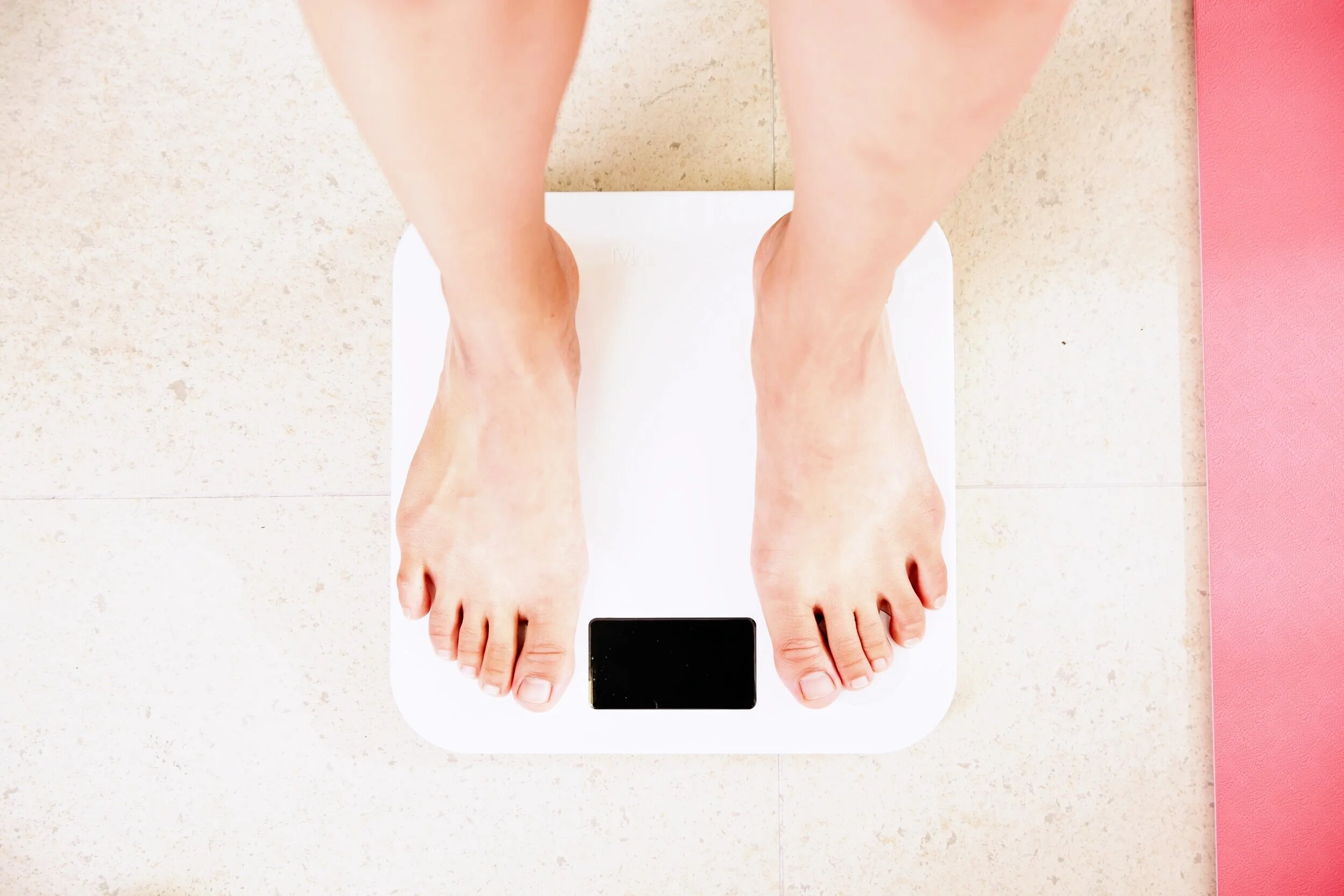
In short: I don’t believe in diets. They ask you to restrict, ignore your hunger and judge yourself by a number on the scale, and when they end, the body usually takes back what it lost. What works far better is learning to listen to your body and making changes you can happily live with for the rest of your life.
I hate hearing about diets. If you’ve been on a few yourself over the years, you know exactly what I mean.
The idea that you limit the kind of food you eat, go hungry and have a miserable time, just to see a number on a scale, seems ridiculous to me. Not to mention that diets rarely work: they’re very hard to keep up, and as soon as you stop, the weight you lost tends to come back, sometimes with a little extra.
If you’ve ever been on a diet, or know someone who has, I don’t think I’m teaching you anything new.
Diets are built around an image of the body and a standard created by society. Yet your shape or your weight says very little about how healthy you truly are. It’s such a shame that everything comes down to a number: a supposed “ideal weight” that is often completely unrealistic.
Please don’t let the number on a scale define how you feel about yourself, how confident you are, or what kind of day you’re going to have depending on whether it goes up or down.
It makes me sad to see people counting every mouthful and restricting what they eat. Life is about so much more than food or weight.
Why does dieting end up becoming an obsession?
When you’re on a diet, all you think about during the day is whether you’re hungry, when you’re going to eat next, how bad you feel about eating something you “shouldn’t” have, or why nothing seems to be changing, certainly not for the long term. Your whole day is run by your diet.
There’s no logic in changing the way you eat just to get quick results. If you’ve never eaten this way before and don’t enjoy it, there’s little point in forcing yourself for a few weeks or months. As soon as you go back to eating the way you used to, your body goes back to where it was. That simply isn’t sustainable.
What happens in your body when you diet?
Many people don’t realise that the body protects itself when it gets less food than it needs. It saves energy wherever it can: you feel colder, more tired and flatter. It takes some of what it needs from your muscles. And it holds on to its reserves, as if preparing for a famine.
Did you know that dieting also changes the messages your body sends about hunger? You feel hungrier, and it takes longer to feel full. So the longer you diet, the louder your appetite becomes, and the harder it is to stop when the diet ends. This is your body looking after you, doing exactly what it was designed to do. I explain this in more detail in The harmful effects of crash diets on your body and mind and in Why you need more food, not less.
Why is it important to listen to your body?
Because your body knows what it needs. But on a diet, it becomes very difficult to hear what it’s telling you. The rules speak louder than your hunger.
Keep in mind, too, that a diet won’t change the habits underneath. Take eating when you’re not hungry, or eating much more than you need in one go. You need to stop and think about what makes you eat this way. It could be boredom, stress, sadness or another emotion. In autumn, even the early dark can play a part, as I explain in Comfort eating in autumn. Noticing your eating habits is the first step. The second is to feel: to focus on the pleasure of food, on hunger and on satisfaction. I wrote about this in How to overcome emotional eating, and about finding your hunger signals again in Beyond dieting.
Dieting can also cause harm over time. The obsession it creates can, for some people, grow into an eating disorder, which is a serious illness that needs proper care.
If it’s about loving your body and feeling good, it makes no sense to punish yourself for eating something sweet or for not reaching a target. If you really want to be healthy and feel good about yourself, why not stop dieting, start listening to your body, and make lasting changes you actually enjoy? Your body, your story is a lovely place to begin.
So what kind of eating am I happy with?
The only “diet” I’m happy with is the original meaning of the word: the way you eat every day. It’s simply giving your body the nourishment it needs from real food. Being aware of what you eat and when you eat, and listening to your body, is all you need to feel good in your own skin.
In practice, that means regular meals that leave you satisfied, with some protein, plenty of vegetables, healthy fats and carbs you enjoy. It means no forbidden foods, so that a piece of cake is just a piece of cake. And it means that what works for you may look different from what works for your neighbour, which is what bio-individuality is all about. If you’d like to explore this further, intuitive eating is a beautiful way to learn to trust your body again.
Frequently asked questions
Why do diets fail?
Mostly because the body fights back. When it gets less food than it needs, it saves energy, turns up hunger and makes food harder to resist, and very few people can keep that up for long.
What should I do instead of dieting?
Eat regular meals of real food that leave you satisfied, listen to your hunger and fullness, and make small changes you can enjoy for life. Look after your sleep, stress and movement too, because they all affect how you eat.
Is it healthy to never diet again?
Yes. Stepping away from diets doesn’t mean giving up on your health; it means caring for it in a way that lasts, with kindness instead of punishment.
When should I talk to my doctor?
If food, weight and guilt take up a lot of your thoughts, if eating often feels out of control, or if you’re losing or gaining weight without understanding why, please talk to your doctor. Your doctor is also the right person to see if you’ve been advised to change how you eat for a health condition.
Would you like some help?
Stepping off the diet roundabout is much easier in good company. Eating well without rules is at the heart of my group programmes in nutrition and health, such as Six Tuesdays in Montignac. If you’d like to know when the next group opens, write to me at hello@catherinepolet.coach.
If you’d prefer to work one to one, I also coach online. Book a free 20-minute call, and tell me how many diets you’ve tried. I’d love to help you find a way of eating that you never need to take a break from.
About Catherine
I’m Catherine Polet, a holistic nutrition health coach, yoga and autogenic training teacher for more than 30 years, author and speaker. I help people find a way of eating and living that suits their own body, online in English, French, Spanish and German, and in person in Southwest France.

