In short: A healthy life rests on six simple ideas: bio-individuality (your body is unique), primary food (life feeds you as much as meals do), crowding out (add before you take away), being your own kind of healthy, the 90/10 balance, and eating real food. None of them is a diet, and none asks you to be perfect. Together they are the heart of how I coach.
You’re standing in the kitchen at the end of the day, wondering what to cook. A friend has stopped eating bread and says she feels wonderful. A magazine tells you to eat breakfast like a king, and a colleague swears by skipping it. You’ve tried a few of these things yourself. Some worked for a while, most didn’t last, and you’re left with the feeling that everyone else knows a rule you’ve somehow missed.
There is no missing rule. You can’t really talk about nutrition without looking at everything around it, because what’s on your plate is only ever part of the picture. Lasting health comes from the link between what you eat and how you live, and from learning to nourish your own body instead of following someone else’s rules. These are the six concepts I come back to with everyone I coach. Each one has a fuller article of its own, so think of this page as a map of the whole blog.
1. Bio-individuality: why does one way of eating not suit everyone?
Everyone is different, and that is something to be glad about. There is no single way of eating or living well that works for all of us. What leaves one person full of energy can leave another flat.
Think of two sisters at the same breakfast table. One has porridge and feels steady until lunch. The other eats the same bowl and is hungry again by mid-morning, yet does beautifully on eggs. Neither of them is doing anything wrong. Their bodies are simply asking for different things, and those needs go on changing with age, the season, how active you are and what is happening in your life.
So the real work is not to compare yourself with anyone else. It is to discover what your body needs. When you eat mostly whole foods and truly feel well on them, you have a great deal of freedom in how you put your meals together. You can read more in what bio-individuality means, and see how it plays out day to day in why your friend’s way of eating might not work for you.
2. Primary food: what feeds you apart from food?
Real health is about far more than food. You can eat all the vegetables in the world, but if you dislike your work, feel unfulfilled in your relationships, never move your body or never make time for yourself, you’ll still feel undernourished, and no meal can fix that.
I call these the primary foods: your career, your relationships, your sense of meaning, movement and the things you’re passionate about. They feed you every bit as much as what’s on your plate. What we eat comes second, which is why it is sometimes called secondary food.
You have probably felt this without having a name for it. Remember an afternoon with a friend who makes you laugh, or a day spent on something you love doing. You look up and realise you forgot all about snacking. Now think of a lonely or frustrating evening, when the biscuit tin seems to call you from the cupboard. The food didn’t change. What was feeding you did.
If this speaks to you, I’ve written about how to nurture yourself with primary foods, and two of them have articles of their own: gentle ways to move every day and simple habits for better nights.
3. Crowding out: do I have to give things up?
Most diets concentrate on what you must give up. That creates a cycle of deprivation, pressure and, sooner or later, the feeling of having failed. I’ve explained why I don’t believe in diets elsewhere.
I work the opposite way: by adding more nourishing things, not by taking things away. As they fill more of your plate and your day, they naturally crowd out the less helpful ones. There is no need to grit your teeth.
Here is what it looks like on a Tuesday evening. You don’t forbid yourself the crisps before dinner. You put a bowl of soup or a plate of raw vegetables on the table first, and you drink a glass of water while you cook. By the time you think of the crisps, you are less hungry and they matter less. Nobody took anything from you. Over time your tastes shift, your cravings settle, and balance starts to feel much easier.
Two articles go further: why you need more food, not less, and where cravings come from and what they’re telling you. And because crowding out works best when you can tell real hunger from habit, you may also like how to recognise your hunger and fullness cues.
4. Be your own kind of healthy
Have you ever quietly disagreed with how everyone around you approaches health, but said nothing because you didn’t want to stand out? Most of us want to fit in.
It happens in small ways. The whole table orders dessert and you don’t feel like one, or the opposite: everyone is being “good” and you’d love the tart. Your colleagues go running at lunchtime and you would much rather walk. Your family eats late and your body is happier eating early.
Your wellbeing is yours. I’d much rather you do the things that truly make you feel well, even if they look a little different from what the people around you do. Being yourself is more comfortable in the long run, and it tends to quietly inspire others too. Very often, someone at that table was hoping another person would go first.
5. The 90/10 balance: is there room for cake?
Here is something else that is good for you: pleasure. I believe in balance, and balance means letting go sometimes so that you can enjoy your life.
The 90/10 idea is a simple reminder. If you eat well and look after yourself most of the time, your body can happily take a slice of cake or a glass of wine the rest of the time. Please don’t measure it. It is a way of thinking, not a sum.
In practice it means that the birthday cake on Saturday is simply cake. You sit down, you enjoy every mouthful with the people you love, and on Sunday you eat as you usually do. No guilt, no making up for it, no “I’ve ruined everything, so I may as well carry on”. Healthy living was never meant to be so strict that it squeezes the joy out of your days. You deserve to relax and savour the moment.
6. Eat real food
And last, the foundation: eat whole, minimally processed food. A simple way to recognise it is to ask whether you can still see what it once was. A carrot, a lentil, an egg, a piece of fish, a handful of walnuts: yes. Something in a bright packet with a long list of ingredients you wouldn’t keep in your own kitchen: less so.
Eat with the seasons, and enjoy variety: different colours and textures, plenty of vegetables and fruit, wholegrains, a range of proteins, legumes, nuts and seeds. I’ve written about why colour on your plate matters and about eating with the seasons if you’d like ideas.
Whether you are an omnivore, vegetarian, vegan, eat the Mediterranean way, avoid gluten or mix several of these matters far less than one thing: learning to listen to your body, and giving it more or less depending on what makes you feel your best. Which brings us back to the first concept.
Where do I start? Try this today
You don’t need to work on all six at once. Choose one and try it for a week.
Bio-individuality: after lunch, notice how you feel an hour or two later. Awake or sleepy? Satisfied or looking for something sweet? Jot it down for a few days and see what your body tells you.
Primary food: ask yourself which part of your life feels hungry at the moment. Company, rest, movement, something creative? Give it half an hour this week.
Crowding out: add one thing a day. An extra vegetable at dinner, a piece of fruit in the afternoon, a glass of water on waking.
Your own kind of healthy: make one choice that suits you, even if nobody else at the table makes it.
The 90/10 balance: the next time you have a treat, sit down and enjoy it properly, then carry on as usual.
Real food: swap one packaged thing for something you prepare yourself, however simple.
Small steps, repeated, are what change the way you feel. This page is only a first look at each idea; the articles linked above take you further.
Frequently asked questions
What is bio-individuality?
It is the idea that there is no single way of eating that suits everyone. The right way of eating is the one that suits your body, your life and your tastes. It is the starting point of everything I do as a coach.
Do I have to give up the foods I love to be healthy?
No. Rather than restricting, I focus on crowding out: adding more nourishing things so the rest naturally takes up less space. The 90/10 balance leaves plenty of room for the foods you enjoy.
What is primary food?
Primary food is everything that feeds you apart from what you eat: your relationships, your work, movement, rest, a sense of meaning and the things you are passionate about. When these are going well, eating well becomes much easier.
Which of the six concepts should I start with?
Start with the one that made you nod as you read. For many people that is crowding out, because it only asks you to add something: a vegetable at lunch, a glass of water, a short walk. One small addition, repeated, is enough to begin.
When should I talk to my doctor?
Talk to your doctor before changing the way you eat if you have a medical condition, take medication, are pregnant, or have a history of difficulty with food. See your doctor too if you have lasting tiredness, digestive trouble or a change in weight that you cannot explain.
Would you like some help?
These six concepts are the ground we cover, step by step and with plenty of practice, in my group programmes in nutrition and health, such as Six Tuesdays in Montignac. If you’d like to hear when the next group opens, write to me at hello@catherinepolet.coach.
Would you rather work one to one? I also coach online. Book a free 20-minute call, and we can look together at what your own kind of healthy might be.
About Catherine
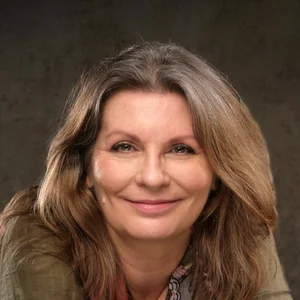
I’m Catherine Polet, a holistic nutrition health coach, yoga and autogenic training teacher for more than 30 years, author and speaker. I help people find a way of eating and living that suits their own body, online in English, French, Spanish and German, and in person in Southwest France.