

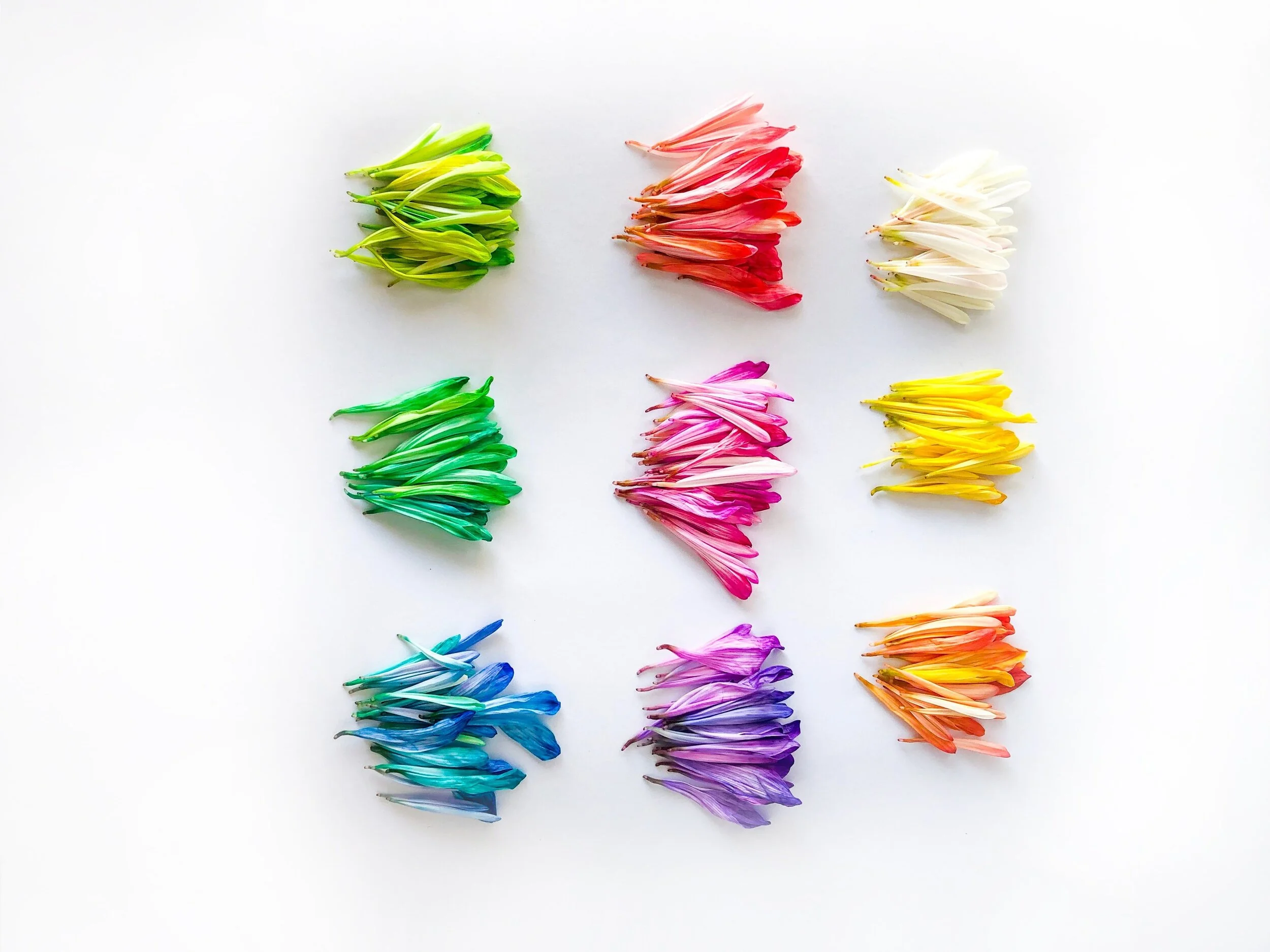
Photo by Jessica Lee on Unsplash
In short: Bio-individuality is the simple idea that every person is unique, so every person needs something a little different from their food and from their way of living. Your age, your body, how much you move, your health, your rhythm of life, your tastes and your habits all count. A few basics are true for everyone, like eating a lovely variety of fresh, seasonal food, but beyond those, the right way of eating is the one that fits you.
You read an article that says breakfast is the most important meal of the day. The next one tells you to skip it. Your sister swears by her green smoothie, your neighbour by his bread and cheese, and a magazine promises that one particular plan will finally work for everyone. You try a bit of each, and you end up more confused than when you started.
When I give talks, I’m often asked very precise questions. Should I eat fruit in the evening? Is bread bad for me? How many meals should I have? And my honest answer is very often: it depends. I know that can be frustrating. But if each of us is unique, one answer for everyone would go against the very idea I want to share with you today.
What does bio-individuality mean?
Bio-individuality means that each person is unique, and that is a wonderful thing. It also means that each person has unique nutritional needs. There’s no standard way of eating that suits everybody. The food that gives one person energy can leave another one tired or bloated, and the rhythm that suits your friend may not suit you at all.
It’s one of the founding ideas of my training as a health coach, and it’s at the heart of how I work. When I sit down with someone, I don’t bring a plan that I hand to everyone. I bring curiosity about them: their body, their days, their tastes, their history with food.
Why is there no diet that works for everyone?
Because what you need depends on so many things. Your age and whether you’re a man or a woman. Your body type. How much you move. Any health issues you live with. And, above all, your usual rhythm of life, your tastes and your habits.
That last part is the one most plans forget. A way of eating can look perfect on paper and still fail, simply because it doesn’t fit the life you actually live. Here’s an easy example: don’t ask an Italian to never eat pizza or pasta again. It would be a guaranteed failure. Do you know what I mean? The same is true for your morning croissant, your Sunday roast or your glass of wine with friends. I explain why strict plans so rarely last in Let’s talk about diets.
So in my coaching, I start from what you love and how you live, and we build from there. A change that respects your life is a change you can keep.
Is anything true for everyone?
Yes, a few basics. And the main one is beautifully simple: vary and balance what you eat, so your body gets a wide range of nutrients.
Each food has its own gifts, far beyond the energy it brings. Protein, carbs and healthy fats each do their own work, and so do the vitamins and minerals hiding in a leek, a handful of walnuts or a plate of lentils. Your body needs the whole orchestra to play well, and no single food can play every instrument.
Here’s how I suggest making variety easy and enjoyable:
Vary your meals through the day.
Eat the rainbow. Fruit and vegetables of different colours bring different nutrients. I wrote about this in Colour your plate with nutrients.
Change your basket from week to week. It’s so easy to buy the same few things every time. Try one new vegetable, a different grain, another kind of bean.
Choose seasonal fruit and vegetables first. They taste better, they’re kinder to your purse, and they’re kinder to the planet too. You’ll find ideas for this time of year in Eating with the seasons.
Cook from fresh, simple ingredients as often as you can, and choose organic when it’s possible for you.
Is bio-individuality only about food?
Not at all, and this is the part I find most interesting. In the same way that your body is unique, your state of mind changes from day to day. Your work, your home life, your relationships, how much you move and how well you sleep all have a direct effect on how you feel. And how you feel has a direct effect on how you eat.
A stressful week can mean forgetting lunch and then eating everything in sight in the evening. A lonely Sunday can mean grazing all afternoon. That’s simply life showing up on your plate, and there’s no need to blame yourself for it.
So when I think about bio-individuality, I always look at the whole person. The key is to find a balance between what we eat for our bodies and what we eat to feel good. Both matter.
How do you find out what your body needs?
It may sound complicated at first. In reality, it’s a matter of going back to basics: listening to your body and your feelings. How hungry are you, really? How do you feel an hour after a meal, light and steady, or heavy and sleepy?
Your body sends you these messages all day long. I wrote about learning to hear them in Beyond dieting: pay attention to your body’s hunger cues, and about trusting them again in What is intuitive eating?. If you’d like a step-by-step way to explore your own needs, I share a simple two-week food and mood experiment in Bio-individuality in practice: why your friend’s diet might not work for you.
What helps?
1. Start from what you love
Make a list of the foods and meals you really enjoy. That’s your foundation. We can always add vegetables to a pasta dish or a piece of fruit to a breakfast; taking away what brings you joy rarely works for long.
2. Ask one question after meals
An hour or so after eating, ask yourself: how do I feel now? Your answer is information, never a judgement.
3. Add before you take away
Add one colour, one new vegetable, one more home-cooked meal a week. Very often, the things that suit you less simply take up less room on their own.
What doesn’t help?
Copying someone else’s plan. It was made for their body and their life.
Looking for one perfect answer. Your needs change with the seasons, your age and your life.
Banning foods you love. It usually makes you want them more.
Try this for one week
Keep a little notebook by your plate. After each main meal, write three words about how you feel an hour later: your energy, your hunger, your mood. Nothing else, and no marks out of ten.
At the end of the week, read your notes with a cup of tea. Is there a meal that always leaves you steady and content? Another that leaves you sleepy or hungry again quickly? That’s your body, talking to you in its own language.
Frequently asked questions
What does bio-individuality mean in simple words?
It means that each person is unique, so each person has different needs when it comes to food and lifestyle. The best way of eating is the one that suits your body and your life.
Are there any food rules that apply to everyone?
A few basics suit almost everyone: eat a wide variety of foods, plenty of colourful fruit and vegetables, seasonal and fresh whenever you can. Beyond those, what suits you depends on you.
Is bio-individuality the same as intuitive eating?
They’re close cousins. Bio-individuality is about your unique needs, and intuitive eating is about learning to trust your body’s signals so you can meet those needs.
When should I talk to my doctor?
If you have ongoing digestive trouble, pain, unexplained tiredness or weight changes, or if you think a food doesn’t agree with you, please see your doctor before cutting anything out. The same goes if you take medication or live with a health condition that food might affect.
Would you like some help?
Finding what suits your own body is so much easier with someone beside you, and it’s also lovely to see, in a group, how differently each person answers the same questions. I run group programmes in nutrition and health, such as Six Tuesdays in Montignac. If you’d like to hear when the next group opens, write to me at hello@catherinepolet.coach.
If you’d rather look at your own way of eating one to one, online, book a free 20-minute call with me. I’d love to hear about your days, your tastes and what you’d like to feel, and to help you find the tools that suit you.
About Catherine
I’m Catherine Polet, a holistic nutrition health coach, yoga and autogenic training teacher for more than 30 years, author and speaker. I help people find a way of eating and living that suits their own body, online in English, French, Spanish and German, and in person in Southwest France.

