

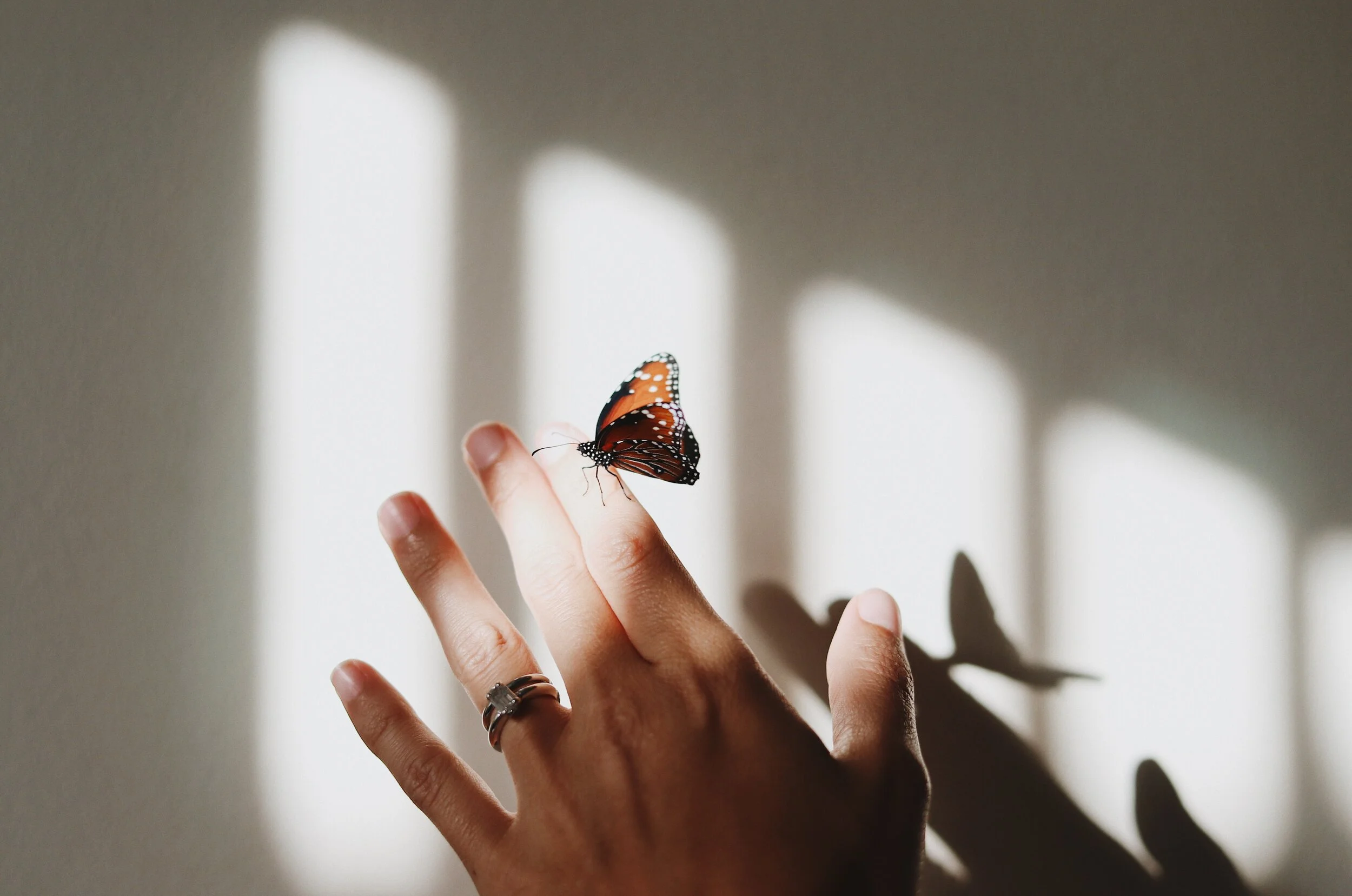
Photo by Amy Humphries on Unsplash
In short: If you want happiness, stop looking for it. The more you chase it and measure it, the more it slips away. Happiness comes as a by-product: of being absorbed in something you love, of small pleasures that return often, and of doing things with and for other people. Change your actions, not your circumstances.
It’s a perfectly pleasant Sunday. You’re in the garden with a book, the sun is out, nobody needs anything from you. And then the thought arrives: am I happy? Shouldn’t I be happier than this? Other people seem to be. In a few seconds, the pleasant afternoon has turned into an examination, and you’re failing it.
As we struggle through our days, the wish for happiness is strong. Yet the search itself is very often what stops us finding it. Chasing happiness can even be a recipe for misery: the more value we place on being happy, the less happy we tend to feel.
Why does chasing happiness make it harder to find?
When you pursue happiness, your aim is to feel more joy and contentment. To know whether you’re getting anywhere, you have to compare how happy you were before with how happy you are now. And there lies the problem: the moment you make that comparison, you stop experiencing your life and start evaluating it.
The opposite of evaluating is flow. Flow is a state of complete absorption in what you’re doing. Think of the last time you couldn’t put a novel down, or played a sport you love, or sat with a good friend you hadn’t seen for years. You were so immersed that you lost track of time and of the outside world. You weren’t asking yourself whether you were happy. You were too busy living.
Many people are so focused on finding happiness that, by chasing it, they chase it away. Here are four ways we do that, and the secret hidden in each of them.
The four secrets
1. Stop looking for happiness everywhere, and let yourself be absorbed
People in flow don’t notice their happiness, because they’re concentrating on the activity or the conversation. It’s only afterwards that they describe it as one of the best feelings they know. When you look everywhere for happiness, you disturb your own ability to get into flow. You keep stepping out of the moment to check on it.
It can become a vicious circle. You feel low, so your daily activities seem less enjoyable. You brood over why they aren’t more fun, and the brooding pulls your mood down further. The way out isn’t to think harder about it. It’s to do something that takes your full attention: knead bread, weed a border, play the piano, walk fast up a hill.
2. Don’t expect your circumstances to do it for you
We tend to overestimate how much the big events of life will change how we feel. We believe that the right partner or a major promotion will make us happier for good. For a while it does. Then we adapt, and the new situation becomes ordinary life. Even winning the lottery doesn’t seem to bring lasting gains in happiness.
That may sound discouraging. In fact, it is freeing. If your happiness doesn’t depend on the new kitchen or the next promotion, you don’t have to wait for them. What you do with your Tuesday matters more than what you own. This is close to what I explore in joy and happiness: two sides of the same coin?
3. Don’t pursue happiness alone
Happiness is something each of us feels inside, so when we go looking for it, it’s natural to turn towards ourselves. Yet too much attention on ourselves wears happiness down and weighs on our mood. The more importance people attach to their own happiness, the lonelier they tend to feel as the days go by.
So turn outwards. Ring someone. Help a neighbour carry the shopping. Cook for a friend who is having a hard week. The quiet satisfaction of being useful to somebody is one of the most reliable sources of contentment there is. You’ll find more on this in why small acts of kindness make such a difference and in the power of friendship.
4. Look for frequent small joys, not intense ones
When we want to be happy, we look for strong emotions: excitement, enthusiasm, elation. Unfortunately, that isn’t the best road. Happiness depends on how often you feel good, not on how intensely.
When you aim for the heights, you measure everything else against a higher standard, and disappointment comes easily. A very intense experience even makes ordinary pleasures look paler by comparison. Once you’ve won the lottery, it’s hard to delight in finding a parking space or winning a game of cards.
A good day isn’t a firework. It’s a string of small lights: the first sip of tea, a joke at the baker’s, clean sheets, a blackbird in the evening. Gratitude helps you notice them, and so does telling people what you appreciate about them.
What helps instead?
Stop taking the temperature of your happiness every day, and stop waiting for the job of your dreams. Look for flow, and feel the daily satisfaction of helping others. Change your actions, not your circumstances. Here are a few ways to start today:
Choose one absorbing activity and give it half an hour with your phone in another room. Something you enjoy that asks a little effort of you is ideal.
Do one thing for someone else before the day ends: a message, a lift, a bowl of soup, ten minutes of real listening.
Collect small pleasures. In the evening, think back over three moments that felt good, however ordinary.
Catch yourself evaluating. When the question “am I happy enough?” arrives, smile at it and go back to what you were doing.
Put people in your week. A walk with a friend, a meal with family. Happy relationships feed you as much as what is on your plate.
“Those only are happy who have their minds fixed on some object other than their own happiness.” John Stuart Mill
The best things in life can only be pursued indirectly. If you really want to feel joy or meaning, turn your attention away from joy and meaning, and towards the projects and relationships that bring them as by-products.
Frequently asked questions
Is it wrong to want to be happy?
Not at all. Wanting to be happy is human. The trouble starts when you chase happiness directly and keep checking whether you have it yet. Give your attention to people and projects you care about, and happiness tends to follow.
What is flow?
Flow is the state of being completely absorbed in what you are doing: a book, a sport you love, a conversation with a good friend. You lose track of time and of the outside world, and afterwards you realise how good it felt.
How do I find flow in an ordinary day?
Choose an activity you enjoy that asks something of you, put your phone in another room, and give it your whole attention for a while. Cooking, gardening, playing music, walking and real conversation are all good doors into flow.
Why did getting what I wanted not make me happier for long?
Because we get used to new circumstances very quickly. The new job, the new house or the win soon becomes normal life. What you do each day counts for more than what you have.
When should I talk to my doctor?
If you have felt low, empty or without interest in things for a couple of weeks or more, or if it is affecting your sleep, your appetite or your daily life, please talk to your doctor. A lasting low mood needs proper care, and no article can replace that.
Would you like some help?
Feeling good day after day has a lot to do with small habits: how you eat, move, rest and spend time with others. That is what we work on in my group programmes in nutrition and health, such as Six Tuesdays in Montignac. If you’d like to hear when the next group opens, write to me at hello@catherinepolet.coach.
Would you rather work one to one? I also coach online. Book a free 20-minute call, and we’ll look together at what already gives you those small good moments, and how to have them more often.
About Catherine
I’m Catherine Polet, a holistic nutrition health coach, yoga and autogenic training teacher for more than 30 years, author and speaker. I help people find a way of eating and living that suits their own body, online in English, French, Spanish and German, and in person in Southwest France.

