

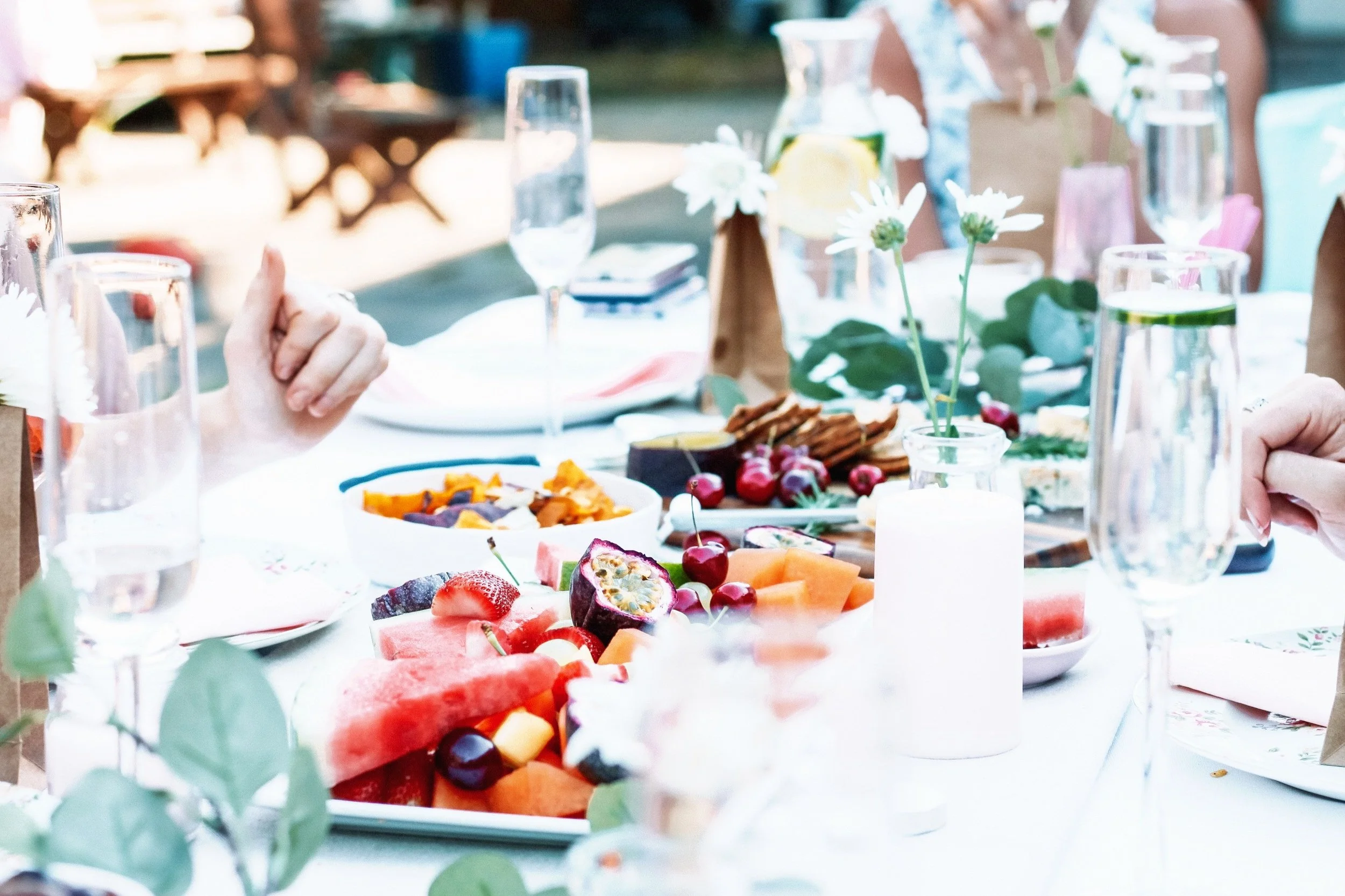
Photo by Maddi Bazzocco on Unsplash
In short: Healthy eating becomes simple when you stop trying to do everything at once. Add before you take away: more vegetables, enough protein, some healthy fats, water through the day. Plan a few meals for the week, shop with a list, and cook food you really enjoy. Aim for progress, and leave perfection to one side.
It’s half past six, you’ve just come in, and you open the fridge. Half a courgette, a pot of yoghurt, some cheese, a jar of something you don’t remember buying. You’d promised yourself you would eat better this week. You close the fridge, open the cupboard, and dinner turns out to be toast and whatever was nearest. Tomorrow, you say.
If that’s a familiar evening, please don’t conclude that you lack willpower. What’s missing is usually a simple way of doing things, one that still works when you’re tired. Healthy eating can feel daunting when you look at it as one big project. Taken one small step at a time, it becomes easy, and enjoyable too.
Where do you start?
Start small, and start with something you can picture. “Eat better” is too vague to act on. “A vegetable with my evening meal” or “fruit in the afternoon where I used to have biscuits” is something you can do today. Small changes in what you eat add up to big improvements in your health over time.
Choose one goal. Write it down, and put it where you’ll see it: on the fridge door, next to the kettle, in your diary. When it has become normal, which often takes a couple of weeks, choose the next one. If you’d like to understand why this slow way works so much better than a fresh start every Monday, I wrote about it in why change is hard, and how to make healthy habits stick.
What should be on your plate?
Your body needs protein, carbs, healthy fats, vitamins and minerals, and you get all of them from ordinary, whole foods. A plate that works for most people, most days, looks like this:
Half vegetables, cooked or raw, as many colours as you can manage over the week. I explain why colour matters in why eating a rainbow matters.
A quarter protein: fish, eggs, chicken, lentils, chickpeas, beans, tofu.
A quarter whole grains or other carbs: brown rice, wholegrain pasta or bread, oats, quinoa, potatoes.
A little healthy fat: olive oil, a few nuts or seeds, some avocado.
That’s all there is to it. No weighing, no counting.
Add before you take away
Healthy eating has nothing to do with deprivation or restriction. It’s about giving your body what it needs to thrive. So think first about what you can add: vegetables at every meal, a piece of fruit when you’d usually reach for a packet, lentils or beans a couple of times a week. When there’s more good food on your plate, there is simply less room, and less appetite, for the rest. This is why most of us need more food, not less.
What does a simple week of meals look like?
Planning is what makes the half-past-six moment easy. You don’t need a chart with every meal filled in. Take ten minutes at the weekend, choose four or five evening meals, write your shopping list from them, and leave the other evenings for leftovers or something from the freezer. A week could look like this:
Monday: a big vegetable soup with lentils, and wholegrain bread. Make double.
Tuesday: a tray in the oven: salmon or chicken, with whatever vegetables are in season, olive oil and herbs.
Wednesday: Monday’s soup, with a slice of cheese or a boiled egg on the side.
Thursday: an omelette with mushrooms or spinach, and a green salad.
Friday: wholegrain pasta with a tomato and vegetable sauce, and a handful of chickpeas stirred in.
Weekend: one meal you take your time over, and one that uses up what’s left in the fridge.
Breakfast and lunch can be the same two or three things in rotation: porridge or overnight oats with fruit and nuts, eggs on toast, yoghurt with seeds, and for lunch a salad built on last night’s leftovers. Nobody minds a little repetition during the week.
For the shopping itself, most of what you need is around the edges of the supermarket, where the fresh food is, or at the market. Buy what’s in season: it’s cheaper and it tastes of something. Cook a bit more than you need and freeze the rest. There’s more on this in how to simplify your grocery shopping, and when you do buy something in a packet, how to decode product labels shows you what to look for.
How do you make healthy food delicious?
If healthy food feels like a punishment, you won’t keep eating it, and why should you? Flavour is what keeps you going.
Use herbs and spices generously. Cumin on roasted carrots, fresh parsley on almost anything, a squeeze of lemon at the end. They change a plain dish completely.
Try one new recipe a week. One is enough to stop you getting bored. You’ll find ideas among my easy, healthy recipes.
Change the way you cook a vegetable. If you only know boiled cauliflower, roast it in the oven with olive oil until the edges turn golden.
Make easy swaps. Greek yoghurt where you’d use sour cream, brown rice for white, wholegrain bread for white.
What else helps?
Eat with attention
Sit down, put your phone away, turn off the television, and eat slowly enough to taste your food. You’ll notice when you’re hungry and when you’ve had enough, and you’ll enjoy your meal far more. If you’d like to practise, read how to recognise your body’s hunger and fullness cues.
Drink enough water
Thirst often feels like hunger or tiredness. Keep a glass or a bottle of water where you can see it and drink through the day. Herbal tea and sparkling water count as well.
Eating out
A meal in a restaurant is a pleasure, so enjoy it. If you eat out often, a few habits help: choose grilled or roasted dishes more often than fried ones, ask for the sauce or dressing on the side, and ask whether you can have a salad or vegetables with your dish. Most kitchens are happy to do it.
Find your people
The hardest part of healthy eating is keeping it up when life gets busy or when the old habits call. It’s much easier with company: a friend who’s doing the same, someone at home who cooks with you, a group. Having people who encourage you, and who notice when you go quiet, makes all the difference.
What if it doesn’t work for you the way it works for others?
Then you’re perfectly normal. We’re all different, and what suits your sister or your neighbour may not suit you. Perhaps you feel best with a big breakfast and a light supper. Perhaps you do better with three meals and nothing in between, or with a snack in the afternoon. Try things out, notice how you feel afterwards, and trust what your body tells you. This is called bio-individuality.
You may also notice that eating well does something for your mood. A body that is properly fed, with plenty of vegetables, fruit, whole grains and protein, tends to carry a steadier, brighter mind.
And please celebrate what you’ve done. Healthy eating is never finished, and it doesn’t need to be perfect. Look at your progress. Give yourself credit for the small things: the lunch you took to work, the vegetable you’d never cooked before. Treat yourself to a good meal at your favourite restaurant, or a new kitchen tool that makes cooking easier, and take a moment to see how far you’ve come.
Frequently asked questions
Where do I start if my eating habits feel like a mess?
With one small thing you can add, such as a vegetable with your evening meal or a proper breakfast. Keep to it for two weeks, then add the next one. Small changes that last do far more for you than a big plan that is over by Friday.
Do I have to give up the foods I love?
No. Healthy eating is about feeding your body well, and there is room in it for cake at a birthday and chips by the sea. When most of your meals are simple and nourishing, the treats find their natural place.
Is healthy eating expensive?
It does not have to be. Seasonal vegetables, eggs, tinned fish, dried or tinned beans and lentils, oats and brown rice are among the cheapest foods in the shop. Cooking a little extra and freezing it saves money as well as time.
What if I have no time to cook?
Then keep it very simple. An omelette with a salad, a tray of vegetables and fish in the oven, or a soup made on Sunday that lasts three days are all real meals. Frozen vegetables and tinned beans are a great help on busy evenings.
When should I talk to my doctor?
Before you change the way you eat if you have a health condition, take medication, are pregnant, or have ever had a difficult relationship with food. See your doctor too if you are losing or gaining weight without knowing why, or if tiredness or digestive trouble does not go away.
Would you like some help?
Making everyday meals simple, and finding the way of eating that suits you, is at the heart of my group programmes in nutrition and health, such as Six Tuesdays in Montignac. If you’d like to know when the next group opens, send me a few lines at hello@catherinepolet.coach.
Would you rather work one to one? I also coach online. Book a free 20-minute call, and tell me what your half-past-six moment looks like. We’ll find the first small step together.
About Catherine
I’m Catherine Polet, a holistic nutrition health coach, yoga and autogenic training teacher for more than 30 years, author and speaker. I help people find a way of eating and living that suits their own body, online in English, French, Spanish and German, and in person in Southwest France.

