

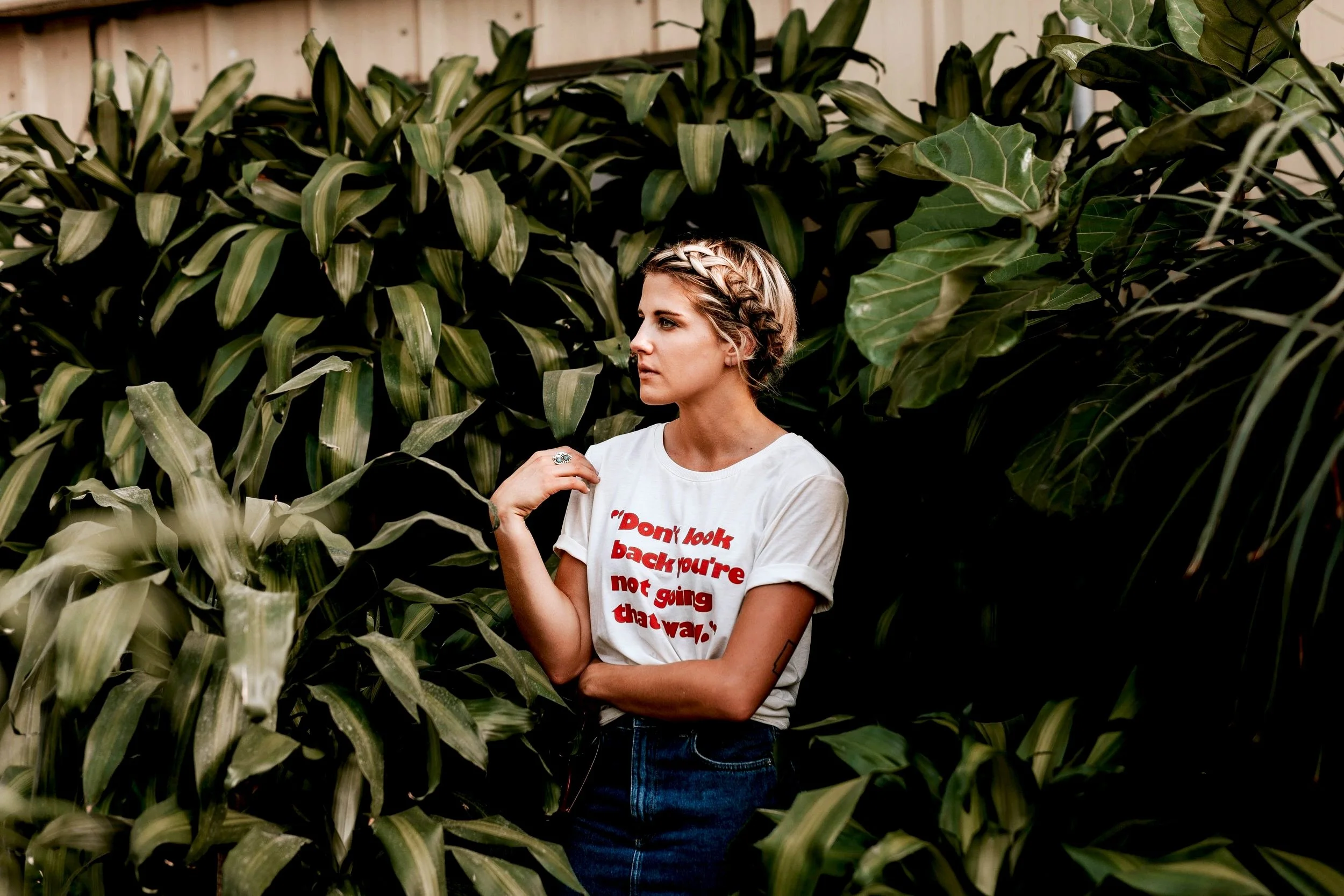
Photo by Brooke Cagle on Unsplash
In short: Healthy habits are the small things you do again and again that help your body and mind feel well: how you eat, move, sleep and handle stress. They work best when you start very small, choose habits you actually enjoy, hang them on things you already do and treat slips with kindness rather than guilt. Here are the eighteen questions I hear most often, with practical answers.
Perhaps you’ve started over more times than you can count. A new plan on Monday, a burst of good intentions, and by the following week life has taken over again. Or perhaps you simply don’t know where to begin, because there’s so much advice out there and half of it contradicts the other half.
When I work with someone, I never start with a list of rules. I start with their life: their mornings and evenings, their energy, what they enjoy, what gets in the way. Healthy habits only last when they fit the person, and every person is different. So take these answers as ideas to try, and keep what works for you.
What are healthy habits?
They’re the small actions you repeat, often without thinking, that support your physical, mental and emotional health. Eating regular, nourishing meals. Moving your body. Going to bed at a reasonable time. Taking a few slow breaths when the day gets tense. Seeing people you love. On their own, each one looks modest. Repeated day after day, they shape how you feel far more than any big effort made once in a while.
Why do healthy habits matter so much?
Because your body is shaped by what you do most of the time. One salad doesn’t make you healthy, and one slice of cake doesn’t make you unhealthy. What matters is the rhythm of your days. Good habits give you steadier energy, a calmer mood, better sleep and a body that feels more like home. They also free you from having to decide everything from scratch every day, which is restful in itself.
How many new habits should I start with?
One, or two at the most. When we change everything at once, we usually keep it up for a few days and then drop it all. One small habit that you keep is worth far more than ten you abandon.
How do I start a new healthy habit?
Make it so small that it feels almost too easy. Instead of “I’ll walk every day for an hour”, try “I’ll walk to the end of the road after lunch”. Instead of “I’ll eat more vegetables”, try “I’ll add a handful of greens to my lunch”.
Then choose exactly when you’ll do it, and hang it on something you already do every day. “When I put the kettle on in the morning, I drink a glass of water.” “After lunch, I put my coat on and walk for a few minutes.” The old habit becomes the reminder, so you don’t have to rely on your memory or your willpower. I explain why this works so well in Why change is hard, and how to make healthy habits stick.
How can I make healthy habits stick?
Know your why. A reason that truly matters to you, such as more energy for your grandchildren or feeling at ease in your body, carries you through the days when motivation is low.
Choose habits you enjoy. If you hate running, don’t run. Dance, swim, garden, walk with a friend.
Keep them visible. The fruit bowl on the table, the walking shoes by the door, the water glass by the kettle.
Tick them off. A little mark in your diary each day is surprisingly satisfying.
Share them. Telling a friend, or doing it together, makes it much easier to keep going.
What’s the best time of day to build a new habit?
The time that suits your life and your energy. Many people find mornings easiest, before the day takes over, while others do better in the evening. What matters most is doing it at the same time and in the same place, so it becomes automatic.
If you’d like a gentle start to the day, I share my favourite morning habits in Rise and shine: the power of a morning routine.
Why does sleep matter so much for my other habits?
Because when you’re tired, everything is harder. Food becomes more tempting, especially sweet and salty food. The part of you that pauses and chooses wisely goes quiet. You have less energy to move, less patience, and stress feels bigger. So if you’re struggling with every other habit, look at your sleep first. Very often, an earlier bedtime makes the rest fall into place.
What helps me sleep better?
Going to bed and getting up at roughly the same time every day, weekends included.
Daylight on your face in the morning, which helps you feel sleepy at the right time at night.
An early, nourishing dinner, and caffeine kept to the morning.
A calm last hour: softer lights, the phone put away, your worries written down on paper.
A cool, dark, quiet bedroom.
I describe a whole gentle evening in The power of an evening routine.
What does a balanced way of eating look like?
There’s no single perfect way of eating, and no food you have to give up for ever. But most people feel better when their meals include:
Plenty of vegetables and fruit, in as many colours as you can.
Some protein at every meal: eggs, lentils, beans, fish, yoghurt, cheese, meat.
Healthy fats, such as olive oil, walnuts, seeds and oily fish.
Carbs from whole foods: wholegrain bread, potatoes, buckwheat, oats, rice.
Water through the day.
Eat at fairly regular times, sitting down when you can, and enjoy your food. Cooking simple meals from fresh ingredients most of the time is one of the kindest things you can do for your body. You’ll find lots of ideas in Colour your plate: the power of eating a rainbow, and recipes on my recipes page.
How do I fit movement into a busy day?
Think of movement as something you sprinkle through your day, rather than one big session you have to find time for. A short walk after meals. The stairs instead of the lift. A few squats while the kettle boils. Stretching while the soup simmers. Gardening, dancing in the kitchen, cycling to the shops.
If you can, add something a couple of times a week that makes your muscles work a bit harder, because strong muscles become more and more important as we get older. And find what you enjoy, because that’s what you’ll keep doing. I wrote more in Let’s talk about exercise.
How can I manage stress day to day?
Breathe slowly for a few minutes, letting the out-breath be a little longer than the in-breath. It’s a quiet signal to your body that it’s safe.
Move, ideally outside. Movement is how your body uses up the tension it has gathered.
Protect a few small things that keep you steady, such as lunch sitting down, a walk or a call with a friend.
Go gently with caffeine and alcohol, which can make stress and sleep worse.
Learn a relaxation method that suits you. Yoga and autogenic training, which I teach, are both wonderful.
I wrote about protecting what keeps you steady in Non-negotiables to keep stress at bay.
How do I stay motivated when the first excitement fades?
Expect it to fade, because it always does, and plan for it. Come back to your why, keep your habit small enough to do on a bad day, and notice how much better you feel when you keep it.
What gets in the way, and what can I do about it?
The usual obstacles are lack of time, tiredness, stress, other people’s habits and the all-or-nothing voice that says “I’ve slipped, so I might as well give up”.
Lack of time: make the habit smaller, and hang it on something you already do.
Tiredness: look at your sleep first.
Stress: give your body a few moments of calm each day, so food isn’t the only way to unwind. If the pull towards food grows as the days get shorter, I wrote about that in Comfort eating in autumn.
Other people: share what you’re doing and why, and invite them along if they’d like to join you.
All-or-nothing thinking: a missed day is simply a missed day. Start again at the next meal or the next morning.
And if you keep slipping back, you’re completely normal. Nobody changes in a straight line. The people who succeed are rarely the ones who never slip; they’re the ones who start again quickly and kindly.
Harsh words after a slip only add stress, and stress makes the old habits stronger. Speak to yourself the way you’d speak to a friend: “That was a hard week. What would help me tomorrow?” I wrote more about this in Why self-compassion is key to a fulfilling life.
How do I make healthy habits a way of life rather than a phase?
Stop thinking of them as a plan with an end date. A plan says “for the next few weeks I’ll be good”. A way of life says “this is simply how I look after myself”. Choose habits you could imagine keeping for years, that fit your real days, that you enjoy. Let them grow slowly, one at a time. And let them change with you, because what suits you at fifty may not be what suits you at seventy.
How can I make healthy habits more enjoyable?
Look for pleasure in them. Try a new recipe with seasonal vegetables from the market. Walk somewhere beautiful. Dance to music you love. Take up yoga, swimming or a walking group. Cook with a friend. When a habit brings you joy, you don’t need to push yourself, because you look forward to it.
How do I bring my family or friends along?
Gently, and without preaching. Cook a meal together and let everyone choose a vegetable. Suggest a walk after Sunday lunch. Have a bowl of fruit and a jug of water on the table. People rarely change because they’re told to; they change because they see someone they love enjoying it. And doing things together is so much easier than doing them alone, which is one reason I love working with groups. I explain why in Why group coaching works.
How do I keep my habits at work, on holiday and when I travel?
Keep the essentials, and let the rest be flexible. Pack a reusable water bottle and a few snacks that last, like nuts, an apple or oatcakes. Walk wherever you can, and explore new places on foot. Take your breathing practice with you; it needs no equipment. At work, take a proper lunch break away from the screen, and get up and move every so often. And on holiday, enjoy the local food with pleasure. Your habits will be waiting for you when you get home.
When should I talk to my doctor?
If you have a health condition or take medication and want to make a big change to your eating or start a new kind of exercise, please talk to your doctor first. The same goes if you feel exhausted or low for weeks, or if food feels out of your control.
Try this for one week
Choose one habit from this page. Just one. Make it small, decide exactly when you’ll do it, and hang it on something you already do every day. Each evening, put a tick in your diary if you did it. If you missed a day, start again the next morning, without any drama. At the end of the week, notice how you feel, and decide whether to keep going with the same habit or add a second one.
Would you like some help?
Healthy habits are so much easier to build in good company, with someone who helps you choose the right first step for your body and your life. That’s exactly what I do in my group programmes in nutrition and health, such as Six Tuesdays in Montignac, where we work on habits like these together, week by week. If you’d like to hear when the next group opens, write to me at hello@catherinepolet.coach.
Would you rather work one to one? I also coach online. Book a free 20-minute call, tell me which habit you’d love to build, and we’ll find the easiest way in.
About Catherine
I’m Catherine Polet, a holistic nutrition health coach, yoga and autogenic training teacher for more than 30 years, author and speaker. I help people find a way of eating and living that suits their own body, online in English, French, Spanish and German, and in person in Southwest France.

