

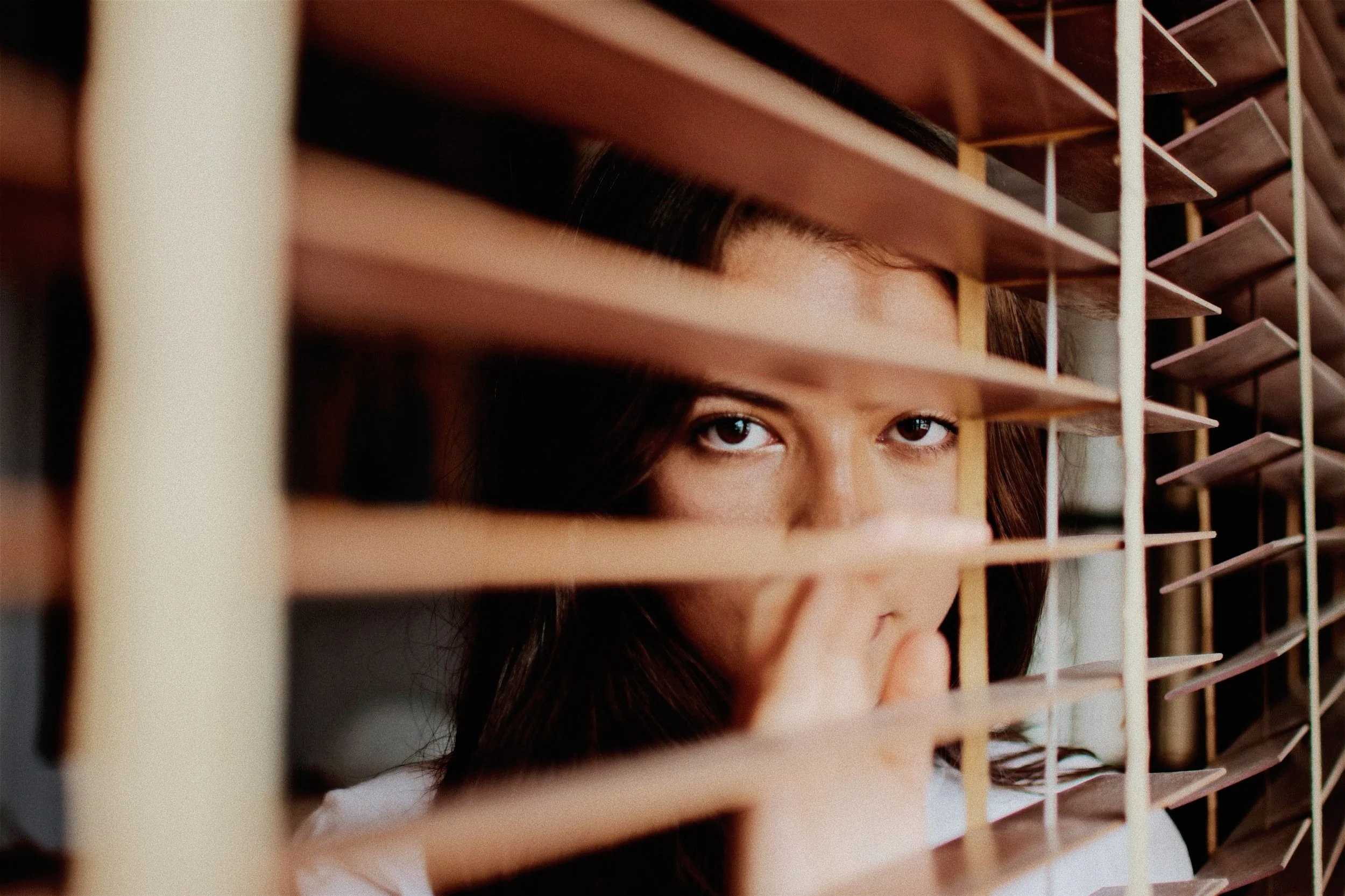
Photo by Joshua Rawson-Harris on Unsplash
In short: Fear is a natural emotion, and you don’t have to get rid of it before you act. You can feel scared and still take the step: that is courage. It helps to see failure, rejection and the unknown differently, to picture yourself succeeding, to lean on people who support you and to speak to yourself more kindly.
“Be scared, but don’t be afraid.”
Your finger hovers over the “send” button. Or you’re standing outside the door of a class where you know nobody. Or you’ve been meaning to make that phone call for three weeks. Your heart beats faster, your hands are damp, and a small voice suggests that tomorrow would be a much better day for it.
We all know that feeling. Fear can take up so much room that you feel small and powerless. But being scared isn’t the same as being afraid. You can be scared and still take action. You can be scared and still be courageous.
What is the difference between being scared and being afraid?
Being scared is what happens in your body: the racing heart, the tight chest, the wish to run. You don’t choose it, and there’s nothing wrong with it. Being afraid, as I mean it here, is letting that feeling take the wheel, so that it decides what you do and what you don’t.
Courage doesn’t mean you feel no fear. It means you take the step with the fear beside you. And every time you do, the fear loses a little of its hold.
Why are we so afraid of failing?
The fear of failure is one of the most common of all. We’re afraid to fail because we think it would prove that we aren’t good enough. Yet failure is a natural part of learning. It’s how we find out what works and what doesn’t. Everyone who has succeeded at something has also failed along the way. They simply didn’t let it define them.
Failure isn’t the end of the road. It’s a detour, and detours often lead somewhere good. If you’re afraid of failing, redefine what the word means to you. Take small steps towards your goal, and celebrate each one. Learn from what goes wrong, and use it as a stepping stone to what comes next. I explore this in there are no mistakes, only opportunities.
You’ll meet this fear in your health too. Many people hesitate to change the way they eat, or to start moving again, because they’ve tried before and stopped. Having stopped before doesn’t mean you’ll stop again. You know more about yourself this time. And if you’d like to understand why habits are so stubborn, read why change is hard, and how to make healthy habits stick.
What if I’m rejected?
The fear of rejection keeps many of us from putting ourselves forward. We don’t apply, we don’t ask, we don’t say what we think. But a “no” says nothing about your worth. It’s part of life, and everybody receives a few.
Most of the time, a rejection isn’t about you. It’s about the other person’s preferences, opinions and circumstances. So put your energy into what you can control, and try not to take a “no” personally. Keep showing up. In time you’ll find the people and the opportunities that are right for you. A steady sense of your own value makes this easier, and I wrote about it in the importance of self-esteem in health and happiness.
How do you step into the unknown?
The fear of the unknown is the most paralysing of all. We hold back from trying new things because we’d like to know how they’ll turn out first. But the unknown is where the magic happens. It’s where you discover new things about yourself, learn what no book could teach you and create new opportunities.
If the unknown frightens you, remember that it’s fine not to have all the answers. Nobody has them. Take the step anyway, with a little trust, and enjoy what you find out about yourself and the world on the way.
What helps you act in spite of fear?
1. Picture yourself succeeding
Visualisation is one of the most effective ways to calm a fear. Close your eyes and imagine the situation that scares you. See yourself going through it with confidence: what you say, how you stand, how you feel afterwards. You’re training your mind to think positively and to believe in what you can do.
When you feel scared, take a few moments to do this before you act. You’ll feel more confident and more willing to take the step. I describe the method in the power of visualisation.
2. Don’t do it by yourself
Having people around you who encourage you makes all the difference. Reach out to friends, to family, or to a coach or therapist who can guide and support you. Tell them what frightens you and ask for their help. Someone who holds you to your word and cheers you on can change everything.
3. Change the way you speak to yourself
The way we talk to ourselves has a great influence on our fears. Harsh words feed them and make them look bigger than they are. Kind and encouraging words give us the confidence to act.
When you catch a discouraging thought, question it, and replace it with one that leans on your strengths. In place of “I can’t do this”, try “I can overcome any challenge”. If that feels like too much on a difficult day, “I can take one step” is a good start. There are more ideas in from self-criticism to self-love.
Try this today
Write down one thing you’ve been putting off because it scares you.
Ask yourself what, exactly, you’re scared of: failing, being turned down, or not knowing what will happen?
Close your eyes for two minutes and picture it going well.
Tell someone you trust what you’re going to do, and when.
Take the smallest possible first step before the end of the day.
Final thoughts
Fear is a natural emotion, and it will keep you company for as long as you go on growing. It isn’t the enemy. It’s an invitation to learn something about yourself. So go out there and be brave, with a positive attitude, people who support you and the determination to keep going.
Be scared, but don’t be afraid.
“Fear is only as deep as the mind allows.”
Japanese proverb
Frequently asked questions
Is it normal to feel scared before doing something new?
Yes. Fear is your body’s way of telling you that something matters and that the outcome is uncertain. It shows up before almost every worthwhile step. Feeling it doesn’t mean you should stop. It means you are about to grow.
What is the difference between being scared and being afraid?
Being scared is the feeling: the fast heartbeat, the knot in your stomach. Being afraid, in the sense of this article, is letting that feeling decide for you. You can’t always prevent the first. You can practise not giving in to the second.
How do I start when a fear feels too big?
Make the step smaller. Break what frightens you into pieces, and choose one that feels uncomfortable but possible. Do it, notice that you survived, and take the next one. Courage grows with each small step you take.
Does positive self-talk really help?
It helps when it is believable. Telling yourself something you don’t believe rarely works. Choose a sentence that is both kind and true, such as “I have done difficult things before” or “I can take one step”, and repeat it when the doubt arrives.
When should I talk to my doctor?
If fear or anxiety is there most days, stops you from sleeping, working or seeing people, or comes with panic attacks, talk to your doctor or a therapist. These things can be treated, and you don’t have to manage them by yourself.
Would you like some help?
Daring to change how you eat and live, especially when earlier attempts didn’t last, is one of the things we work on in my group programmes in nutrition and health, such as Six Tuesdays in Montignac. A group is a kind place to be brave in. If you’d like to hear when the next one opens, write to me at hello@catherinepolet.coach.
Would you rather work one to one? I also coach online. Book a free 20-minute call, and tell me about the step you keep putting off. We’ll make it small enough to take.
About Catherine
I’m Catherine Polet, a holistic nutrition health coach, yoga and autogenic training teacher for more than 30 years, author and speaker. I help people find a way of eating and living that suits their own body, online in English, French, Spanish and German, and in person in Southwest France.

