

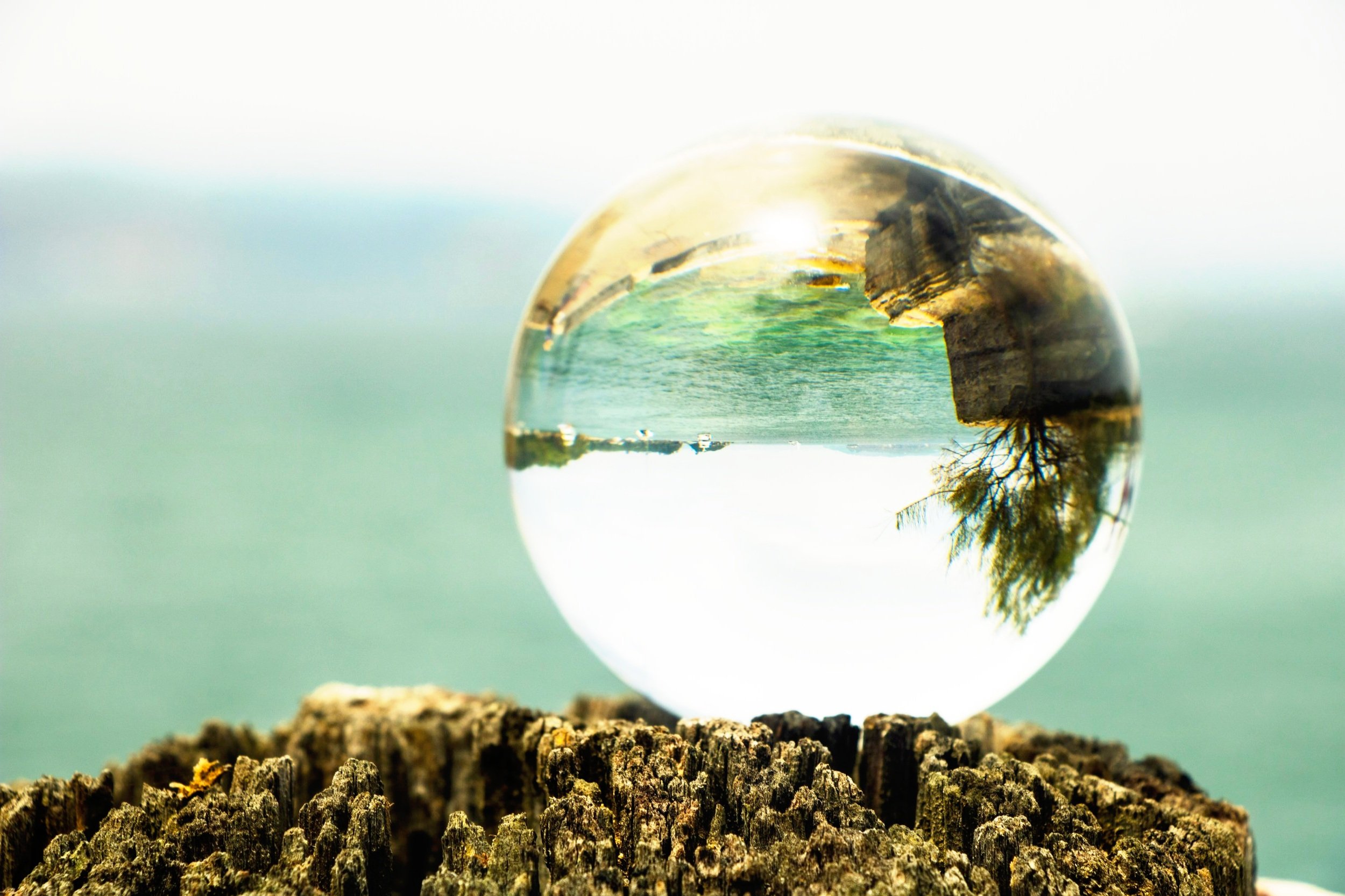
Photo by Chelsea Pridham on Unsplash
In short: Visualisation means picturing your goal in detail, as if you were already living it, and letting yourself feel what that would be like. When you do it regularly, your mind becomes familiar with where you are going, and the next step feels less daunting. It works best when the picture is specific, when emotion is part of it, and when you follow it with action.
You know what you’d like: to feel fit again, to speak up in that meeting, to finally start the project that has been sitting in a drawer. You think about it in the shower, in the car, while stirring the soup. And then the day takes over and the wish stays a wish. It’s there, but it’s vague, and nothing in your week really points towards it.
Visualisation is a way to change that. High achievers, athletes and successful entrepreneurs use it to manifest their goals, and you can use it too, sitting in your armchair for a few minutes a day. Let me show you how.
What is visualisation, really?
Visualisation is more than daydreaming or wishful thinking. When you daydream, your mind drifts wherever it likes. When you visualise, you choose the film. You decide what you want to see, you run it on purpose, and you come back to the same picture again and again until it feels familiar.
It’s also more than seeing the result in your mind’s eye. It’s about experiencing the way there: seeing yourself take the steps, living the moments in between, and feeling what you’d feel. That’s what makes it so different from simply hoping.
Why does picturing a goal help you reach it?
Your brain keeps learning and reshaping itself all your life, in response to what you practise and what you experience. And here is the interesting part: when you imagine doing something in vivid detail, your brain rehearses it. In a way, it is practising the action, even though you’re sitting still.
Think of a musician who runs through a piece in her head on the train, or a skier who closes his eyes at the top of the slope and goes through every turn before setting off. They aren’t wasting time. They’re preparing their mind and body, so that when the moment comes, it feels like something they’ve done before.
The same thing happens with your own goals. When you’ve pictured yourself many times putting on your walking shoes after work, or calmly saying what you think, the real moment is less of a leap. You recognise it. You’ve been there already.
Visualisation also keeps your goal in front of you. It’s much easier to make the small daily choices that lead somewhere when you can clearly see where that somewhere is. I wrote more about this in the benefits of having a clear vision for your health.
I made a short video about this, you can watch it below.
How do you use visualisation for your goals?
Here are the five steps I suggest.
1. Define a clear goal
You can’t picture something vague. “I want to be healthier” gives your mind nothing to hold. What does success look like for you? What would you be doing, on an ordinary day, if you’d got there? What steps lead to it? Be specific and detailed. If you need help with this part, have a look at how to achieve your health goals.
2. Create a mental picture
Once your goal is clear, build the picture of having reached it. Fill in every detail: where you are, what you’re doing, who is with you, what you’re wearing, what you can hear. The more vivid and detailed the picture, the more effective it will be. If you like to have something in front of your eyes as well, a vision board is a lovely companion to this practice.
3. Bring in emotion
Emotion plays a big part. It isn’t enough to see the outcome: let yourself feel it. Joy, pride, fulfilment, relief, whatever you expect to feel on that day. Notice where you feel it in your body. That feeling is what gives the picture its pull.
4. Practise regularly
Visualisation is a skill, and like any skill it improves with practice. Set aside a few minutes each day. Many people like the quiet moments of a morning routine, before the day gets busy. Over time your pictures become sharper and they come more easily.
5. Combine it with action
This is the step that makes the difference. Visualisation is powerful, but it’s most effective when you act on it. After each session, ask yourself: what is one small thing I can do today that belongs to this picture? Then do it. The picture guides your actions and keeps you motivated, and your actions make the picture more believable.
A simple exercise to get started
Try this today. It takes five minutes.
Find a quiet, comfortable place where you won’t be disturbed.
Close your eyes and take a few deep breaths to relax your mind and body.
Picture one of your goals. See yourself taking the steps that lead to it, one after the other.
Feel the emotions of having reached it: the joy, the pride, the sense of fulfilment.
Stay with the picture for a few minutes, then slowly bring your attention back to the room.
A calm body makes all of this easier. That’s one reason visualisation goes so well with autogenic training, the relaxation method I teach: once you’re deeply relaxed, the pictures come more freely.
What if it feels strange at first?
It probably will. Your mind may wander to the shopping list, or a little voice may tell you this is silly. Just come back to your picture, kindly, as often as you need to. Be patient with yourself and celebrate your progress along the way: the first time the picture feels real, the first time you catch yourself acting on it without thinking.
Visualisation is one of three tools I suggest, together with gratitude and autogenic training. You can read how they fit together in mastering the mindset shift, and why your way of looking at things matters so much in mindset mastery.
Frequently asked questions
How long should I visualise each day?
A few minutes is enough. What counts is doing it regularly, at a moment when you will not be disturbed, so that the picture becomes clearer and more familiar over time.
What if I cannot see clear pictures in my mind?
Many people do not see sharp images, and that is fine. Use the senses that come easily to you: what you would hear, what you would feel in your body, what you would say. The feeling matters more than the picture.
Is visualisation the same as wishful thinking?
No. Wishful thinking stops at the wish. Visualisation includes the steps that lead to your goal, and it is followed by action. You picture yourself doing the thing, and then you go and do a small part of it.
What should I visualise first?
Start with one goal that matters to you and that feels within reach in the coming weeks or months. Once you are comfortable with the practice, you can use it for bigger things.
Would you like some help?
Getting clear on what you want for your health, and turning it into small steps you can keep up, is one of the things we work on in my group programmes in nutrition and health, such as Six Tuesdays in Montignac. If you’d like to hear when the next group opens, write to me at hello@catherinepolet.coach.
Would you rather work one to one? I also coach online. Book a free 20-minute call, and tell me about the picture you’d love to step into.
About Catherine
I’m Catherine Polet, a holistic nutrition health coach, yoga and autogenic training teacher for more than 30 years, author and speaker. I help people find a way of eating and living that suits their own body, online in English, French, Spanish and German, and in person in Southwest France.

