

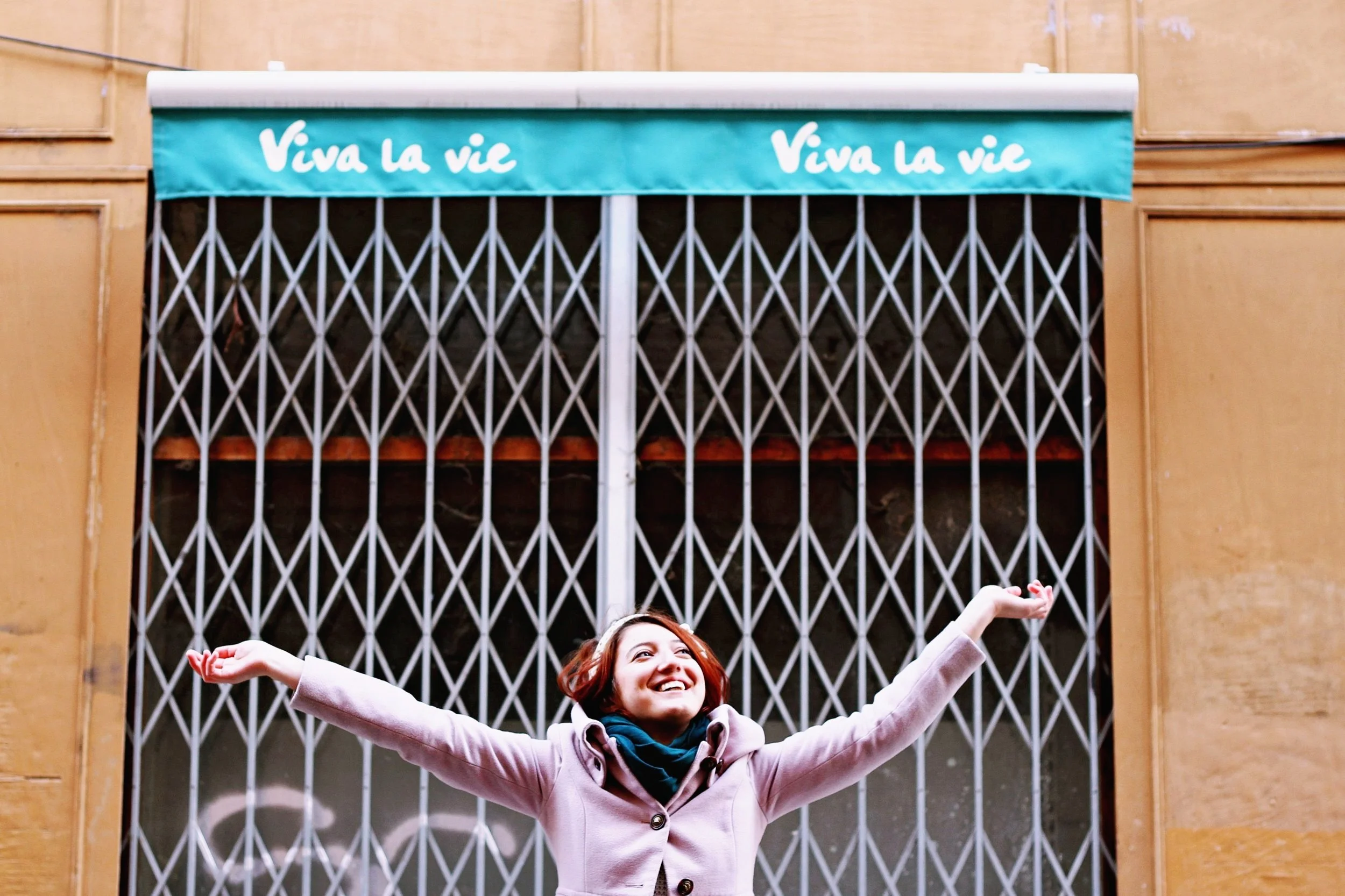
Photo by Toa Heftiba on Unsplash
In short: Life is a small part what happens to you and a large part how you respond to it. You can’t choose every event, but you can choose where you put your attention, what you learn and which small step you take next. Gratitude, good company, looking after your body, letting go and kindness towards yourself all make that choice easier.
The email arrives on a Friday afternoon. The project you worked on for months has been turned down. Or the car won’t start on the morning you most need it. Or someone says something at dinner that stays with you all night. You feel your stomach tighten, and for a while it colours everything: the meal, the evening, the weekend.
There’s a well-known saying that life is a small part what happens to you and a much larger part how you respond to it. It sounds simple, and it carries a lot. It means that, whatever the outside world does, there’s a space that remains yours.
What does it mean to choose your response?
We don’t choose most of the events of our lives. We do have a say in what we make of them: the thoughts we feed, the story we tell ourselves about what happened, the next thing we do.
Think about it. If you dwell all day on what went wrong, you end up going round in circles, and everything looks grey. If you look for what’s still good, and for what you can do, you find a little hope, and with it some strength. Nothing outside has changed. What has changed is where you’re looking.
“Happiness is not something ready-made. It comes from your own actions.”
Dalai Lama
This isn’t about pretending that everything is fine. A hard day is a hard day, and you’re allowed to be sad, cross or disappointed. Choosing your response comes afterwards: once the first wave has passed, you decide what you do with it.
A story from my coaching
A few years ago, one of my clients faced a big setback in her career. She had put her heart and soul into a project, and despite her best efforts, it failed. She was devastated and felt like giving up. During our coaching sessions, I reminded her of this saying: what happens to us is the smaller part, and how we respond is the larger one.
She decided to take charge of her thoughts and her emotions, and to look at what she could learn from the experience. She took some time off to reflect and to look again at her goals and priorities. She stopped going over the failure and turned towards the lessons it held and the opportunities ahead. She started taking small steps towards her goals, and before she knew it, she was back on track, stronger and more determined than before.
How do you respond well when something goes wrong?
Three things helped her, and they can help you too.
1. Take charge of your thoughts and emotions
Notice what you’re telling yourself. “I always fail” and “this time it didn’t work” describe the same event, and they don’t lead to the same evening. Look for what’s still good, however small it seems. Our thoughts shape our days far more than we realise, as I explain in mind your thoughts, change your life.
2. Learn from the experience
Every experience, pleasant or painful, has something to teach. Ask yourself what you’d do differently, and what you now know that you didn’t know before. Seen this way, a mistake becomes an opportunity to grow.
3. Take action
Don’t wait for things to sort themselves out. Choose one small step and take it, then the next. Movement, even modest, takes you out of helplessness.
What helps you build a more positive outlook?
A calm response in a difficult moment is prepared on ordinary days. Here are six habits you can start with today.
Practise gratitude
Take a moment each day to think about what you’re thankful for. It can be very simple: a beautiful sunrise, a warm hug from someone you love, a hot cup of coffee in the morning. When you make a habit of noticing what’s good, you find more of it. I describe how to begin in how gratitude can change your outlook.
Surround yourself with what lifts you
Spend time with people who do you good. Read books that encourage you, listen to music you love, watch films that leave you feeling lighter. Positivity is contagious. So is the opposite, which is a reason to choose your company and your evenings with care.
Look after your body and your mind
The two are closely connected. It’s much harder to respond calmly when you’ve slept badly, skipped lunch and haven’t been outside all day. A proper meal, a walk and a reasonable bedtime don’t solve the problem. They give you a steadier place to meet it from. This is also where your response becomes something you can touch: on a bad day, you still choose what goes on your plate and when you go to bed. And if you feel overwhelmed, or stuck in dark thoughts, ask for help.
Learn to let go
Holding on to old hurts and grudges keeps you tied to the past. Forgive yourself and others where you can, and come back to today. It isn’t always easy, and it’s a relief when it happens. I wrote more about this in the need to let go.
Look for solutions
When a problem fills your head, ask yourself one question: “What can I do to improve this situation?” Write down everything that comes, even the small or silly ideas. Then pick one. You go from enduring the situation to acting on it.
Be kind to yourself
Treat yourself with the same kindness you’d offer a good friend. Don’t be too hard on yourself, and don’t dwell on past mistakes. Look at your strengths and at what you’ve done well, and celebrate your wins, however small. That is what self-compassion looks like in daily life.
Try this the next time something goes wrong
Stop, and take three slow breaths before you say or do anything.
Name what you feel, out loud or on paper: “I’m disappointed”, “I’m angry”.
Ask yourself: “What part of this can I do something about?”
Choose one small step, and take it today.
Do one kind thing for your body: a glass of water, a real meal, an early night.
Life will go on throwing surprises your way. It isn’t what happens to you that defines you. It’s how you respond. Go out there and make the most of life, whatever it brings. You’ve got this!
Frequently asked questions
Does responding well mean I have to stay positive all the time?
No. Sadness, anger and disappointment are normal after a setback, and they need a little room. Responding well means you let the feeling pass through, and then choose what you do next, so the feeling doesn’t choose for you.
How can I stop dwelling on what went wrong?
Give your thoughts something to do. Write down what happened, what you learned and one thing you can do about it this week. Then move your body: a walk is often enough to break the loop. If the same thought comes back, come back to your one small step.
What can I do when I can’t change the situation at all?
Then your choices are about how you live with it: who you talk to, how you look after your sleep, your meals and your rest, and what you let go of for now. Those choices are small, and they change how heavy the situation feels.
How long does it take to react differently?
It is a practice, and it grows with repetition. Start with small annoyances, such as a late train or a sharp remark, and practise pausing before you react. With time the pause becomes more natural, also when bigger things happen.
When should I talk to my doctor?
If low mood, anxiety or poor sleep last for more than a couple of weeks, if you no longer enjoy the things you usually like, or if daily life feels too heavy to manage, talk to your doctor or a mental health professional. Asking for help is a strong and sensible response.
Would you like some help?
How we respond when life gets difficult, including what happens to our eating, our sleep and our energy in those weeks, is one of the things we work on in my group programmes in nutrition and health, such as Six Tuesdays in Montignac. If you’d like to know when the next group opens, write to me at hello@catherinepolet.coach.
Would you rather work one to one? I also coach online. Book a free 20-minute call, and we’ll look at what’s weighing on you at the moment and at one response that is within your reach.
About Catherine
I’m Catherine Polet, a holistic nutrition health coach, yoga and autogenic training teacher for more than 30 years, author and speaker. I help people find a way of eating and living that suits their own body, online in English, French, Spanish and German, and in person in Southwest France.

