

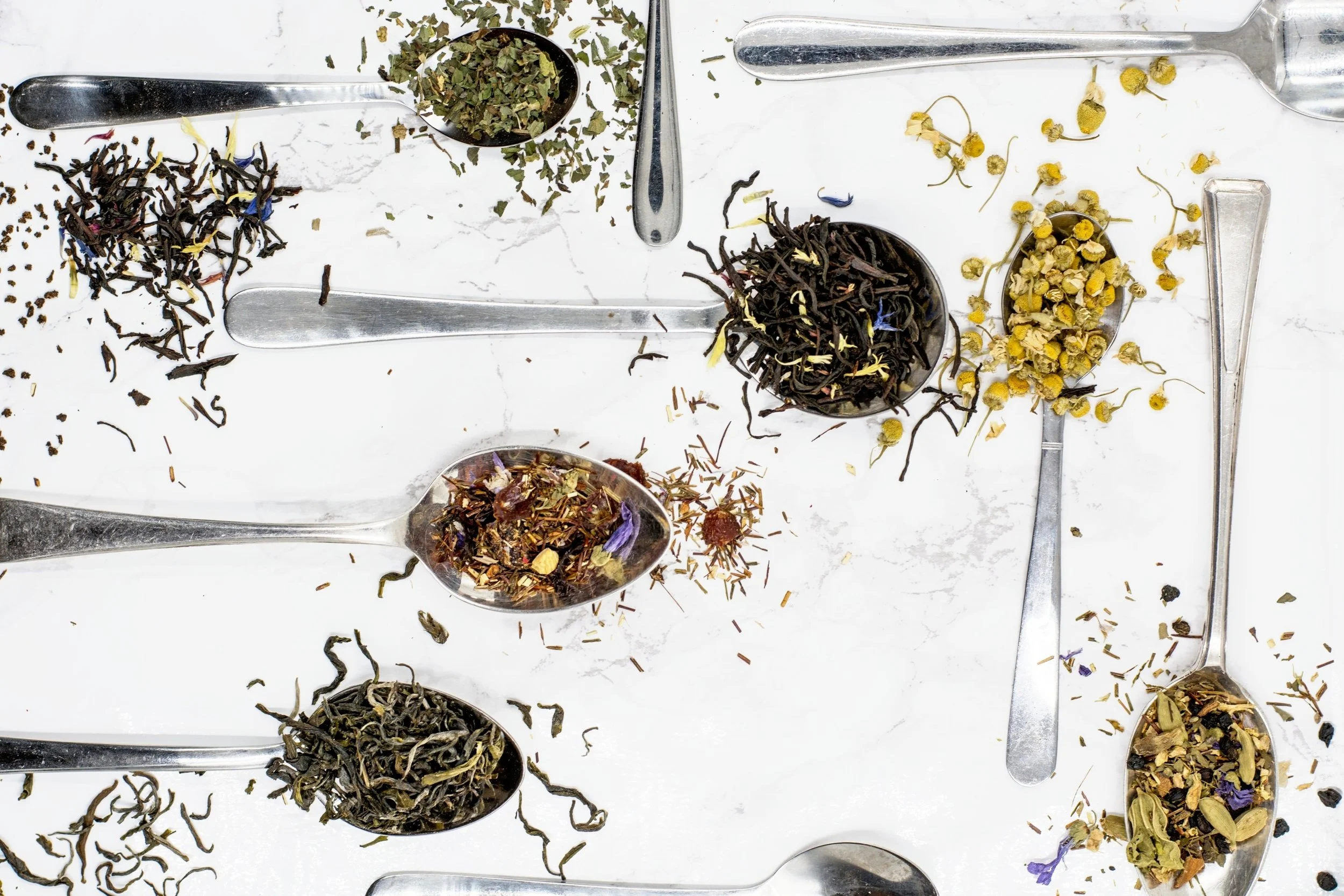
Photo by Alice Pasqual on Unsplash
In short: Acid reflux happens when the contents of your stomach come back up into your food pipe, and you feel it as heartburn. For occasional reflux, everyday habits often make a real difference: calmer and more moderate meals, an earlier dinner, knowing your own trigger foods, and a warm cup of ginger or chamomile tea. Reflux that is frequent, that lasts, or that comes with trouble swallowing or chest pain belongs with your doctor, not in the kitchen.
You’ve had a lovely dinner. You sit down on the sofa, and there it is: a burning feeling that rises behind your breastbone, a sour taste at the back of your throat. Or it waits until you lie down, and then keeps you awake, propped up on two pillows, wondering what on earth you ate.
If you know that feeling, you also know how much it can spoil the simple pleasure of a meal. I’m a holistic nutrition health coach, not a doctor, so I won’t talk about medicines here. What I can share is what you can look at on your plate and in your day, because that is often where the burn begins.
What is acid reflux?
Your stomach makes acid to digest your food. That’s exactly what it should do, and the stomach is built to cope with it. Your food pipe, the oesophagus, is not. Between the two there is a ring of muscle that opens to let food down and closes again afterwards. When it doesn’t close firmly, or when the stomach is very full, some of the acid comes back up.
You feel it as heartburn: a burning behind the breastbone, sometimes with a sour taste, burping, a heavy feeling after eating, or a cough and a hoarse voice in the morning. Most of us have it now and then, after a big celebration meal for instance. When it happens often, it needs proper attention, and I’ll come back to that at the end.
Why does it happen to me?
There’s rarely one single cause. A few things make reflux more likely, and they tend to add up:
A very full stomach. A large meal presses against that ring of muscle.
Eating fast. Lunch in ten minutes at your desk means big mouthfuls, swallowed air and food that is barely chewed.
Lying down or slumping after eating. Gravity is no longer on your side.
Pressure around the middle. A tight waistband, bending over to weed the garden straight after lunch, or extra weight around the tummy.
Certain foods and drinks. They differ from person to person.
Stress. When you’re tense, digestion is not your body’s priority, and many people feel it in their stomach first.
Pregnancy and some medicines can also bring on heartburn. If you think that might be your case, talk to your doctor or pharmacist, and never stop a prescribed medicine on your own.
Which everyday habits help most?
This is where I would always begin, because these changes cost nothing and are kind to the rest of your body too.
1. Eat a little less at a time
Moderate meals are easier on your stomach than one enormous plate in the evening. If you tend to eat very little all day and then a lot at night, try moving some of that food to breakfast and lunch.
2. Slow down
Sit at the table. Put your fork down between mouthfuls. Chew properly. It sounds almost too simple, and it’s one of the things that changes most. Eating slowly also helps you notice when you’ve had enough, which I describe in my article on recognising your hunger and fullness cues.
3. Stay upright after eating
Leave two or three hours between dinner and bed if you can. A gentle walk around the block after the meal is lovely for digestion. The sofa, flat on your back, is not.
4. Raise the head of your bed a little
If the burn comes at night, raising the head end of the bed slightly, or using a wedge under the mattress, helps many people more than a pile of pillows, which only bends you in the middle.
5. Loosen what’s tight
Comfortable clothes around the waist. And if you carry extra weight around your middle, losing some of it gently, without a crash diet, often eases reflux as well.
6. Calm your system before you eat
Three slow breaths before the first mouthful tell your body that it’s safe to digest. If stress is a big part of your days, relaxation practices such as coming back to your breath or autogenic training are worth a try. Some people also find acupuncture helpful.
Which foods trigger it, and which are gentle?
The foods people name most often are rich, greasy or fried dishes, very spicy food, tomato sauces, citrus, chocolate, coffee, alcohol and fizzy drinks. For some people, mint is on the list too.
Please don’t cut them all out at once. You may be perfectly fine with coffee and react to raw onion instead. Everyone’s body is different, so what bothers your neighbour may not bother you. Keep a small diary for a week or two: what you ate, when, how fast, and how you felt afterwards. Patterns show up quickly, and you only remove what truly upsets you.
On the gentle side, think of simply cooked meals with plenty of vegetables, fruit that isn’t too sharp, and whole grains. Baked chicken with vegetables and quinoa. A spinach and strawberry salad. A bowl of porridge, a vegetable soup, steamed fish with rice and fennel. How you cook matters as much as what you cook: baking, steaming and gentle simmering sit more lightly than frying. Fermented foods and fibre-rich vegetables look after your digestion as a whole, and I explain how in the gut health trio.
I made a short video about this, you can watch it below.
Can herbs and teas soothe heartburn?
Several kitchen herbs have been used for a very long time to comfort the stomach. They won’t cure reflux, and I wouldn’t promise you that. A warm cup, sipped slowly and sitting down, is a small comfort in itself.
Ginger. Peel and slice a little fresh ginger root, pour hot water over it, leave it for about ten minutes and strain. A little honey softens the taste. Lemon is best left out if citrus bothers you.
Chamomile. Calming for the stomach and for the mind. A cup after dinner or before bed is a gentle way to end the day.
Fennel. Wonderful sliced into salads, roasted with other vegetables or cooked in a soup. The seeds make a mild, slightly sweet tea.
Lemon balm. Easy to grow in a pot, fresh in a salad and soothing as a tea.
Turmeric. A warm spice for curries, rice dishes and soups. Notice how you feel, because very spiced dishes don’t suit everyone with reflux.
If hot drinks are new to you, I’ve written more about the simple habit of drinking hot water.
You’ll also read about liquorice root, aloe vera juice, slippery elm and bicarbonate of soda as remedies for reflux. These go beyond everyday food. Liquorice, for example, isn’t suitable for everyone, in particular with high blood pressure, and bicarbonate of soda is very high in sodium. Please ask your doctor or pharmacist before trying any of them, and always if you are pregnant, breastfeeding, taking medication or thinking of giving them to a child.
Try this for one week
Eat your evening meal a little earlier and a little lighter.
Sit down for every meal and take three slow breaths before you begin.
Go for a ten-minute walk after dinner.
Swap your after-dinner coffee for chamomile or fennel tea.
Write down what you eat and how you feel, without judging any of it.
At the end of the week, read your notes. You’ll very likely see what your body has been trying to tell you. And if your nights are disturbed, my article with simple habits for better nights may help alongside.
Frequently asked questions
Which foods most often set off heartburn?
It differs from one person to the next. The ones people mention most are rich, fried or very spicy meals, tomato sauces, citrus, chocolate, coffee, alcohol, fizzy drinks and, for some, mint. A short food diary over a week or two is the kindest way to find your own.
Is it better to eat little and often?
Many people with reflux feel more comfortable with moderate meals than with one very large one, because a very full stomach is more likely to push acid upwards. Eating slowly and stopping when you are comfortably full matters as much as how often you eat.
Can I drink herbal tea every day for reflux?
A cup of ginger, chamomile, fennel or lemon balm tea is an ordinary, pleasant drink for most adults. If you are pregnant, breastfeeding, take medication or have a health condition, check with your doctor or pharmacist first, and do the same before trying liquorice root, aloe vera or slippery elm.
Why is my heartburn worse at night?
When you lie down, gravity no longer helps to keep the contents of your stomach where they belong. A late or heavy dinner makes it more likely. An earlier, lighter evening meal and a slightly raised head of the bed help many people.
When should I talk to my doctor?
See your doctor if heartburn comes back several times a week, lasts more than a couple of weeks, or keeps returning in spite of the changes you have made. Go promptly if you have trouble or pain when swallowing, food that feels stuck, weight loss you cannot explain, repeated vomiting, or black stools. Chest pain, especially with breathlessness, sweating or pain spreading to the arm or jaw, needs emergency help straight away: do not assume it is heartburn.
Would you like some help?
How, when and what we eat so that our digestion feels comfortable is one of the things we work on in my group programmes in nutrition and health, such as Six Tuesdays in Montignac. If you’d like to hear when the next group opens, write to me at hello@catherinepolet.coach.
Would you rather work one to one? I also coach online. Book a free 20-minute call, and we’ll look together at your meals and your evenings, so that dinner becomes something you look forward to again.
About Catherine
I’m Catherine Polet, a holistic nutrition health coach, yoga and autogenic training teacher for more than 30 years, author and speaker. I help people find a way of eating and living that suits their own body, online in English, French, Spanish and German, and in person in Southwest France.

