18 FAQs on Minimalism: Simplify Your Life

Are you overwhelmed by the clutter in your home, the constant demands on your time, and the pressure to keep up with the latest trends? If so, minimalism might be just what you need. Minimalism is a lifestyle that encourages you to live with less, to focus on what truly matters, and to find joy in simplicity. Let’s dive into the 18 FAQs to answer frequently asked questions about minimalism to help you start your minimalist journey.

What is minimalism? 

Minimalism is a lifestyle and design trend that has gained popularity recently, and for a good reason. At its core, minimalism is about simplicity and reducing excess in your life. It’s about intentionally focusing on what truly matters and letting go of the rest. This can apply to everything from your possessions to your schedule to your mental clutter.

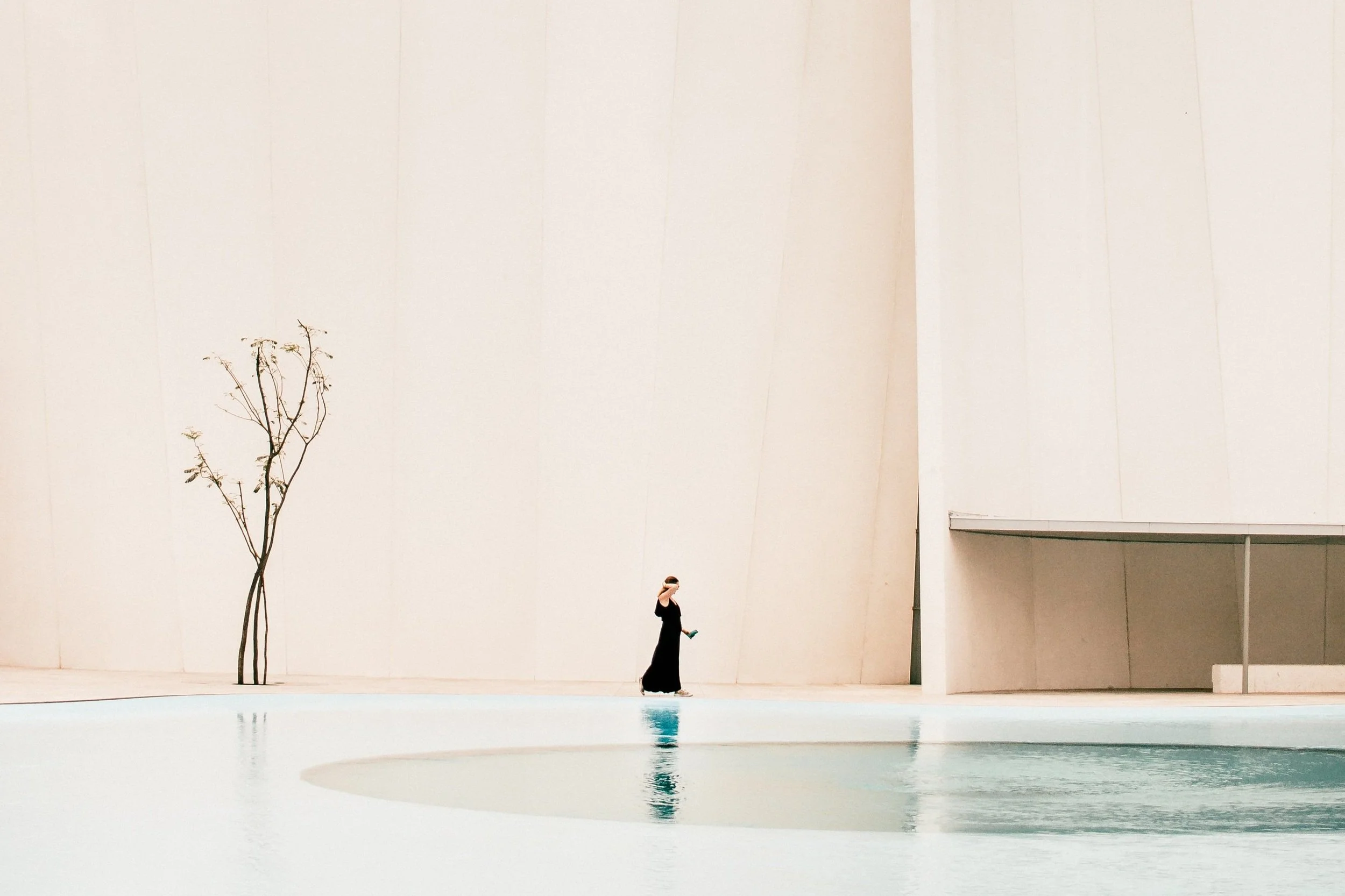
In design, minimalism emphasizes clean lines, neutral colors, and a lack of ornate details. This creates a sense of calm and order in a space, making it easier to relax and focus.

But minimalism is more than just an aesthetic choice — it’s a way of life. Whether spending time with loved ones, pursuing a passion, or simply enjoying the beauty of the natural world, minimalism can help you prioritize what’s truly important. By reducing the amount of “stuff” in your life, you can free up time, energy, and resources to focus on the things that matter to you.

Of course, minimalism looks different for everyone. For some, it might mean living in a tiny house with just a few possessions. For others, it might mean decluttering their home and streamlining their schedule. The key is to find what works for you and to be intentional about it.

Why not give minimalism a try? You might find that simplifying your life leads to greater happiness, contentment, and fulfillment. And who doesn’t want that?

Why do people choose to live a minimalist lifestyle? 

People choose to live a minimalist lifestyle for many different reasons, but at the heart of it is a desire for simplicity, freedom, and intentionality. By intentionally reducing the number of possessions, commitments, and distractions in their lives, minimalists create more space for what truly matters.

For some, minimalism is a response to the excess and consumerism of modern society. They want to break free from the constant buying and consuming cycle and instead focus on the things that bring them true joy and fulfillment.

For others, minimalism is a way to reduce stress and improve their mental health. By simplifying their surroundings and routines, they can better focus on what’s important and let go of what’s not.

And for many, minimalism is a way to live a more environmentally conscious and sustainable lifestyle. By consuming less and reducing waste, they minimize their impact on the planet and help create a better future for future generations.

Of course, everyone’s reasons for embracing minimalism are unique, and there’s no “right” way to do it. The beauty of this lifestyle is that it can be adapted to fit your values and goals.

Ultimately, it’s about creating a life that aligns with what you truly care about. By letting go of what’s holding you back and focusing on what’s truly important, you can create a more fulfilling and meaningful life for yourself.

How do I get started with minimalism? 

Getting started with minimalism is simple. Here are some tips to help you get started:

  • Identify your why: Why do you want to embrace minimalism? What are your goals and values? Understanding your why will help you stay motivated and focused as you declutter and simplify.

  • Start small: Don’t try to declutter your entire house or overhaul your schedule all at once. Start with a tiny area or one aspect of your life and work from there. It could be decluttering your closet or simplifying your morning routine.

  • Get rid of what you don’t need: Look around your space and identify items you don’t use, love, or serve a purpose. Donate or sell these items, and feel the freedom of letting go.

  • Be intentional about what you bring into your life: Before you buy something new, ask yourself if it aligns with your values and goals. Do you really need it? Will it bring you joy and fulfillment? You can avoid accumulating more clutter by being intentional about what you bring into your life.

  • Simplify your schedule: Are there commitments or activities in your life that don’t bring you joy or align with your goals? Consider cutting back on these and focusing on what truly matters.

Remember, minimalism is not about perfection. It’s about creating a life that aligns with your values and brings you joy and fulfillment. Take it one step at a time, and enjoy the freedom and simplicity of living a minimalist lifestyle.

Is minimalism about depriving yourself? 

When you hear “minimalism,” you might think of deprivation or sacrifice. After all, if you’re reducing the number of possessions, commitments, and distractions in your life, aren’t you depriving yourself of the things that make life enjoyable?

The answer is no, not necessarily. While minimalism does involve letting go of what’s unnecessary or unimportant, it’s not about deprivation or sacrifice. Instead, it’s about prioritizing what truly matters and letting go of the things holding you back.

Think about it this way: focusing on what’s essential is easier if you’re not surrounded by clutter and distractions. By simplifying your surroundings and routines, you’re creating more space and freedom to pursue the things that bring you joy and fulfillment.

Minimalism is not about living with nothing — it’s about living with intention. It’s about intentionally choosing the things that bring you joy and fulfillment and letting go of those that don’t. It’s about creating a life that aligns with your values and goals and freeing up space and energy to pursue those things.

Of course, everyone’s definition of minimalism is different. The key is finding what works for you and approaching minimalism with a mindset of abundance, not deprivation. It’s about living a life full of what truly matters and letting go of the things holding you back.

Does minimalism affect mental health? 

Have you ever noticed how cluttered surroundings make you anxious or stressed? Or how a jam-packed schedule can leave you feeling overwhelmed and burnt out? Minimalism can actually have a positive impact on your mental health.

Research has shown that living in a cluttered or disorganized environment can increase stress and anxiety. By simplifying your surroundings and reducing the number of possessions you own, you create a sense of calm and order in your home.

But it’s not just your physical environment that benefits from minimalism — your mental and emotional well-being will also benefit from it. When you’re not constantly rushing from one commitment to the next, you have more time and energy to focus on self-care and activities that bring you joy and fulfillment. By simplifying your schedule and focusing on what truly matters, you will reduce feelings of overwhelm and burnout.

In addition, minimalism can help you cultivate a sense of gratitude and contentment. When you’re not constantly chasing the latest trends or material possessions, you can appreciate what you already have and find joy in the simple things. This helps reduce anxiety and comparison and increases happiness and fulfillment.

Of course, everyone’s experience with minimalism is different, and it’s not a magic cure for mental health issues. But by simplifying your life and creating space for what truly matters, you can improve your overall well-being and find more peace and contentment in your daily life.

How do I declutter my home? 

Decluttering your home can be daunting. It’s easy to accumulate possessions over time; your space can feel cramped and cluttered before you know it. But don’t worry — with a few simple steps, you can declutter your home and create a light and airy space.

  • Start by setting a goal. Do you want to declutter your entire home or just one room at a time? Break the process into manageable steps so it doesn’t feel overwhelming. For example, you can declutter one closet or shelf at a time.

  • Gather your supplies. You’ll need trash bags or boxes for items you plan to donate or sell and cleaning supplies to wipe down surfaces as you go.

  • Now it’s time to start decluttering. Begin by sorting items into three piles: keep, donate/sell, and toss. Be honest with yourself about what you need and use, and don’t be afraid to let go of things taking up space without adding value to your life.

  • As you sort through your possessions, ask yourself a few questions: Do I use this regularly? Does it bring me joy or add value to my life? If the answer is no, it’s time to let go.

  • Once you’ve sorted everything, it’s time to organize what’s left. Ensure everything has a designated place, and keep items together. Invest in storage solutions for your space, such as shelving, baskets, or drawer organizers.

  • Finally, make a plan to maintain your newly decluttered space. Regularly go through your possessions and get rid of anything that’s no longer needed or used. And when you do bring new items into your home, be mindful of what you’re adding and whether it truly adds value to your life.

Decluttering is a process; taking it one step at a time is okay. By simplifying your surroundings and letting go of what’s no longer needed, you can create a home that feels light, airy, and full of possibility.

Can minimalism benefit the environment? 

Have you ever stopped to consider the impact of your possessions on the environment? Our belongings significantly impact the planet, from the resources used to create them to the waste they produce. That’s where minimalism comes in — by simplifying your life and reducing your consumption, you can positively impact the environment.

Minimalism can help to reduce the amount of waste we produce. When we buy less and focus on using what we have, we’re less likely to throw things away. This means less waste in landfills, less pollution from manufacturing, and less environmental impact.

In addition, minimalism helps to reduce our carbon footprint. When we consume less, we use fewer resources and emit fewer greenhouse gases. This helps mitigate climate change’s effects and protects our planet for future generations.

Minimalism also encourages sustainable practices. By focusing on quality over quantity, we’re more likely to invest in well-made, durable products that will last a long time. This means fewer resources are used over the long term, as we’re not constantly replacing cheap, poorly-made items.

Of course, everyone’s journey to minimalism looks different, and it’s not a magic cure for environmental issues. But by simplifying your life and reducing your consumption, you can positively impact the planet and create a more sustainable future.

Start small by focusing on one area of your life or one aspect of your consumption habits. It could be buying secondhand instead of new or committing to using up what you have before buying more. Whatever it is, know that every small step you take towards minimalism is a step towards a more sustainable future for us all.

How do I create a minimalist wardrobe? 

Do you ever look at a closet full of clothes and feel like you have nothing to wear? It’s a familiar feeling, but the solution may be simpler than you think — creating a minimalist wardrobe.

A minimalist wardrobe is all about simplicity and quality over quantity. Instead of having a closet full of trendy, fast-fashion pieces that quickly go out of style, a minimalist wardrobe consists of timeless, versatile pieces that can be mixed and matched to create a variety of outfits.

To create a minimalist wardrobe, start by taking everything out of your closet and assessing what you have. Ask yourself a few questions: Do I love this item? Does it fit well? Do I wear it regularly? If the answer is no, it’s time to let go.

Next, focus on investing in quality, timeless pieces that will last a long time. This might include things like a classic trench coat, a well-made pair of jeans, or a versatile dress that can be dressed up or down.

When choosing new pieces, consider how they’ll fit into your wardrobe. Will they pair well with other pieces you already own? Will they work for multiple occasions and seasons?

Another important aspect of a minimalist wardrobe is color coordination. Stick to a color palette that works well together, such as neutral tones like black, white, and beige. This will make it easier to mix and match pieces and create a variety of outfits.

Finally, remember that a minimalist wardrobe doesn’t have to be boring. Accessories like scarves, jewelry, and bags can add personality and flair to even the most basic outfits.

Creating a minimalist wardrobe is worth it — a closet full of pieces you love and wear regularly and less stress and decision fatigue when getting dressed in the morning. Start by assessing what you have, investing in quality pieces, and coordinating your colors — you’ll be on your way to a stylish, minimalist wardrobe in no time.

How can minimalism help me save money? 

Do you want to live paycheck to paycheck, with little to no money left over at the end of the month? If not, minimalism may be the answer you’ve been looking for. Not only can it simplify your life, but it can also help you save money.

One way minimalism can save you money is by reducing your consumption. When you focus on buying only what you need, you’re less likely to impulse buy or waste money on things you’ll never use. This means more money in your bank account and less clutter in your home.

In addition, minimalism helps you make more intentional purchasing decisions. When you’re not constantly buying new things, you have more time and space to think about what you truly need and what will bring value to your life. This means less money spent on quickly forgotten or discarded items.

Minimalism also helps you prioritize experiences over things. When you’re not constantly buying new possessions, you have more money to spend on experiences that bring joy and fulfillment to your life. This might include traveling, trying new hobbies, or spending time with loved ones.

Of course, everyone’s financial situation is different, and minimalism is not a one-size-fits-all solution. But by focusing on what truly matters and reducing your consumption, you create a more intentional and fulfilling life while saving money.

Start by assessing your spending habits and identifying areas to cut back. It could be buying secondhand instead of new or committing to using up what you have before buying more. Whatever it is, know that every small step towards minimalism is a step towards financial freedom and a more fulfilling life.

Is minimalism only for people who live alone or don’t have families? 

Minimalism is for everyone, regardless of their living situation or family status. Many families have found that embracing a minimalist lifestyle has actually brought them closer together. Families can create a more intentional and meaningful life together by focusing on what truly matters and eliminating the excess.

Minimalism also helps families save money, reduce stress, and create a more peaceful home environment. By decluttering and simplifying their spaces, families can reduce the time spent cleaning and organizing, allowing for more quality time.

Of course, adopting a minimalist lifestyle with a family may require some adjustments and compromises. It’s essential to communicate with your family and decide what items to keep and what to let go of. Finding ways to incorporate minimalism into your family’s routines and traditions is vital.

For example, instead of giving material gifts for birthdays and holidays, consider giving experiences or making homemade gifts. Instead of buying new clothes every season, try shopping secondhand or hosting a clothing swap with friends and family.

Ultimately, minimalism is about creating an intentional, fulfilling, and sustainable life. And that’s something that everyone can benefit from, whether you live alone or have a family.

Can minimalism be applied to digital clutter? 

Are you someone who is constantly flooded by digital clutter? Are you overwhelmed by the number of emails, social media notifications, and digital files on your devices? Minimalism can also be applied to your digital life.

Just like physical clutter, digital clutter can be a source of stress and anxiety. It can also waste valuable time and energy that could be better spent on more meaningful activities.

Practicing digital decluttering is one way to apply minimalism to your digital life. This might include unsubscribing from unnecessary emails, deleting unused apps and files, and organizing your digital files in a way that makes sense.

Another way to incorporate minimalism into your digital life is by practicing digital mindfulness. This means being intentional about how you use your devices and limiting distractions that can disrupt your focus and productivity.

For example, setting designated times to check your email or social media instead of constantly being connected throughout the day. You could also turn off notifications for apps that aren’t essential to your daily life, allowing you to be more present in the moment and avoid distractions.

Finally, minimalism can also be applied to the types of digital content you consume. Just like physical possessions, digital content can accumulate and become overwhelming. You can create a more meaningful and intentional digital life by being intentional about what you choose to read, watch, or listen to.

Create a more intentional and fulfilling digital life by practicing digital decluttering, digital mindfulness, and intentional content consumption.

Can minimalism be applied to work life? 

Are you feeling overwhelmed and stressed by your work life? Are you constantly busy but need to be more productive or fulfilled? If so, minimalism applied to your work life will help you find more balance and meaning.

One way to apply minimalism to your work life is by simplifying your workspace. This might include decluttering your desk, removing unnecessary papers and files, or minimizing distractions like excessive decorations or knick-knacks.

Another way to incorporate minimalism into your work life is by practicing intentional productivity. This means intentionally spending time and energy and prioritizing tasks aligning with your values and goals.

For example, create a daily to-do list with a limited number of tasks that you know you can realistically accomplish. Focusing on what’s truly important reduces the sense of overwhelm and increases your sense of accomplishment.

Finally, minimalism can also be applied to the work you choose to take on. Just like physical possessions and digital clutter, saying “no” to work that doesn’t align with your values or goals can free up more time and energy for the things that matter to you.

How to stay motivated to maintain a minimalist lifestyle? 

Maintaining a minimalist lifestyle can be challenging at times, especially when old habits and societal norms try to pull you back into the cluttered lifestyle you’ve worked so hard to leave behind. However, you can use a few key strategies to stay motivated and committed to your minimalist journey.

First and foremost, it’s essential to keep reminding yourself of why you started on this path in the first place. Perhaps you wanted to reduce stress and overwhelm or live a more sustainable and environmentally-friendly lifestyle. Whatever your reasons, keep them at the forefront of your mind and use them as a source of motivation when you’re tempted to slip back into old habits.

Celebrate your progress and give yourself credit for the hard work you’re putting in. Set small, achievable goals for yourself along the way. These include decluttering a specific area of your home, going a certain amount of time without buying anything new, or reducing your screen time by a certain percentage.

Connecting with like-minded individuals who share your passion for minimalism is also helpful. Join online communities or attend local events to connect with others and get support and inspiration. Seeing minimalism’s positive impact on other people’s lives can be incredibly motivating and uplifting.

Finally, remember that maintaining a minimalist lifestyle is not about perfection. It’s okay to make mistakes or slip up from time to time. The important thing is to acknowledge when you’ve strayed from your path and to recommit to your minimalist goals moving forward.

Remind yourself of your “why.” By setting achievable goals, connecting with others, and practicing self-compassion, you can stay motivated and committed to your minimalist lifestyle over the long term. 

Can minimalism be applied to food and diet? 

Yes, minimalism can absolutely be applied to food and diet! Practicing a minimalist approach to food and diet can benefit your physical and mental health.

At its core, minimalist eating is about simplifying your diet and focusing on high-quality, nutrient-dense foods. This means cutting out processed foods, refined sugars, and other unhealthy options in favor of whole foods like fresh fruits and vegetables, whole grains, and lean proteins.

One of the key benefits of minimalist eating is that it helps you become more mindful of your food choices and develop a healthier relationship with food. Focusing on nutrient-dense foods nourishing your body will make you more likely to feel satisfied and energized throughout the day and less likely to experience cravings or feelings of guilt around food.

Minimalist eating also has environmental benefits. It involves choosing locally sourced foods in season and grown using sustainable farming practices. Eating a less reliant diet on processed and packaged foods reduces your carbon footprint and supports local farmers and producers.

If you want to incorporate minimalist principles into your diet, focus on whole, nutrient-dense foods and minimize your intake of processed and packaged foods. Experiment with new recipes and cooking techniques, and be mindful of the flavors and textures of your foods.

Minimalist eating isn’t about depriving yourself of or following strict rules. It’s about simplifying your diet and focusing on foods that nourish your body and support your health and well-being. A minimalist approach to food and diet will improve your health, reduce your environmental impact, and develop a healthier relationship with food.

What are some common misconceptions about minimalism? 

When it comes to minimalism, many things need to be clarified out there that can prevent people from fully embracing this lifestyle. Here are some of the most common misconceptions about minimalism and why they’re not entirely true:

  • Minimalism is only for people who can afford big, fancy homes. This couldn’t be further from the truth! Minimalism is about simplifying your life and living with less, regardless of the size or cost of your home. Many minimalists choose to downsize to smaller, more affordable homes to reduce their environmental impact and live more sustainably.

  • Minimalism is all about living with as little as possible. While it’s true that minimalists strive to simplify their lives and live with less, this doesn’t mean that they deprive themselves of everything they enjoy. Instead, minimalism is about being intentional with your possessions and only keeping things that truly add value to your life.

  • Minimalism is only for single people with no family or social life. Again, this is a common misconception! Minimalism can be applied to any lifestyle, whether single, married, having children, or part of a large social circle. Many families find that practicing minimalism helps them spend more quality time together and reduces the stress and clutter of busy family life.

  • Minimalism is boring and needs more personality. While minimalism does involve simplifying your possessions and living with less, this doesn’t mean that your home or life has to be devoid of character or style. Many minimalists find that focusing on high-quality, meaningful possessions creates a home and life that truly reflects their values and personality.

  • Minimalism is too extreme and requires too much sacrifice. Minimalism is a personal choice, and everyone’s approach will be different. It’s important to remember that minimalism isn’t about sacrificing things you love but rather about prioritizing the things that are most important to you and letting go of the things that don’t add value to your life.

Minimalism is a lifestyle that can be applied to anyone, regardless of their lifestyle or financial situation. Understanding these common misconceptions allows you to embrace minimalism and simplify your life meaningfully and authentically.

How can minimalism improve relationships? 

Have you ever considered how minimalism can positively impact your relationships with others? When we think about minimalism, we often focus on the material possessions that we own. Still, minimalism extends beyond that and how we interact with others.

One of the key benefits of minimalism is that it allows you to focus on what truly matters in life. Rather than feeling overwhelmed by a busy social calendar or the pressure to keep up with the latest trends, you can focus on spending quality time with the people who bring you joy and support. This can be a game-changer when it comes to relationships because it helps you prioritize the people who are most important to you.

Another way that minimalism improves your relationships is by helping you communicate more effectively. When you simplify your life, you get clearer about your values and priorities. This makes it easier to express yourself to others and communicate your needs and boundaries.

Minimalism encourages you to be more present in your relationships. By reducing the distractions and clutter in your life, you can focus on being fully present with the people you care about. This means putting away your phone during dinner dates, actively listening to your partner when they share their thoughts, and fully engaging in the moment.

Finally, minimalism can help you cultivate gratitude and appreciation for the people in your life. When you’re not focused on accumulating material possessions, you have more space in your heart and mind to appreciate the people around you. This leads to deeper and more meaningful relationships.

Minimalism positively impacts your relationships by helping you prioritize the people who matter most, communicate more effectively, be more present, and cultivate gratitude and appreciation. Incorporate some minimalist principles into your life and see how they transform your relationships.

Can minimalism be applied to travel? 

Absolutely! Minimalism can be applied to all areas of life, including travel. Traveling with a minimalist mindset makes your trips more enjoyable and stress-free.

The first step in applying minimalism to travel is to pack light. This means only bringing the essentials and leaving behind items that you don’t need. Not only will this make it easier to move around, but it will also save you money on baggage fees.

Another way to apply minimalism to travel is to focus on experiences rather than material possessions. Instead of buying souvenirs and trinkets, focus on creating memories and experiences you will cherish forever. This might mean taking a cooking class in a foreign country or taking a scenic hike to see a breathtaking view.

Additionally, consider staying in smaller, locally-owned accommodations rather than big chain hotels. This can give you a more authentic experience and help support the local economy.

Minimalism also helps you be more mindful and present during your travels. Rather than trying to see and do everything, slow down and take in your surroundings. Focus on the moment and appreciate the beauty around you.

Applying minimalism to travel makes your trips more fulfilling and meaningful. By focusing on experiences, packing light, and being present, you can create lasting memories and have a more enjoyable trip.


Now that you've learned more about minimalism, it's time to start your journey. Remember, minimalism is not about depriving yourself but prioritizing what truly matters to you and finding joy in simplicity. Start small by decluttering your space and being more intentional with your purchases. Focus on the benefits of minimalism and seek out inspiration from like-minded individuals. With time and practice, you'll find that minimalism can transform your life in ways you never thought possible.


Previous
Previous

From Chaos to Calm: Minimalist Spring Cleaning

Next
Next

Strategic Ignorance: Achieve More by Doing Less