The Importance of Essential Nutrients in a Plant-Based Lifestyle
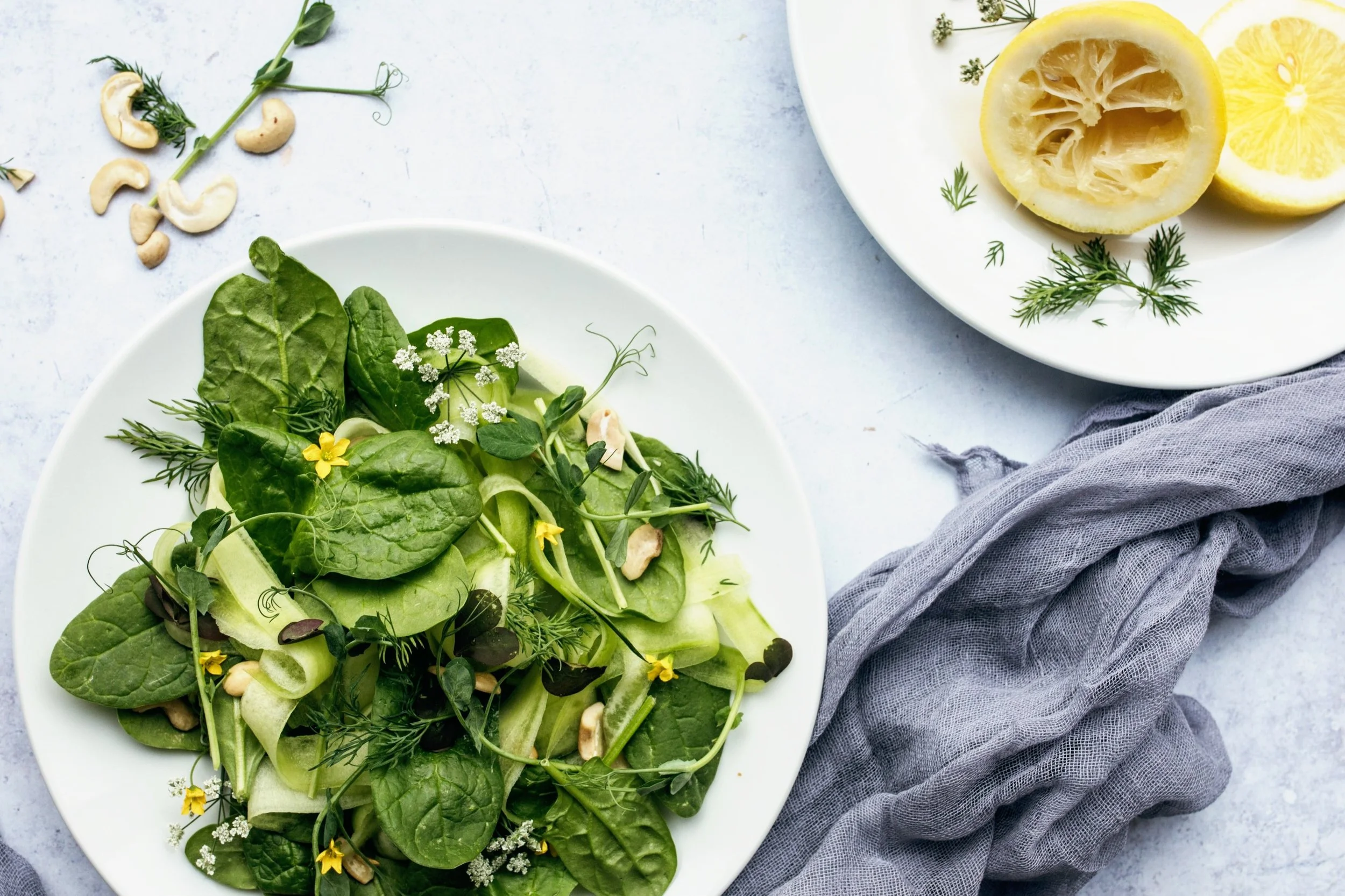
Photo by Heather Barnes on Unsplash
As more people embrace plant-based diets for various reasons, it is crucial to understand the importance of essential nutrients in maintaining optimal health. You may wonder how to get enough of these nutrients without consuming animal products. Fortunately, with some planning and awareness, you can meet your daily vitamin B12, calcium, and iron requirements in a plant-based diet.
Vitamin B12
The Energy Booster Vitamin B12 is vital for forming red blood cells, DNA, and nerve function. It also helps convert food into energy, which is essential for maintaining overall energy levels. Unfortunately, vitamin B12 is primarily found in animal products, and vegans may struggle to get enough of this crucial nutrient. However, fortified cereals, plant-based milk, and nutritional yeast are excellent sources of vitamin B12. You can also take supplements to ensure you're meeting your daily needs.
Calcium
The Bone Builder Calcium is essential in building strong bones and teeth, muscle function, and nerve signaling. While dairy products are the primary source of calcium in the Western diet, plant-based foods such as tofu, leafy greens, and fortified plant-based milk are excellent alternatives for meeting your daily calcium needs. Aim to consume at least 1000 mg of calcium daily.
Iron
The Oxygen Carrier Iron is a vital nutrient that helps transport oxygen throughout the body, maintaining healthy blood cells and preventing anemia. While meat is an excellent source of iron, plant-based sources such as legumes, fortified cereals, and leafy greens can also provide adequate amounts of this essential nutrient—pair iron-rich foods with vitamin C-rich foods such as citrus fruits or tomatoes to boost iron absorption.
Other essential nutrients
In addition to vitamin B12, calcium, and iron, it's also important to pay attention to other essential nutrients critical for good health. These include protein, omega-3 fatty acids, zinc, and vitamin D. While it's possible to obtain these nutrients from plant-based sources, it's essential to ensure that you're getting enough of them to support your body's needs.
Protein
Protein is a vital nutrient crucial in building and repairing tissues, maintaining muscle mass, and supporting immune function. While meat and dairy products are rich in protein, plant-based sources such as beans, lentils, tofu, and nuts are also excellent sources of this essential nutrient. Aim to consume a variety of protein-rich plant foods throughout the day to meet your daily protein needs.
Omega-3 fatty acids
Omega-3 fatty acids are essential for brain function, heart health, and reducing inflammation. While fatty fish such as salmon and tuna are rich in omega-3s, plant-based sources such as chia seeds, flaxseeds, and walnuts are also excellent sources of this essential nutrient. Consider incorporating these plant-based sources into your diet to boost your omega-3 intake.
Zinc
Zinc is essential in immune function, wound healing, and DNA synthesis. While oysters and beef are rich in zinc, plant-based sources such as legumes, nuts, and whole grains are also excellent sources of this essential nutrient. Ensure you're getting enough zinc by consuming a variety of plant-based sources throughout the day.
Vitamin D
Vitamin D is a crucial vitamin that is necessary for bone health, immune function, and reducing inflammation. While the primary source of vitamin D is sunlight, plant-based sources such as fortified plant-based milk, mushrooms, and fortified cereals can also provide this essential nutrient. However, obtaining enough vitamin D from food alone can be challenging, so consider taking supplements or getting regular sun exposure to meet your daily needs.
By incorporating a variety of nutrient-dense plant foods into your diet and paying attention to these essential nutrients, you can optimize your health and vitality while enjoying all the benefits of a plant-based lifestyle. They significantly affect how you feel, function, and thrive on your plant-based journey. So, go ahead and experiment with different plant-based foods, get creative with your meals, and nourish your body with the power of plants. Your health and well-being will thank you!
In conclusion, a plant-based diet can provide all the essential nutrients your body needs for good health and vitality. You can optimize your health and well-being on a plant-based lifestyle by paying attention to crucial nutrients such as vitamin B12, calcium, iron, protein, omega-3s, zinc, and vitamin D. Remember to consume a variety of nutrient-dense plant foods, get creative with your meals, and supplement when necessary to ensure you're getting enough of these essential nutrients. With some planning and awareness, you can thrive on a plant-based diet and enjoy all its health benefits.