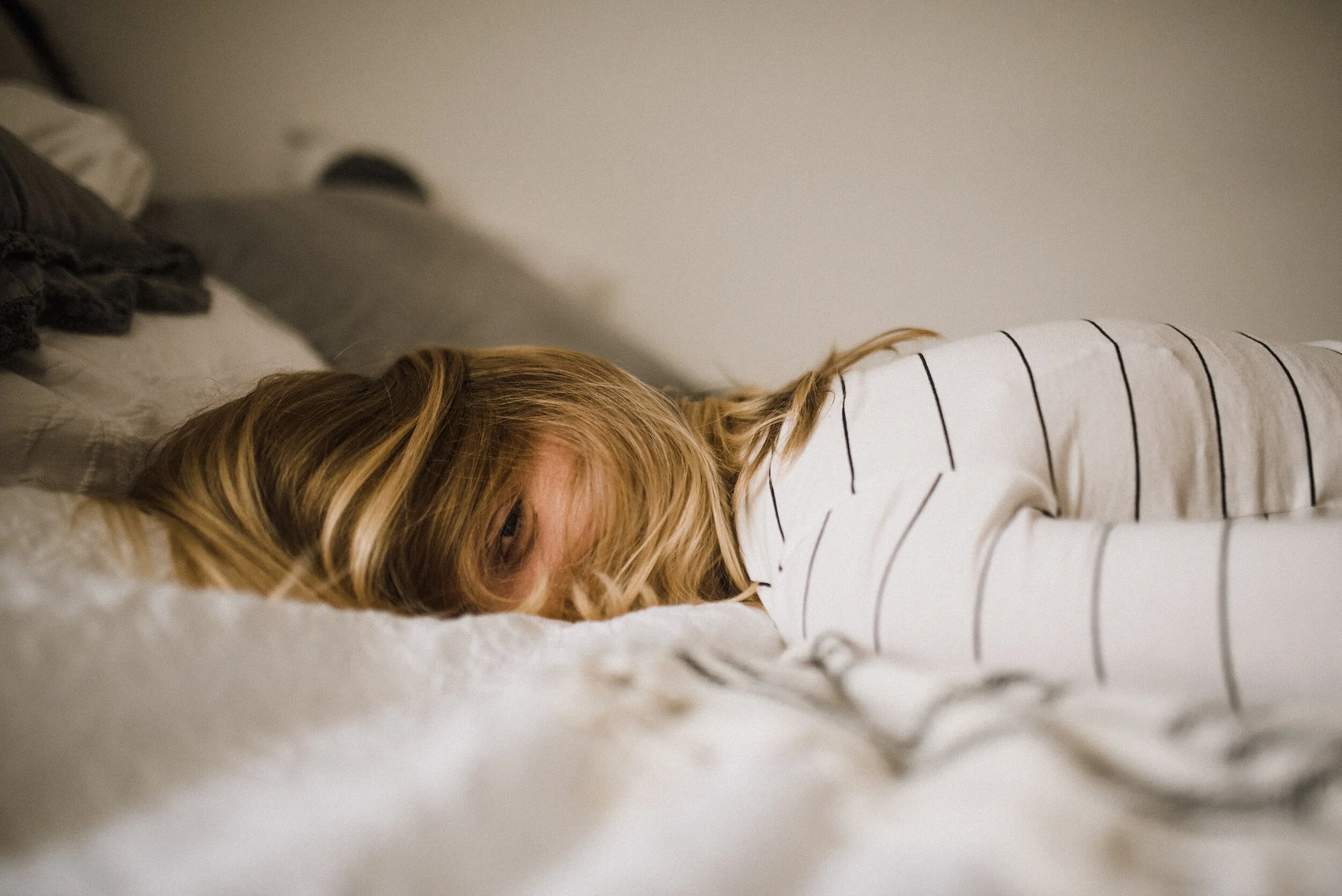
Photo by Kinga Cichewicz on Unsplash
In short: PMS is linked to the natural shift in your hormones in the days before your period, and what you eat and how you live can make that week much gentler. Steady meals with plenty of vegetables, whole grains and healthy fats, less salt, sugar, alcohol and caffeine, regular movement, good sleep and less stress all help. Small habits kept up all month work better than a big effort in the last few days.
It’s a few days before your period. Your jeans feel tight although nothing has changed. A harmless remark from someone at home makes you snap, or brings you close to tears. You’re tired by mid-afternoon, you could eat the whole bar of chocolate, and you lie awake at night for no clear reason. Then your period arrives and, almost overnight, you feel like yourself again.
Premenstrual syndrome, or PMS, can feel as if it comes out of nowhere. It’s different for every woman, and it can be different for you from one month to the next. You don’t have to let it hold you back from everyday life. Here’s what you can do to feel better.
What is PMS, and why does it happen?
PMS is the name for the physical and emotional changes that show up in the week or two before your period and ease once it starts. Bloating, tender breasts, headaches, tiredness, irritability, low mood, cravings and poor sleep are among the most common.
Shifting hormones are usually behind it. In the second half of your cycle, your oestrogen and progesterone rise and then fall, and that change touches other messengers in your body too, including serotonin, which has a lot to do with your mood. When it dips, you can feel flat, anxious or easily irritated.
Your hormones don’t work in isolation. They respond to how you eat, sleep, move and cope with stress, and that’s where you have some influence. I’ve written more about this in six daily habits that support your hormones.
What should you eat to ease PMS?
You may notice more cravings around your period, and some foods calm PMS while others make it worse. Smart food choices all month long, and especially in the days when your symptoms are at their height, can bring real relief.
Fill your plate with vegetables and fruit
Focus on leafy greens and eat the rainbow: different colours give your body different nutrients. Kale, turnip greens and Swiss chard are rich in iron and B vitamins, which help with tiredness. Broccoli, cabbage, cauliflower and the rest of that family, together with other fibre-rich foods, help your body process oestrogen.
Choose slow carbs and whole grains
Carbs that release their energy slowly keep your blood sugar steady, and with it your mood and your cravings. Add sweet potatoes, squash, pumpkin, lentils, potatoes and plain oats to your meals, and swap white bread, pasta and rice for wholegrain versions. Whole grains also support your serotonin, which is welcome when you feel low or on edge.
Add healthy fats
Oily fish, avocado, nuts and seeds bring healthy fats, including omega-3, and they keep you full for longer. When you’d normally reach for a bag of crisps, try a small handful of unsalted nuts: walnuts, almonds, pecans or hazelnuts. They’re also lovely sprinkled over a salad.
Go easy on salt
Less salt often means less bloating. Like sugar, salt hides in a thousand places, mostly in ready meals and packaged food. Home-made meals put you back in charge of how much goes in, and herbs, spices and lemon juice give plenty of flavour.
Look after your gut with fermented foods
Some of your gut bacteria help your body break down oestrogen and clear what it no longer needs. A healthy gut is a real ally in the second half of your cycle. Natural yoghurt, kefir, sauerkraut and other fermented foods are an easy way to feed it.
Drink plenty of water
It sounds odd, but drinking more helps with water retention and bloating, and it keeps your digestion moving. If plain water bores you, add slices of lemon, lime or cucumber. Don’t be afraid to get creative. Being well hydrated also lifts your mood and energy.
Cut back on sugar, alcohol and caffeine
Sugar gives you a quick lift and then drops you lower than before, which is the last thing you need on a shaky day. If sweet cravings are your main struggle, you’ll find ideas in my article on calming sugar cravings.
A glass of wine is tempting when you want to relax, but alcohol disturbs your sleep, and you may sleep badly or far too much. Caffeine does the same and can make you feel more jittery. Keep your coffee for the morning and have your last cup well before the evening.
Which vitamins and minerals matter, and where do you find them?
A few nutrients come up again and again when we talk about PMS. I prefer to start with food, because it brings them together in a form your body knows how to use.
Vitamin B6 plays a part in making the messengers that shape your mood and sleep, and it helps your body use magnesium. You’ll find it in chickpeas, fish, poultry, potatoes and bananas.
Magnesium helps muscles relax, including the muscle of the womb, which is why it’s linked to easier cramps. Leafy greens, nuts, seeds, pulses, whole grains and dark chocolate all contain it.
Calcium is linked to steadier moods. Good sources are yoghurt and cheese, sardines with their bones, almonds and green vegetables.
Vitamin D helps your body absorb calcium. It’s found in sardines, salmon, oysters and eggs, and your skin makes it in daylight.
Vitamin and mineral needs are very individual. If you’re wondering about a supplement or a herbal remedy, ask your doctor or pharmacist before you start. They can check what you need and whether it fits with any medication you take.
Does exercise help with PMS?
Yes, and it doesn’t have to be hard. Moving several times a week gets your blood flowing, lifts your mood and can ease bloating, constipation, headaches and cramps. It also helps you cope better with discomfort.
Always listen to your body and how you feel. On a good day you might enjoy a brisk walk, a swim or a bike ride. On a heavy day, a quiet walk or some gentle yoga is a good choice. The thing to remember is that you can adapt your routine to how you’re feeling, and that every bit of movement counts.
Why are sleep and stress so important before your period?
Sleep is one of the most powerful tools you have against tiredness, anxiety and low mood. A good night shapes how you feel the next day. In the days before your period, your body can respond less well to melatonin, the hormone that sets your sleep and wake rhythm, so sleep becomes lighter just when you need it most. A regular bedtime, a darker and cooler bedroom and a calm last hour of the evening all help your body find its rhythm.
Stress upsets your hormones and leaves you drained, so it makes every PMS symptom feel bigger. Noticing your stress is the first step. Movement, meditation, breathing, yoga and other relaxation techniques can all bring it down. Even a few slow breaths before you answer that annoying message make a difference.
Try this for your next cycle
Note in your diary when your symptoms usually start. Knowing that the difficult days are coming makes them less of a surprise, for you and for the people around you.
Plan simpler evenings for that week, and say no to one thing you don’t have to do.
Cook a pot of lentil or vegetable soup in advance, so a warm, steadying meal is ready when you’re tired.
Keep nuts and fruit within reach for the afternoon. If that’s when your energy drops, read about the afternoon energy dip.
Go to bed a little earlier and leave your phone outside the bedroom.
Be kind to yourself. You aren’t being difficult: your body is asking for a bit more care.
Frequently asked questions
Which foods help most with PMS?
Meals built around vegetables, especially leafy greens, with whole grains, pulses, nuts, seeds, oily fish and other healthy fats. They keep your energy and mood steadier and give your body the vitamins and minerals it draws on in the second half of your cycle. Eating this way all month matters more than changing everything in the last few days.
Why do I crave sugar and chocolate before my period?
Your hormones shift in the days before your period, and your mood and energy often dip with them. Your body looks for something quick and comforting. Regular meals with protein, healthy fats and slow carbs take the edge off, and a little dark chocolate enjoyed slowly is perfectly fine.
Should I take supplements for PMS?
Vitamin and mineral needs are very individual, so I prefer to start with food. If you are thinking about a supplement or a herbal remedy, ask your doctor or pharmacist first. They can check what you really need and whether it fits with any medication you take.
Is it better to rest or to exercise when I have PMS?
Both have their place. Gentle movement such as walking, yoga or swimming often eases bloating, cramps and low mood. On the days you feel truly tired, do less and rest without guilt. Let how you feel decide.
When should I talk to my doctor?
Talk to your doctor if your pain is severe or keeps you from your normal activities, if your bleeding is very heavy or your periods change suddenly, or if your mood symptoms disrupt your work, your relationships or your daily life. Feeling very low, anxious or hopeless before each period deserves proper medical attention. If you ever have thoughts of harming yourself, seek help straight away.
Would you like some help?
Eating in a way that steadies your hormones, your energy and your mood is one of the things we work on in my group programmes in nutrition and health, such as Six Tuesdays in Montignac. If you’d like to hear when the next group opens, write to me at hello@catherinepolet.coach.
Would you rather work one to one? I also coach online. Book a free 20-minute call, and we’ll look together at your month, your meals and the habits that could make the days before your period easier.
About Catherine
I’m Catherine Polet, a holistic nutrition health coach, yoga and autogenic training teacher for more than 30 years, author and speaker. I help people find a way of eating and living that suits their own body, online in English, French, Spanish and German, and in person in Southwest France.