

In short: Dry brushing, or garshana, is an Ayurvedic morning ritual: a few minutes of brushing your dry skin with a natural bristle brush before you shower. It lifts away dead skin, brings a rosy warmth to the surface and leaves you feeling awake. Start at your feet, brush upward toward your heart with light strokes, shower, then moisturise. Leave out any skin that’s sore, broken or irritated.
The alarm has gone off, the bathroom is chilly and you’re still half asleep. You turn on the shower and wait for the water to warm up. Those two minutes are all you need for a very simple morning ritual.
What is dry brushing?
Dry brushing, or garshana, is an Ayurvedic ritual done in the morning. It’s a massage of the whole body with a dry brush with firm bristles, on dry skin, before washing. No oil, no water, no product. Just you and the brush.
What does it do, and how does it feel?
Brushing the skin while it’s dry exfoliates it: the brush lifts away the dead cells on the surface, without taking moisture from the skin the way the hot water of the shower does. Your skin feels smoother straight away.
The brushing also brings blood to the surface. You’ll see a light pink colour and feel a pleasant warmth and tingling. And it wakes you up: all those small strokes stimulate the nerve endings in the skin, so you feel invigorated afterwards. Many people find it does more for their morning than a second coffee.
You’ll read much bigger claims about dry brushing elsewhere. It’s better to keep to what you can see and feel for yourself: softer skin, a healthy glow and a body that feels awake and cared for.
How do you dry brush?
1. Choose your brush
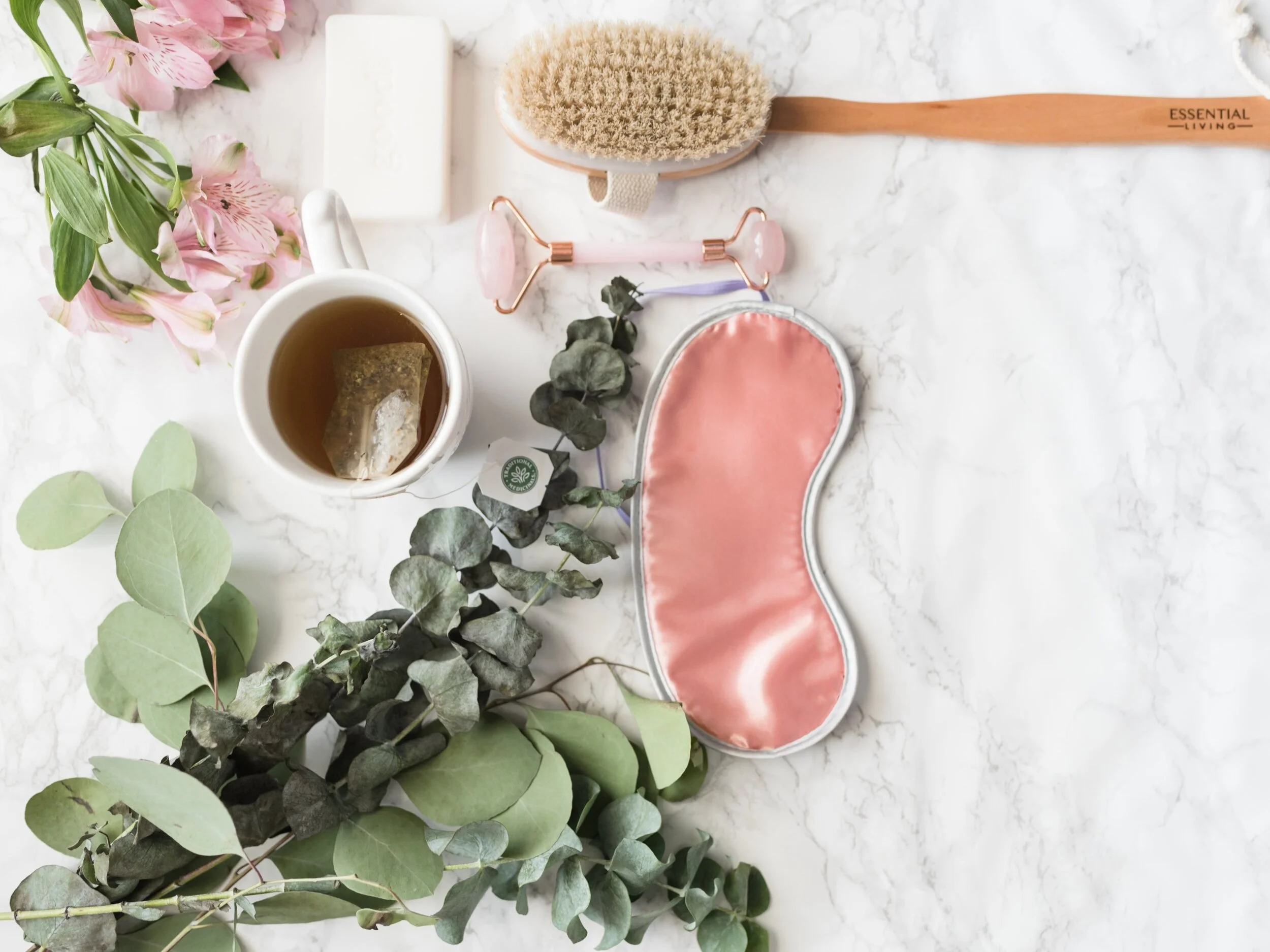
I recommend a brush with natural, firm bristles, preferably with a long handle. It makes it much easier to reach places like your back.
2. Stand in the shower
You’ll be lifting off dead skin cells, so stand in the shower itself, before you turn the water on, or in the bath. Your skin and the brush should both be completely dry.
3. Start at your feet and brush upward
Always start at your feet and brush upward, toward the heart. Use small upward strokes, or work in circles. Go up your legs, then continue onto your back.
4. Arms and stomach
For your arms, begin at the hands and work upward in the same way. On your stomach, use circular movements in a clockwise direction. The skin of the stomach and breasts can be sensitive, so lighten the pressure as much as you need.
5. Finish with the neck and upper chest
Here the skin is more delicate, so be extra gentle. This is the one place where you leave the bottom-up rule, because you’re above the heart: start at the jawline and move down toward your chest. End with a few light circles over your heart.
6. Keep it short and light
A few overlapping strokes on each area are enough. If you stay on one spot too long or press too hard, you can irritate the skin or even scratch it. The pressure should feel pleasant, never painful. Your skin may turn slightly pink. It shouldn’t be red or sore.
7. Shower, then moisturise
Shower straight afterwards to rinse away what you’ve loosened. Then moisturise while your skin is still damp: an oil or a cream seals in the water from your shower. Freshly brushed skin takes up what you put on it more readily, so choose a product with simple, good-quality ingredients.
When is the best time?
In the morning. Dry brushing is energising, so it belongs at the start of the day much more than at bedtime. It slips easily into a morning routine, because it happens while the shower warms up. If mornings are too rushed during the week, keep it for your Sunday self-care routine.
It’s also a quiet moment of attention for your body. You go over every part of it, including the parts you usually ignore or criticise, and you treat them kindly. That’s a small step towards a kinder relationship with your body.
What if you have sensitive skin?
Go very gently, with a softer brush and lighter strokes, and start with two or three times a week to see how your skin responds.
Never brush over skin that is infected, red, irritated or inflamed, or over cuts, scrapes, sores, rashes or sunburn. Leave out any area where the skin is fragile or where veins are raised and tender. And stop dry brushing if your skin becomes irritated or inflamed. This ritual is meant to feel good. If it doesn’t, it isn’t for you, and that’s fine.
Soft skin starts on the inside too
A brush takes care of the surface. What keeps your skin supple from day to day is what you eat and drink: plenty of water through the day, more when it’s hot or when you’re active, colourful vegetables and fruit, and healthy fats. I’ve written about this in how hydration transforms your skin, and about drinking enough in general in how staying hydrated helps your mood and energy.
Frequently asked questions
How often should I dry brush?
Traditionally it is done once a day, in the morning. If your skin is fine or you are just starting, two or three times a week is a good way in. Let your skin decide: if it looks or feels irritated, do it less often and more lightly.
Which brush should I choose?
A brush with natural bristles and, ideally, a long handle so you can reach your back. Bristles are usually quite firm. If your skin is delicate, choose a softer brush or use a dry flannel to begin with. Wash the brush with a little soap now and then and let it dry completely.
Does dry brushing get rid of cellulite or detox the body?
I would not promise you that. Brushing makes the skin smoother and rosier for a while, and it feels wonderfully invigorating, which is reason enough to enjoy it. Cellulite is perfectly normal and no brush removes it, and clearing waste is the work of your liver and kidneys.
Can I dry brush my face?
Not with a body brush. The skin of the face is much finer. Keep the body brush for the body, and stop at the neck and upper chest with a very light hand.
When should I talk to my doctor?
Ask your doctor or dermatologist before you start if you have eczema, psoriasis or another skin condition, very fragile skin, varicose veins, or if you take medication that thins the blood or makes your skin bruise easily. Never brush over moles that are raised or changing, and have those checked.
Would you like some help?
Small rituals that help you feel at home in your body go hand in hand with eating well, and both are part of my group programmes in nutrition and health, such as Six Tuesdays in Montignac. If you’d like to hear when the next group opens, write to me at hello@catherinepolet.coach.
Would you rather work one to one? I also coach online. Book a free 20-minute call, and we’ll talk about the daily habits that would help you start your mornings feeling well.
About Catherine
I’m Catherine Polet, a holistic nutrition health coach, yoga and autogenic training teacher for more than 30 years, author and speaker. I help people find a way of eating and living that suits their own body, online in English, French, Spanish and German, and in person in Southwest France.

