Vitamin K
Vitamin K is a fat-soluble vitamin best known for its role in blood clotting — in fact, the “K” comes from the German word Koagulation. Without it, a simple cut wouldn’t stop bleeding. It also plays an important part in keeping bones strong.
What does vitamin K do?
It comes in two main forms, each with its own speciality:
K1 (from plants) is the one mainly responsible for blood clotting, so wounds heal properly
K2 (from fermented and some animal foods) is more involved in bone health, helping direct calcium to where it belongs
Your gut bacteria also make some K2 for you.
Which foods are rich in vitamin K?
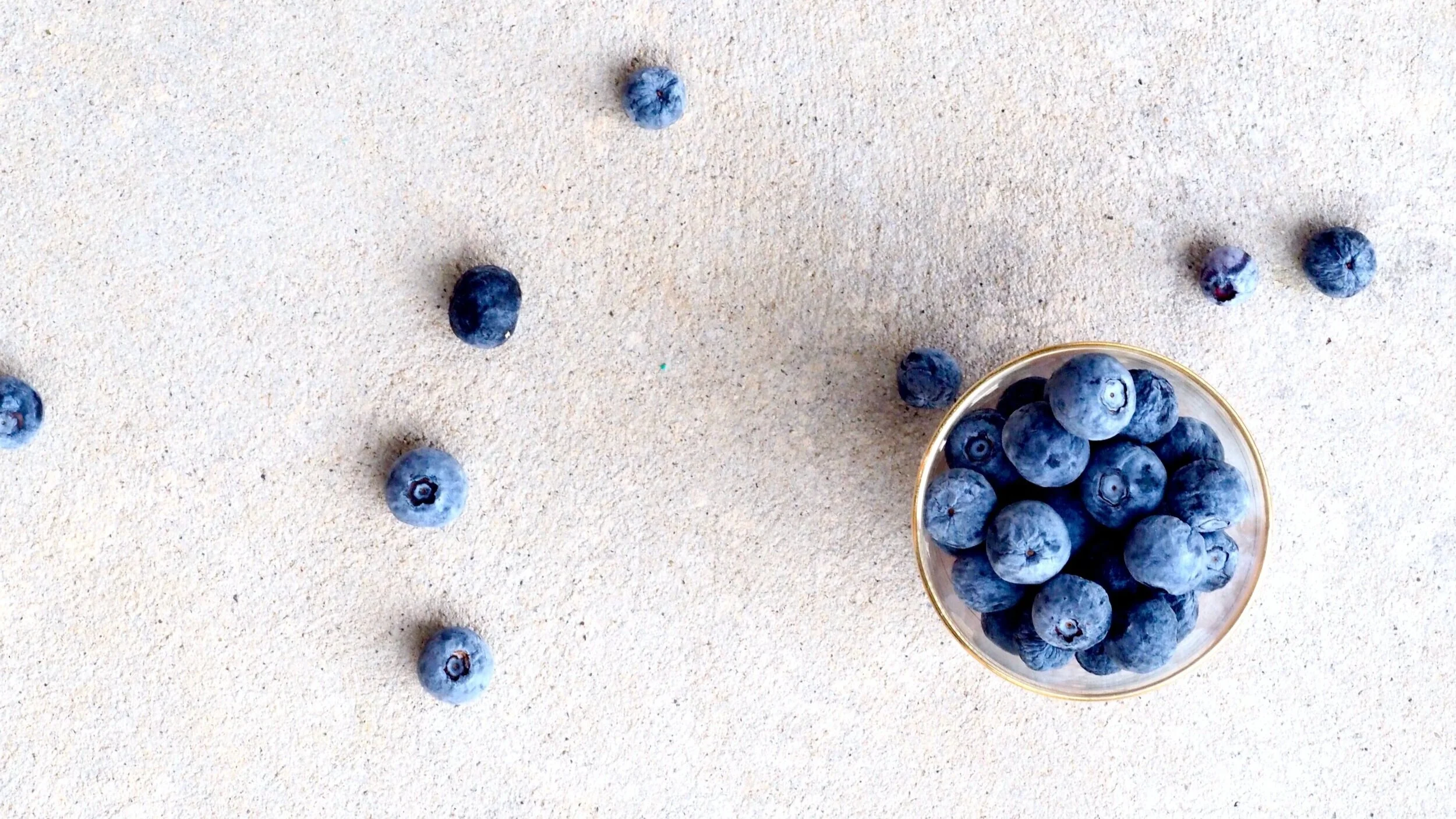
Leafy green vegetables are the stars — kale, spinach, broccoli and other greens are packed with K1, with blueberries and a few other plants chipping in too. The K2 form is found in fermented foods (like natto), some cheeses and egg yolks.
Can you have too little — or too much?
Deficiency is rare in adults (newborns are given vitamin K routinely, as they're born with very little). One genuinely important point: vitamin K affects how blood-thinning medication such as warfarin works. If you take a blood thinner, don’t make big changes to how many greens you eat without talking to your doctor first — consistency is what matters.
Common questions
What does vitamin K do? It’s essential for blood clotting (K1) and supports healthy bones (K2).
I take blood thinners — should I avoid vitamin K? Not necessarily, but keep your intake steady and speak with your doctor, since vitamin K interacts with these medicines.
This is general information to help you eat well, not medical advice. If you have a specific concern, your doctor is the best person to help.