Vitamin E
Vitamin E is a fat-soluble vitamin and one of the body’s key antioxidants. Its main job is protection — it defends your cells, and especially their delicate membranes, from damage.
What does vitamin E do?
Acts as an antioxidant, neutralising the free radicals that age cells
Protects cell membranes throughout the body
Works as a team with vitamins C and A, helping to protect them from oxidation
Supports the immune system and looks after the skin — which is why it’s a common skincare ingredient
Which foods are rich in vitamin E?
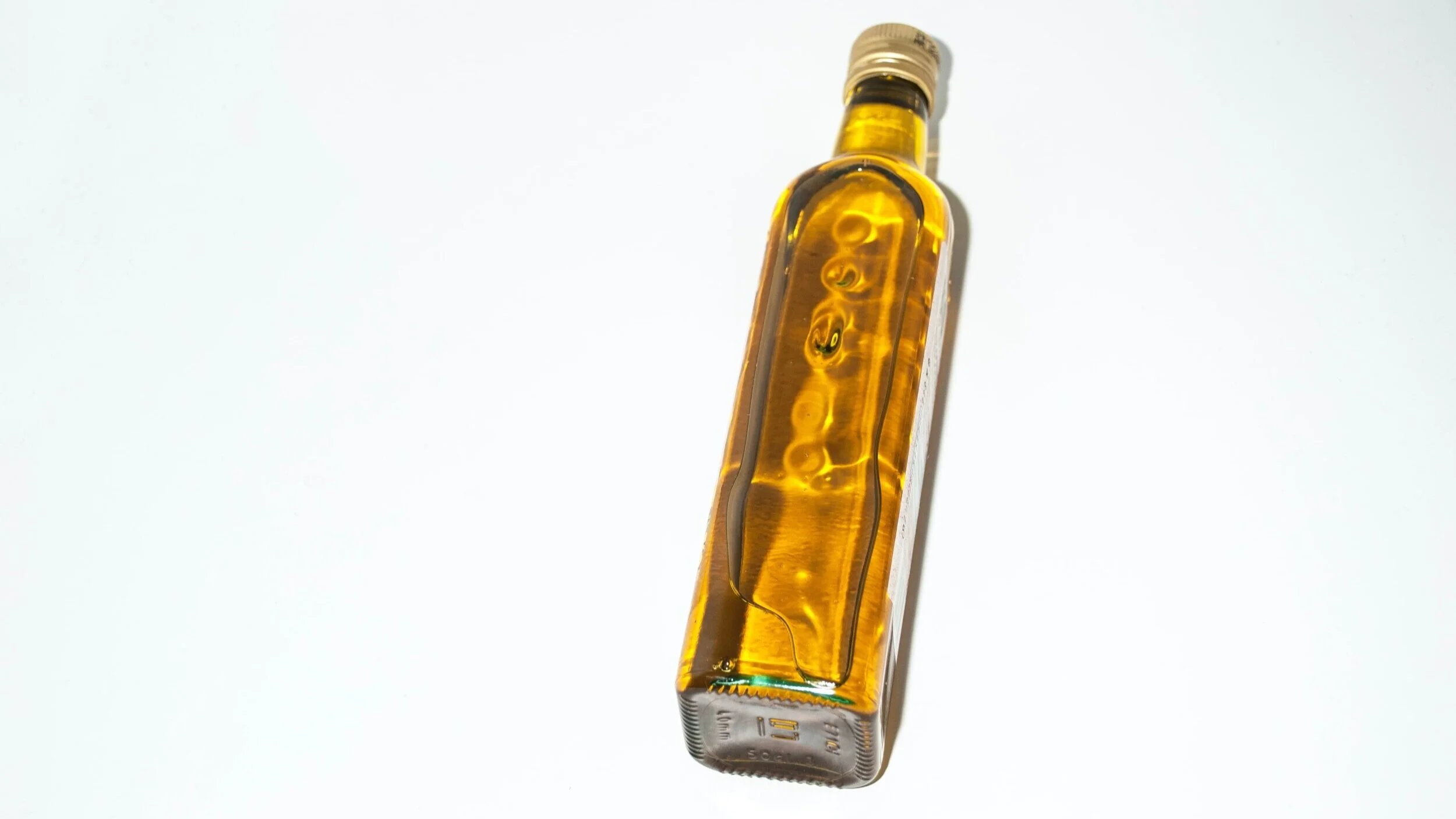
Vegetable oils (wheatgerm, sunflower, olive), nuts and seeds (sunflower seeds and almonds especially), avocado, spinach and other leafy greens are all good sources. Because it’s fat-soluble, the healthy fats in these foods help your body absorb it. A fun aside: vitamin E is so good at preventing fats from going rancid that it's used as a natural food preservative (listed as E306–E309).
Can you have too little — or too much?
Deficiency is rare. You won’t get too much from food, but high-dose supplements aren’t recommended — large amounts can interfere with blood clotting — so food remains the safest source.
Common questions
Is vitamin E good for skin? It helps protect skin cells from damage, which is why it's so widely used in skincare.
Which foods are highest in vitamin E? Sunflower seeds, almonds, vegetable oils, avocado and leafy greens.
This is general information to help you eat well, not medical advice. If you have a specific concern, your doctor is the best person to help.