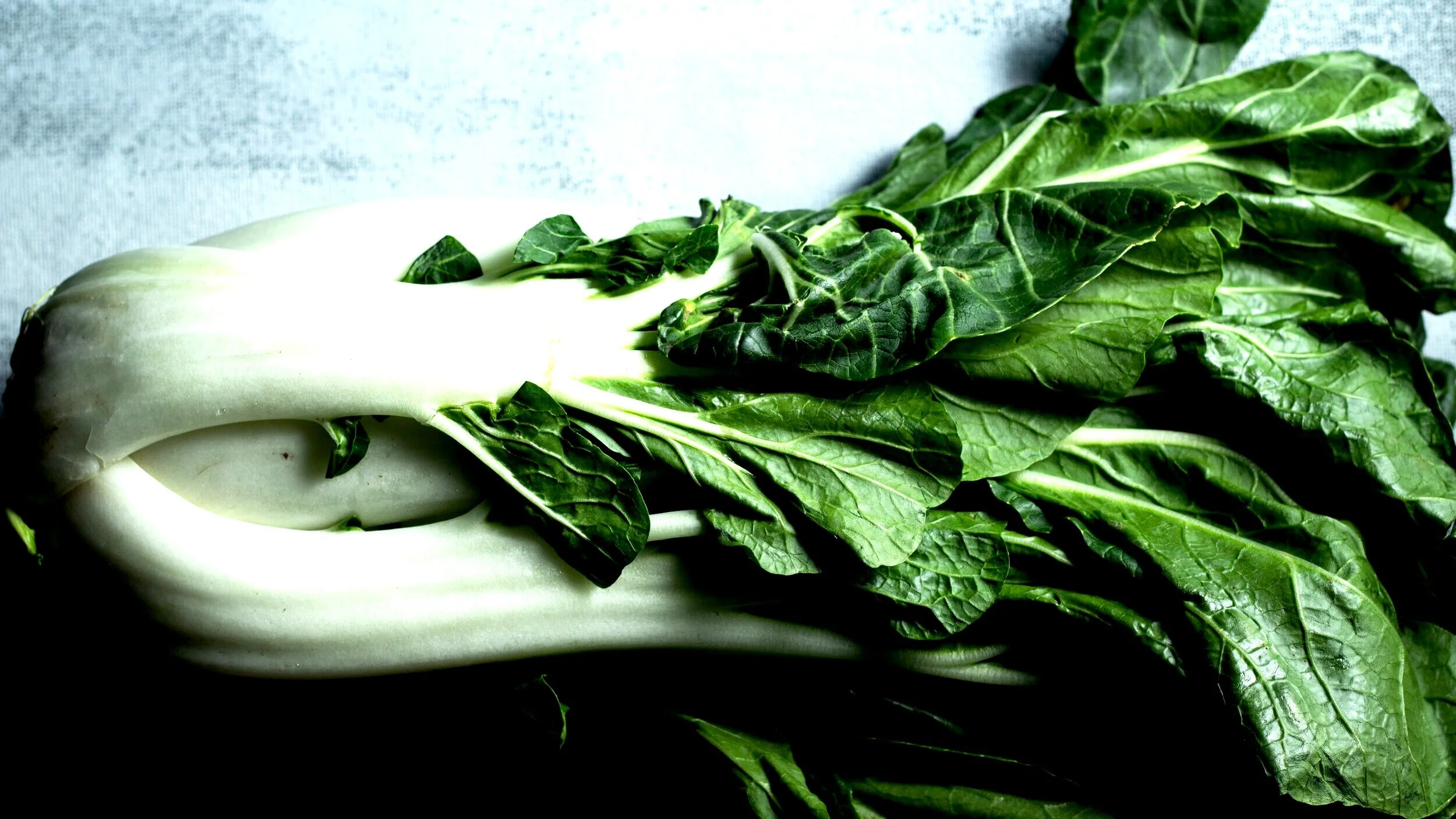
Calcium
Calcium is the most abundant mineral in your body, and almost all of it lives in your bones and teeth, where — alongside phosphorus and magnesium — it provides structure and strength. But the small amount circulating elsewhere is just as vital: it keeps your muscles, nerves and heartbeat working smoothly.
What does calcium do?
Builds and maintains strong bones and teeth
Helps muscles contract — including your heart
Supports nerve signalling and blood pressure
Plays a role in blood clotting
A key partnership to know: your body needs vitamin D to absorb calcium properly, so the two work hand in hand.
Which foods are rich in calcium?
Dairy foods like milk, yoghurt and cheese are the best-known sources (hard cheeses are the most calcium-dense of all), but there are plenty of others: fortified plant milks, leafy greens such as kale and broccoli, tinned fish eaten with the bones (sardines), calcium-set tofu, almonds and sesame seeds or tahini.
Can you have too little — or too much?
Over time, too little calcium can weaken the bones and raise the risk of osteoporosis — something especially worth attention for women after menopause and for older adults. Too much, usually from high-dose supplements, can contribute to kidney stones.
Here’s a holistic point worth making, though: in dairy-heavy Western diets, calcium intake usually isn’t the real gap. More often it’s magnesium (which your body needs in order to use calcium) and vitamin D that fall short — so rather than reaching for a calcium supplement, it’s usually wiser to look after your magnesium and vitamin D, and your overall balance of fruit and vegetables. Except in specific cases (such as a real osteoporosis risk), and after speaking to your doctor, calcium supplements often aren’t the answer.
Common questions
Can I get enough calcium without dairy? Yes — fortified plant milks, leafy greens, tofu, tinned fish and seeds all provide it.
Do I need a calcium supplement? Often not — for many people, magnesium and vitamin D matter more. It’s worth discussing with your doctor rather than supplementing by default.
This is general information to help you eat well, not medical advice. If you have a specific concern, your doctor is the best person to help.