Vitamin B2 — Riboflavin
Vitamin B2, or riboflavin, is a water-soluble vitamin that helps your body release energy from the food you eat. Your body can make a tiny amount, but not enough — and it isn’t stored, so you need a steady supply from your meals.
Its name tells its story: “ribo” from the sugar ribose, and “flavin” from the Latin flavus, meaning yellow — a nod to its colour. It was first isolated from milk in 1933, which earned it the early name lactoflavin. That same yellow is why any excess simply leaves the body in your urine, tinting it bright yellow — completely harmless. It’s even used as a natural food colouring (E101).
One handy thing about riboflavin: it stands up well to heat and cold, so cooking and freezing don’t really destroy it. Light is what it doesn’t like — which is why milk keeps its riboflavin best stored away from bright light.
What does vitamin B2 do?
Riboflavin forms two key “helper” molecules — coenzymes called FAD and FMN — that your cells use to turn food, especially fats, into energy. Beyond that, it:
Releases energy from the nutrients you eat
Supports your cells — their growth, development and everyday function
Acts as an antioxidant, helping recycle glutathione, one of the body’s own protective compounds
Works alongside folate, supporting important processes like methylation
Which foods are rich in vitamin B2?
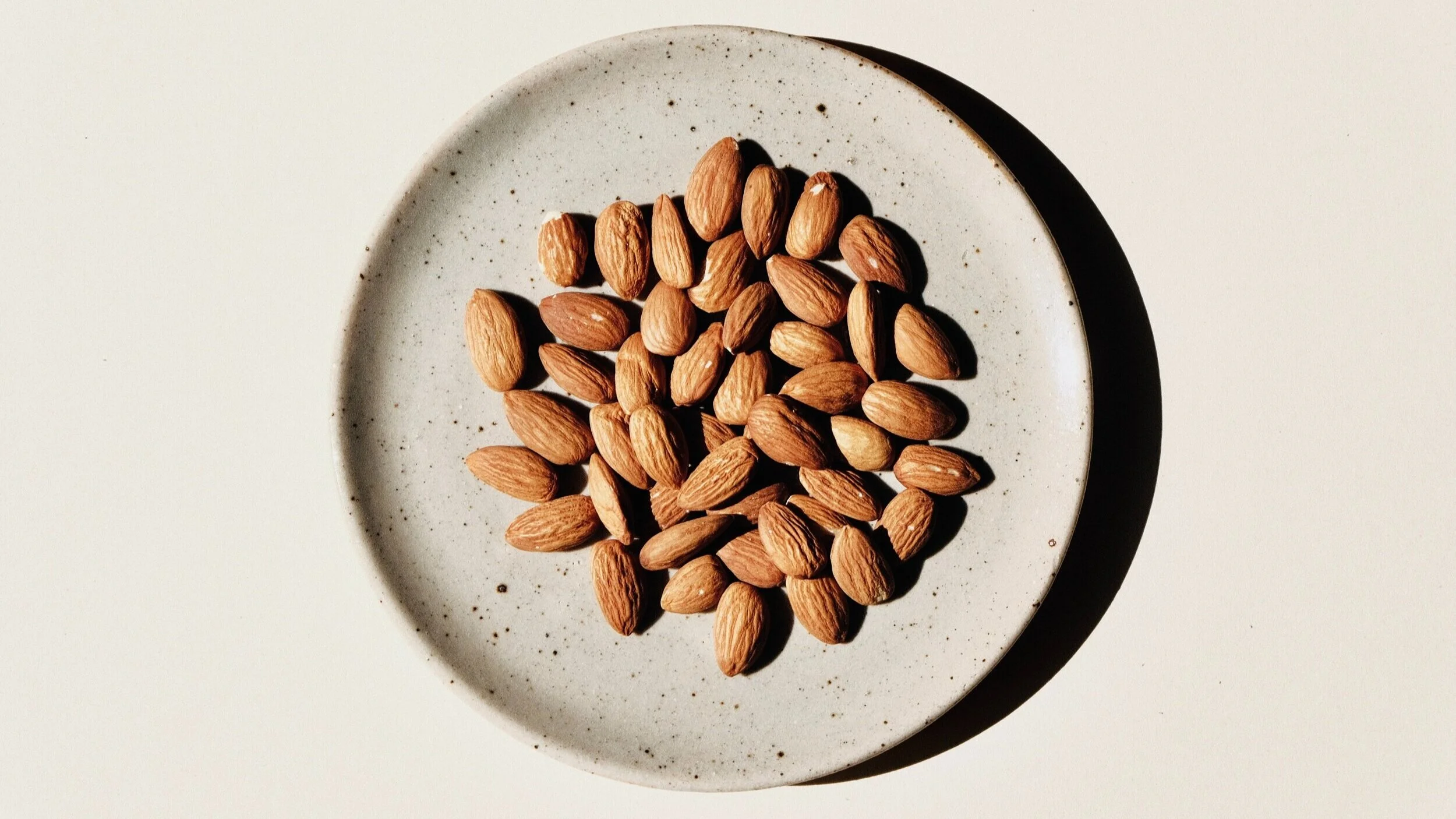
Animal foods tend to be richest, and in a form that’s easy to absorb. Liver is the runaway champion — a 100 g serving can hold several times a day’s worth. Other good sources include eggs, cheese, red meat, organ meats and fish like salmon. On the plant side, almonds lead the way, followed by sesame seeds, mushrooms, seaweed and wheatgerm.
How much do you need, and who needs more?
Adults need roughly 1.6 mg a day. Some people need more — athletes, pregnant women, older adults, smokers, those who drink regularly, and people eating mostly plant-based, since riboflavin from plants is a little harder to absorb.
Can you have too little — or too much?
Both are uncommon. Excess isn’t a worry — being water-soluble, whatever you don’t need is passed out. Serious deficiency is rare too, since riboflavin turns up in so many everyday foods, but if you're in one of the higher-need groups above, it’s worth making sure you’re getting enough.
Common questions
Why does vitamin B2 turn urine bright yellow? Riboflavin is a naturally yellow pigment, so any amount your body doesn’t use is simply passed out in the urine — harmless and normal.
Does cooking destroy riboflavin? Very little — it’s stable to heat and cold. Light is what degrades it, which is why milk is best kept out of bright light.
This is general information to help you eat well, not medical advice. If you have a specific concern, your doctor is the best person to help.