Vitamin B1 — Thiamin
Vitamin B1, also called thiamin, is a water-soluble vitamin — your body doesn’t store it, so you need a little from your food each day. Its main job is turning the carbohydrates you eat into energy, which is why it’s so closely tied to how energetic you feel.
A bit of history: thiamin was discovered in the late 1800s while researchers were trying to understand beriberi, a serious disease once widespread in parts of Asia. They traced it to diets built around polished (husked) rice — because the thiamin lives in the husk that was being removed. It was one of the first clues that a tiny missing nutrient could have huge effects.
What does vitamin B1 do?
It works as a coenzyme — a helper molecule — in the reactions that release energy from carbohydrates. Beyond that, it:
Powers your energy — helps convert carbohydrates into fuel your cells can use
Supports your nervous system — helps your nerves signal properly
Steadies mood and memory — plays a part in keeping both on an even keel
In short, it sits right at the junction of energy and a well-functioning nervous system.
Which foods are rich in vitamin B1?
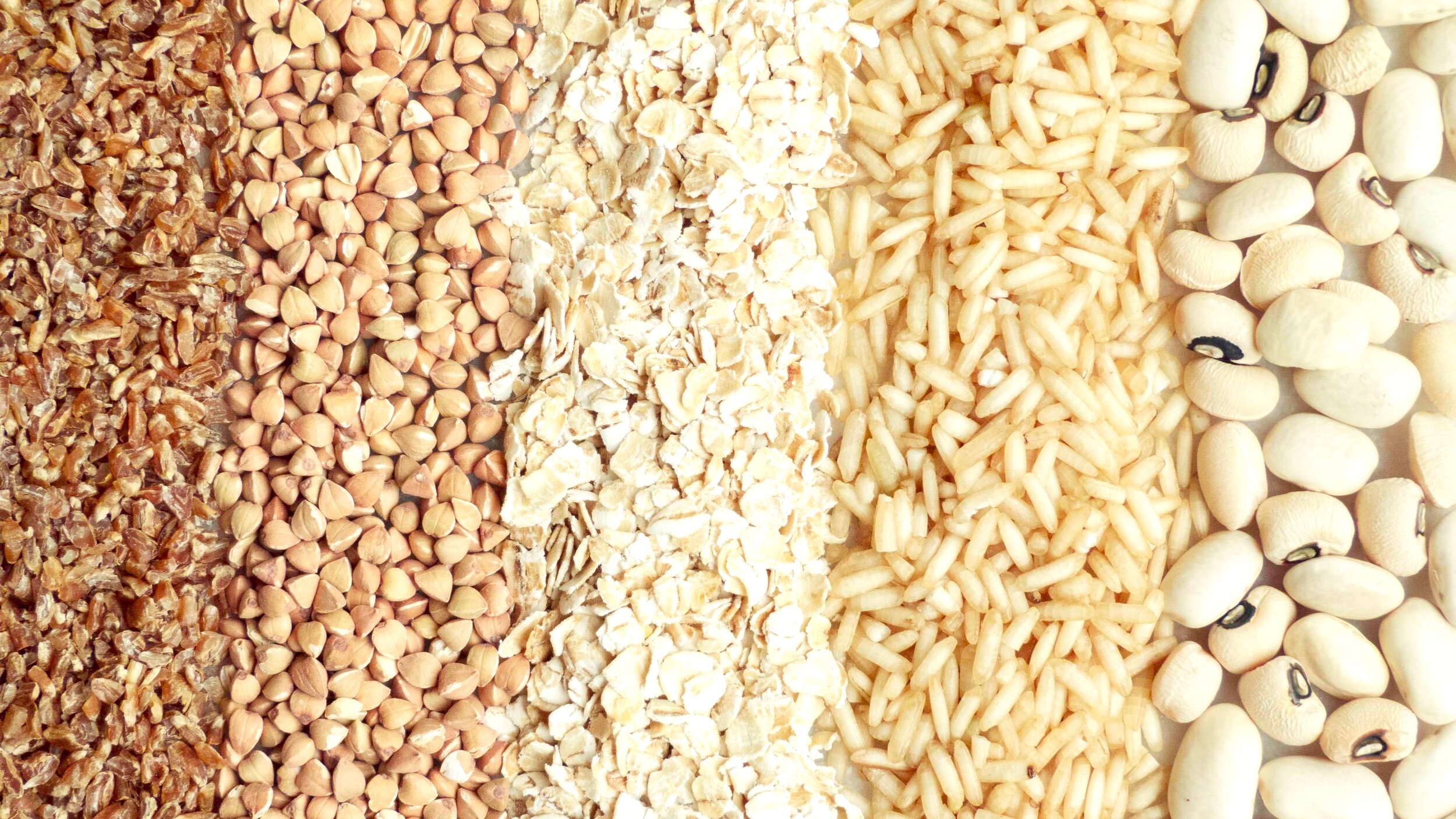
Good sources include whole grains and brown rice, oats and barley, pulses like beans and lentils, nuts such as walnuts, hazelnuts and pistachios, and brewer’s yeast. Pork is one of the richest sources of all. Refining and milling strip thiamin away, which is why whole, less-processed grains are the better bet.
Can you have too little — or too much?
Too much is very unlikely — because thiamin is water-soluble, your body simply passes out what it doesn’t need. Deficiency is the thing to watch: it’s more likely on a diet heavy in refined grains and sugar, and needs are higher for athletes and during pregnancy. A serious, prolonged shortage causes beriberi, which is why a varied, whole-food diet matters.
Common questions
What does vitamin B1 do in the body? It helps turn carbohydrates into energy and keeps the nervous system working properly.
Which foods have the most thiamin? Whole grains, brown rice, oats, pulses, nuts and pork — with whole, unrefined foods richer than processed ones.
This is general information to help you eat well, not medical advice. If you have a specific concern, your doctor is the best person to help.