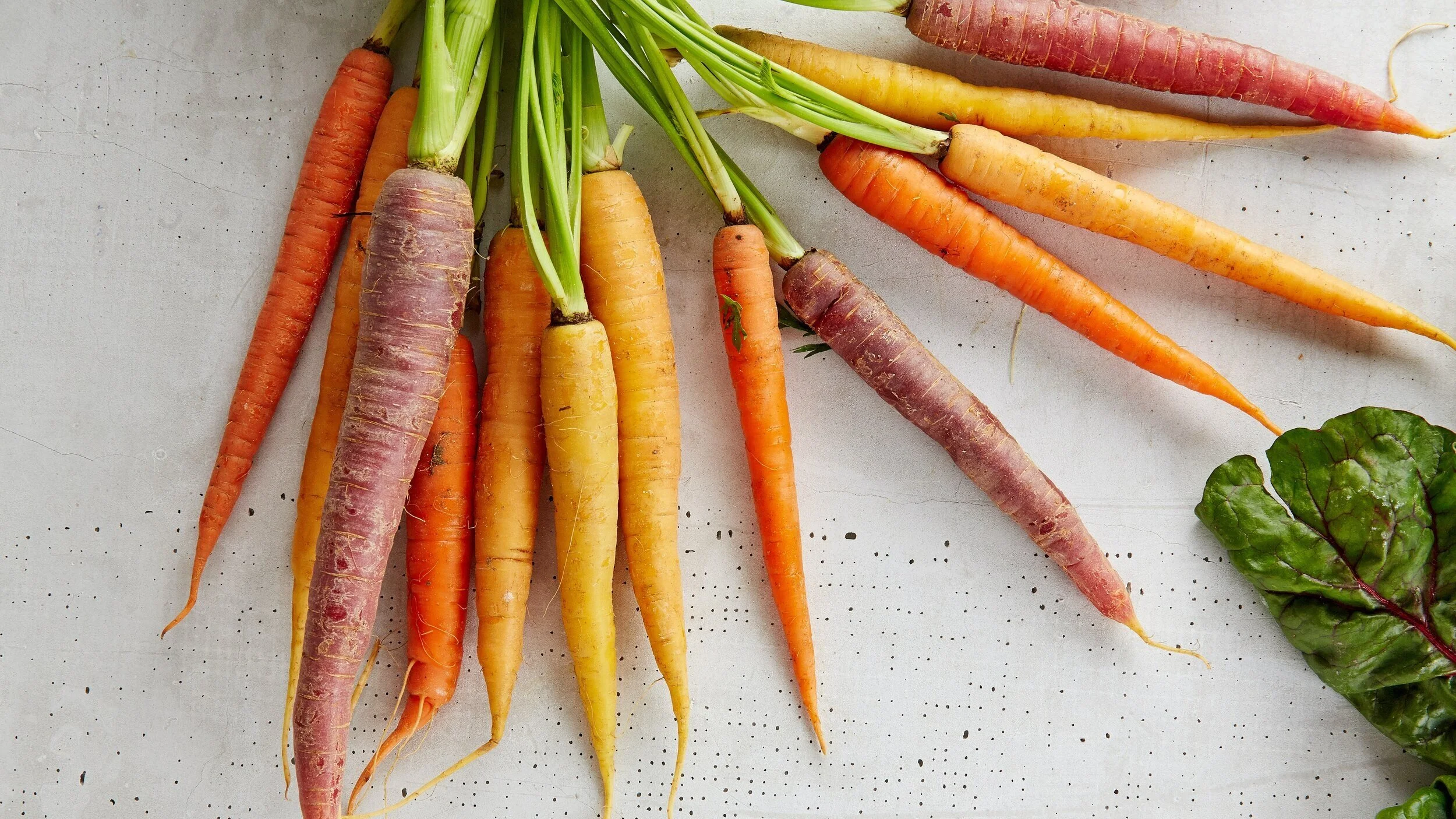
Vitamin A
Vitamin A is a fat-soluble vitamin, which means your body stores it in the liver and fat tissue — so you don’t need a perfect amount every single day. It’s best known for protecting your eyesight, but it quietly supports your immune system, your skin, and the healthy growth of your cells and bones too.
A little history: vitamin A was the very first vitamin to be discovered — which is exactly why it got the letter A. It was first isolated from the retina of the eye, which is how it earned its other name, retinol.
What does vitamin A do?
Vision is its headline act — it helps your eyes work properly, especially in low light. But it does much more:
Supports a healthy immune system
Keeps your skin and the body’s other linings (eyes, gut, lungs) healthy
Plays an important role in the growth of bones and cells
It's the reason children a century ago were so often given a spoonful of cod liver oil — it's wonderfully rich in vitamin A.
The two forms of vitamin A
You can get vitamin A in two ways. Retinol comes ready-made from animal foods. Beta-carotene comes from colourful plants, and your body converts it into vitamin A as it needs it. Beta-carotene has a bonus: it’s also an antioxidant, helping to protect your cells — something retinol itself doesn’t do.
Which foods are rich in vitamin A?
From animal foods (retinol): butter, eggs, milk, cheese, liver and offal. From plants (beta-carotene): carrots, sweet potatoes, apricots, mango, red peppers, spinach, lamb's lettuce, parsley, leeks and dark leafy greens. As a rule of thumb, the deeper the colour, the more it contains.
One simple tip makes a real difference: beta-carotene is absorbed far better with a little fat. A plate of grated carrots on its own gives you much less than the same carrots with a drizzle of olive or rapeseed oil.
Can you have too little — or too much?
A true deficiency is rare where diets are varied. The more useful thing to know is about excess: because your body stores it, high doses of retinol (usually from supplements, or a lot of liver) can build up and become harmful. This matters most in pregnancy — too much vitamin A while pregnant or trying to conceive has been linked to birth defects, so it’s worth being mindful of supplements then.
Beta-carotene from food doesn’t carry that risk. The most that tends to happen is a harmless orange tint to the skin (called carotenoderma), which fades once you ease off the carrots.
Common questions
Can I get enough vitamin A from plants alone? Yes — colourful vegetables and leafy greens supply beta-carotene, which your body converts into vitamin A as needed.
Why is vitamin A good for skin? It helps keep skin and the body’s linings healthy, which is partly why it's such a popular skincare ingredient.
This is general information to help you eat well, not medical advice. If you have a specific concern — especially during pregnancy — your doctor is the best person to guide you.