Vitamin B3 — Niacin
Vitamin B3, also known as niacin, is a water-soluble vitamin involved in turning the food you eat into energy. Your body can even make a little of its own from protein, but it still relies on a regular supply from your meals.
Its importance was learned the hard way: a serious lack of niacin causes pellagra, a disease once known by its “four Ds” — dermatitis, diarrhoea, dementia and, untreated, death. A vivid reminder of how much a single nutrient can matter.
What does vitamin B3 do?
Niacin forms two essential helper molecules (NAD and NADP) that hundreds of reactions in the body depend on. In practice, it:
Releases energy from carbohydrates, fats and proteins
Supports the nervous system and healthy brain function
Keeps skin and the digestive lining healthy
Helps maintain normal fats and cholesterol in the blood
Which foods are rich in vitamin B3?
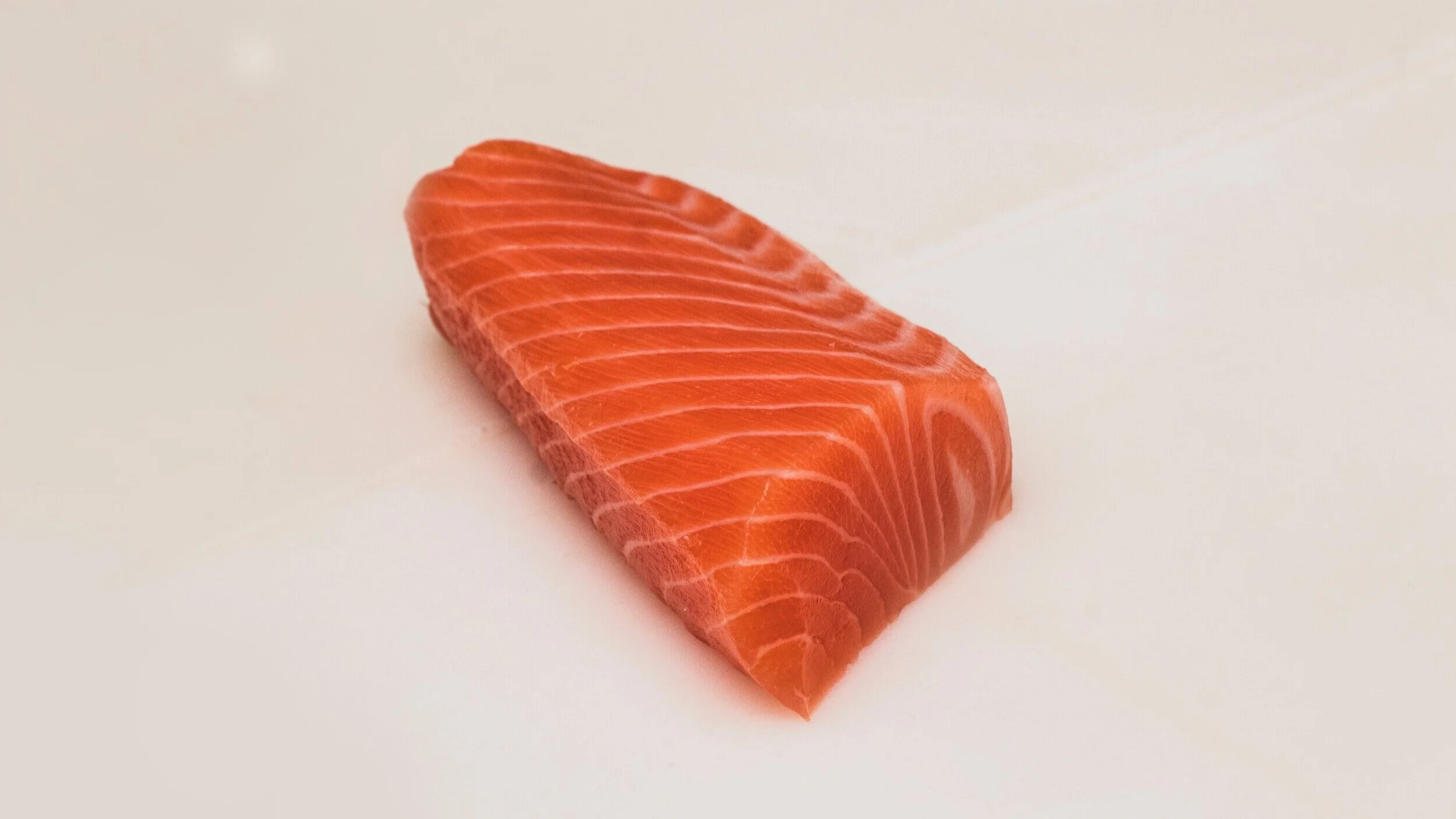
Good sources include meat, poultry and fish (tuna and salmon especially), along with peanuts, whole grains, brown rice, legumes and mushrooms. Because your body can also make niacin from the protein in your food, a diet with enough protein helps top up your supply.
Can you have too little — or too much?
True deficiency (pellagra) is rare today where diets are varied. Too much won’t come from food — but high-dose niacin supplements can cause a harmless but startling “flush” (warm, red, tingling skin), and stronger doses should only ever be taken under medical guidance.
Common questions
What does niacin do for the body? It helps convert food into energy and supports healthy skin, digestion and the nervous system.
Which foods are highest in niacin? Meat, poultry, fish, peanuts, whole grains and legumes — and protein-rich foods generally.
This is general information to help you eat well, not medical advice. If you have a specific concern, your doctor is the best person to help.