Iron
Iron is a mineral with a vital job: it’s central to haemoglobin, the part of your red blood cells that carries oxygen around your body. When iron runs low, so does your energy — which is why it’s one of the most talked-about nutrients of all.
What does iron do?
Carries oxygen through your blood (in haemoglobin) and stores it in your muscles (in myoglobin)
Supports energy and helps fight fatigue
Aids concentration and a healthy immune system
Which foods are rich in iron?
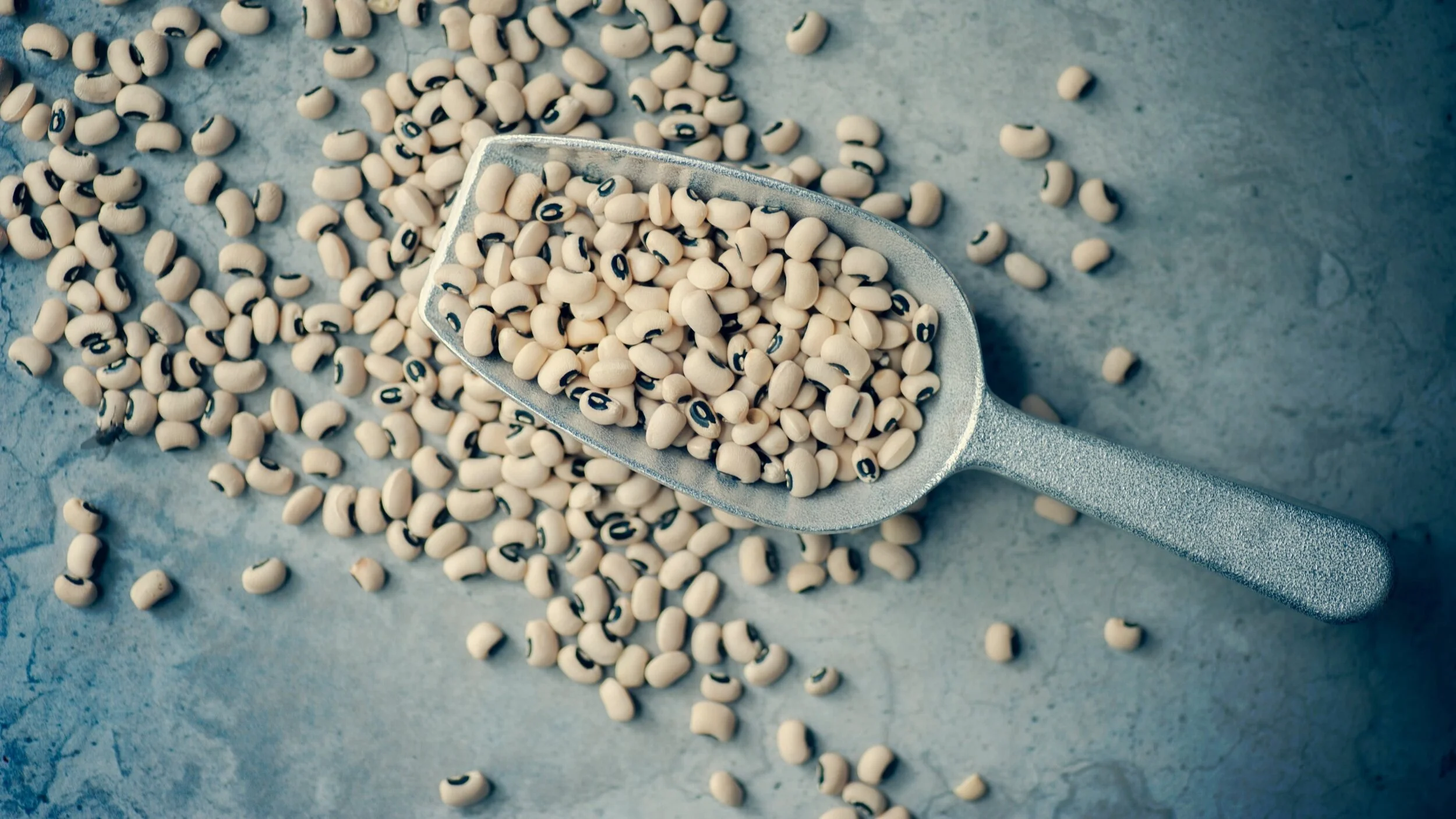
Iron comes in two forms. Heme iron, from animal foods like red meat, liver and shellfish, is the most easily absorbed (roughly 25% of it). Non-heme iron, from plants like lentils, beans, tofu, spinach, pumpkin seeds and fortified cereals, is absorbed far less readily (closer to 5%) — but a clever trick helps: pairing it with a vitamin C-rich food (a squeeze of lemon, some peppers) boosts absorption considerably. Tea and coffee with meals do the opposite, so it’s worth keeping them between meals if your iron is low.
Can you have too little — or too much?
Iron deficiency is common — it can cause tiredness, paleness and breathlessness — and the people most at risk are women who menstruate, those who are pregnant, vegetarians and endurance athletes. Here’s the important part: if you suspect low iron, don’t reach straight for supplements. Too much iron can become a pro-oxidant and do harm, and some people store excess, so the right first step is a simple blood test and a chat with your doctor.
Common questions
What are signs of low iron? Tiredness, pale skin and breathlessness are common — best confirmed with a blood test.
How can I absorb more iron from plants? Pair plant iron with vitamin C, and keep tea and coffee away from mealtimes.
This is general information to help you eat well, not medical advice. If you think your iron may be low, your doctor can test it and advise — it's best not to supplement iron without checking first.