Manganese
Manganese is a trace element needed in small amounts, but it pulls its weight — supporting your bones, your metabolism, and the enzymes that protect your cells from damage. Like copper, it’s an antioxidant in balance but can turn pro-oxidant in excess, so moderation is the theme.
What does manganese do?
Supports bone formation and healthy connective tissue
Works within antioxidant enzymes that defend your cells
Helps your body process carbohydrates, fats and proteins
Helps make vitamins E and B1
Supports wound healing, reproduction and the immune system
Which foods are rich in manganese?
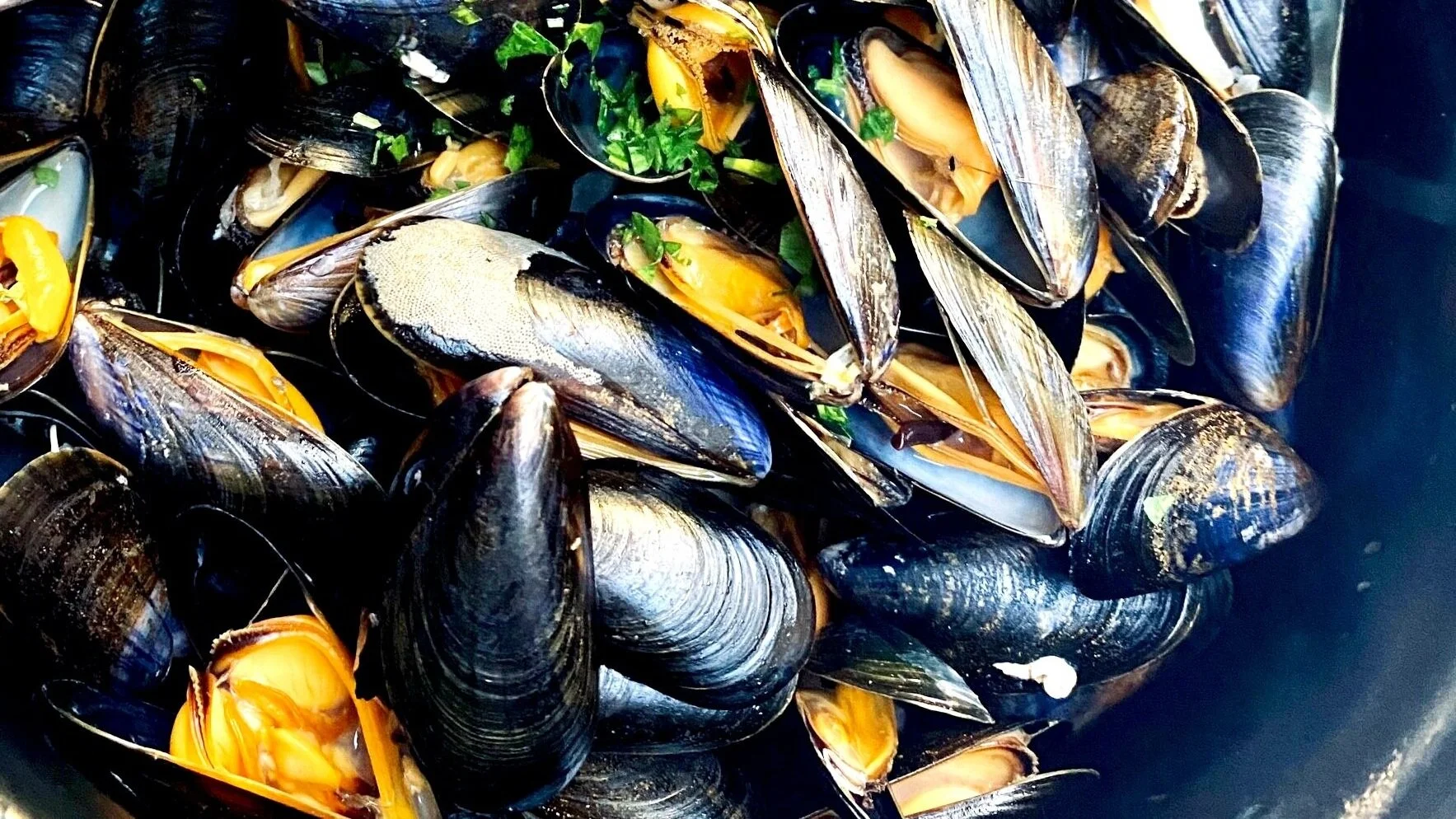
You'll find it in whole grains, nuts, leafy green vegetables, legumes, quinoa, shellfish (clams, oysters, mussels), pineapple, tea and even some spices like black pepper. A varied, plant-friendly diet provides it easily.
Can you have too little — or too much?
Both are uncommon for most people eating a normal diet — manganese is well supplied by everyday whole foods, and there’s no need to supplement it without speaking to a doctor.
Common questions
What does manganese do? It supports bone health, metabolism and your body’s antioxidant defences.
Which foods contain manganese? Whole grains, nuts, leafy greens, legumes, shellfish, pineapple and tea.
This is general information to help you eat well, not medical advice. If you have a specific concern, your doctor is the best person to help.