Iodine
Iodine is a trace element with one crucial job: your thyroid gland needs it to make the hormones that set the pace of your metabolism. Through that, iodine touches your energy, growth and — especially in early life — brain development. Your body can’t store it, so you need a steady supply from food.
What does iodine do?
Makes thyroid hormones, which regulate your metabolism
Supports energy, growth and the nervous system
Is vital for brain development in pregnancy and infancy
Which foods are rich in iodine?
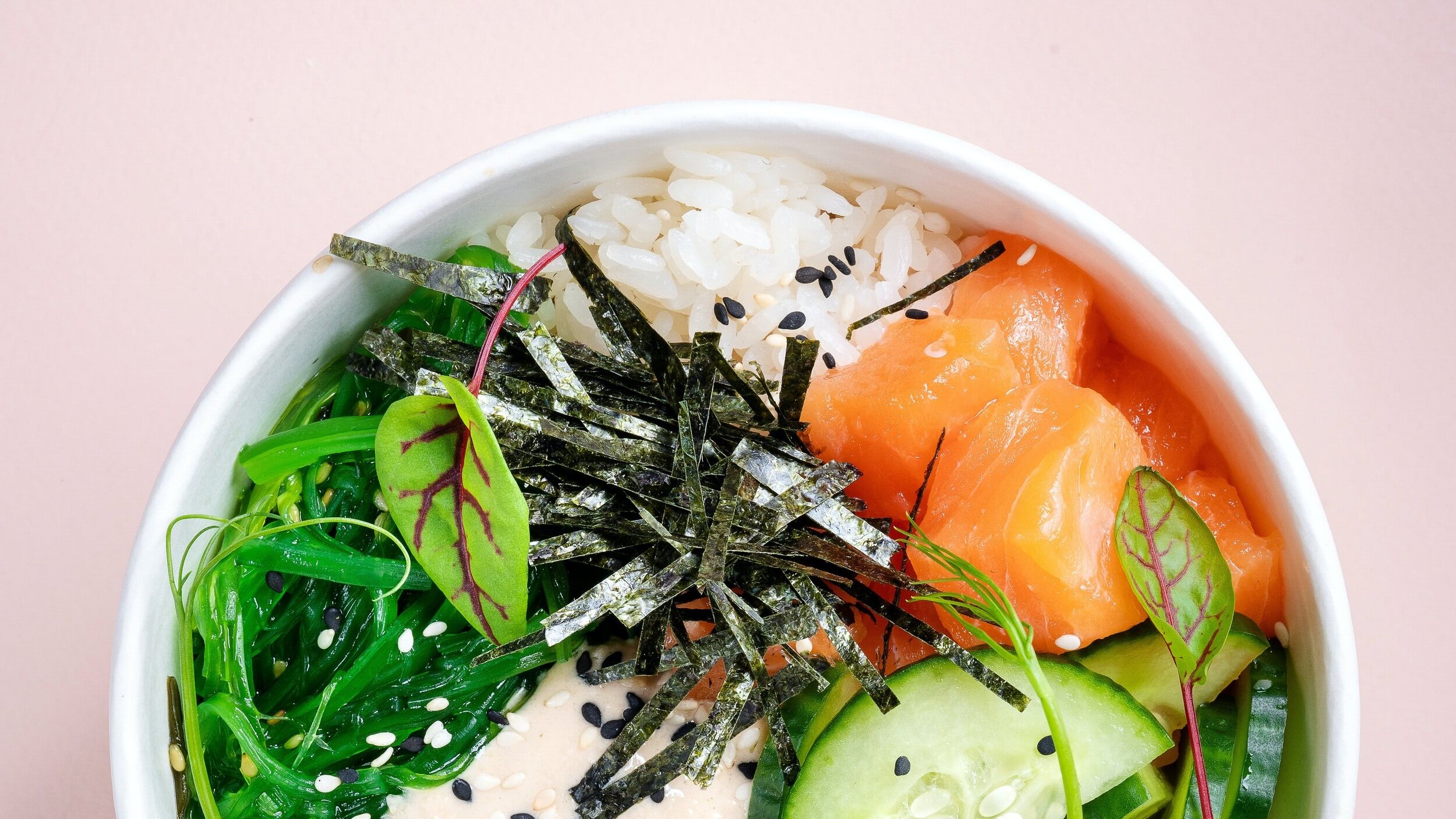
Seafood and seaweed are the standout sources, along with dairy and eggs. Iodised salt is another — but here’s a catch worth knowing: most specialty salts (sea salt, Himalayan salt, fleur de sel, kosher salt) are not iodised, and processed foods rarely use iodised salt either. So if you’ve switched to a fancy salt, you may be getting less iodine than you think — check the label for the word “iodised.” (The iodine in plants also depends on the soil they grew in.)
Can you have too little — or too much?
The thyroid is sensitive to iodine in both directions, so balance matters. People who avoid dairy, fish and iodised salt — including some plant-based eaters — can fall short, and needs rise in pregnancy and around menopause (when the thyroid is more easily disturbed). If you’re pregnant, planning to be, or have any thyroid concern, this is well worth discussing with your doctor.
Common questions
Why do I need iodine? Your thyroid uses it to make the hormones that control your metabolism.
Does Himalayan or sea salt contain iodine? Usually not — most specialty salts aren’t iodised, so check the label if you’re relying on salt for iodine.
This is general information to help you eat well, not medical advice. If you have a specific concern — especially around pregnancy or your thyroid — your doctor is the best person to guide you.