Copper
Copper is an essential trace element — your body needs only a small amount, but it depends on it for some important jobs, from making blood to protecting your nerves.
What does copper do?
Helps form red blood cells and works closely with iron, helping you absorb it
Maintains nerve cells and supports the immune system
Contributes to energy production
Helps make collagen for healthy connective tissue
Acts within antioxidant enzymes — though, in excess, copper can flip and become pro-oxidant, which is one reason balance matters
Which foods are rich in copper?
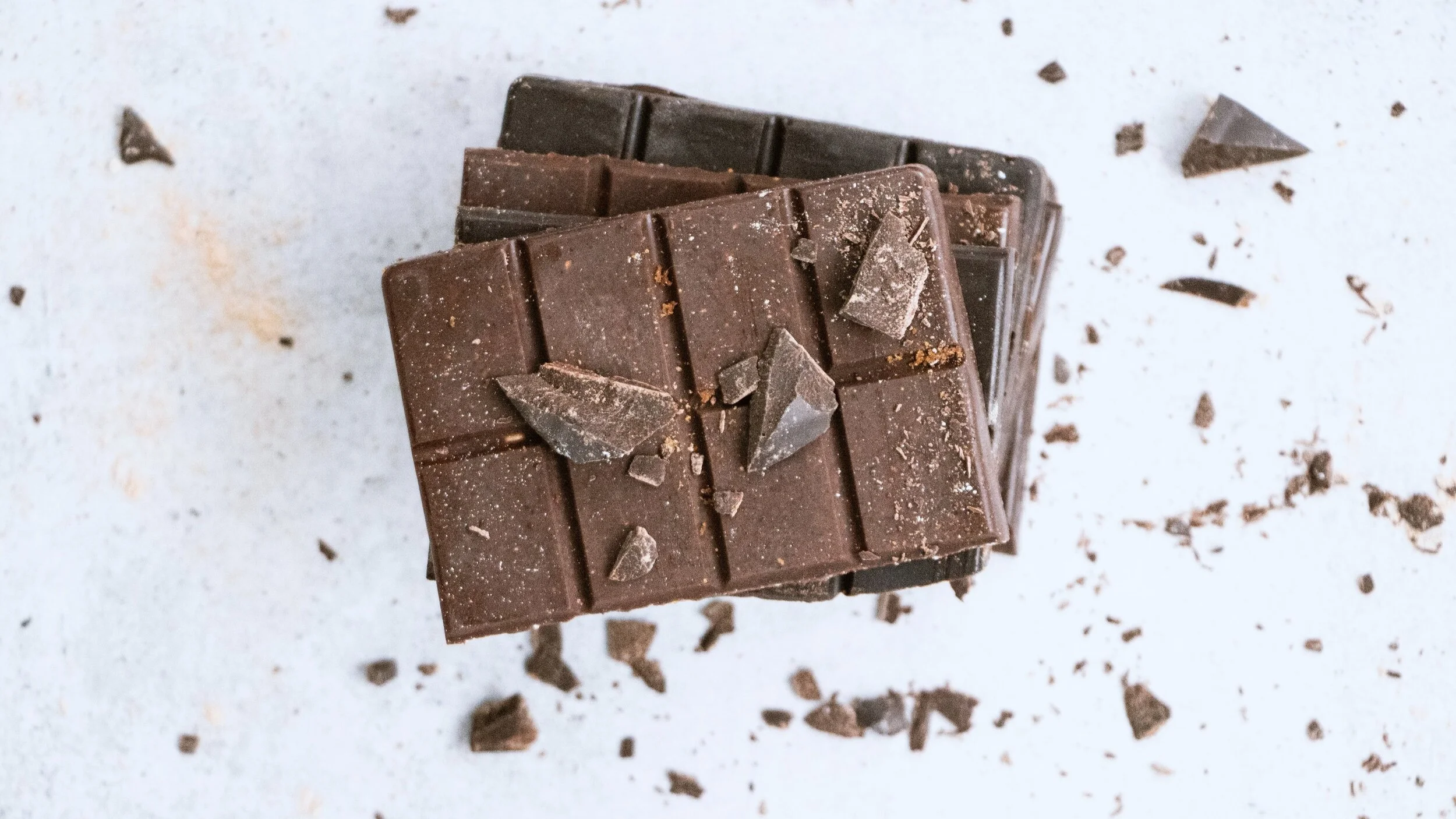
Shellfish, liver and other organ meats are especially rich, along with nuts and seeds, tofu, mushrooms, whole grains, legumes and dark chocolate.
Can you have too little — or too much?
Deficiency is rare with a varied diet. Copper and zinc also balance each other, so very high zinc intakes (usually from supplements) can lower copper over time. As a rule, meet your needs from food first — and if you’re ever considering a supplement, check with your doctor.
Common questions
What does copper do in the body? It helps make red blood cells, supports nerves and immunity, and works alongside iron.
Which foods are high in copper? Shellfish, liver, nuts, seeds, whole grains and dark chocolate.
This is general information to help you eat well, not medical advice. If you have a specific concern, your doctor is the best person to help.