Chromium
Chromium is a trace element — needed only in tiny amounts, but useful all the same. Its best-understood role is helping your body manage blood sugar, although scientists admit the exact mechanism isn’t yet fully understood.
What does chromium do?
Supports the action of insulin, helping keep blood sugar steady
Plays a part in how the body uses carbohydrates and fats
Helps a number of enzyme reactions run smoothly
Which foods are rich in chromium?
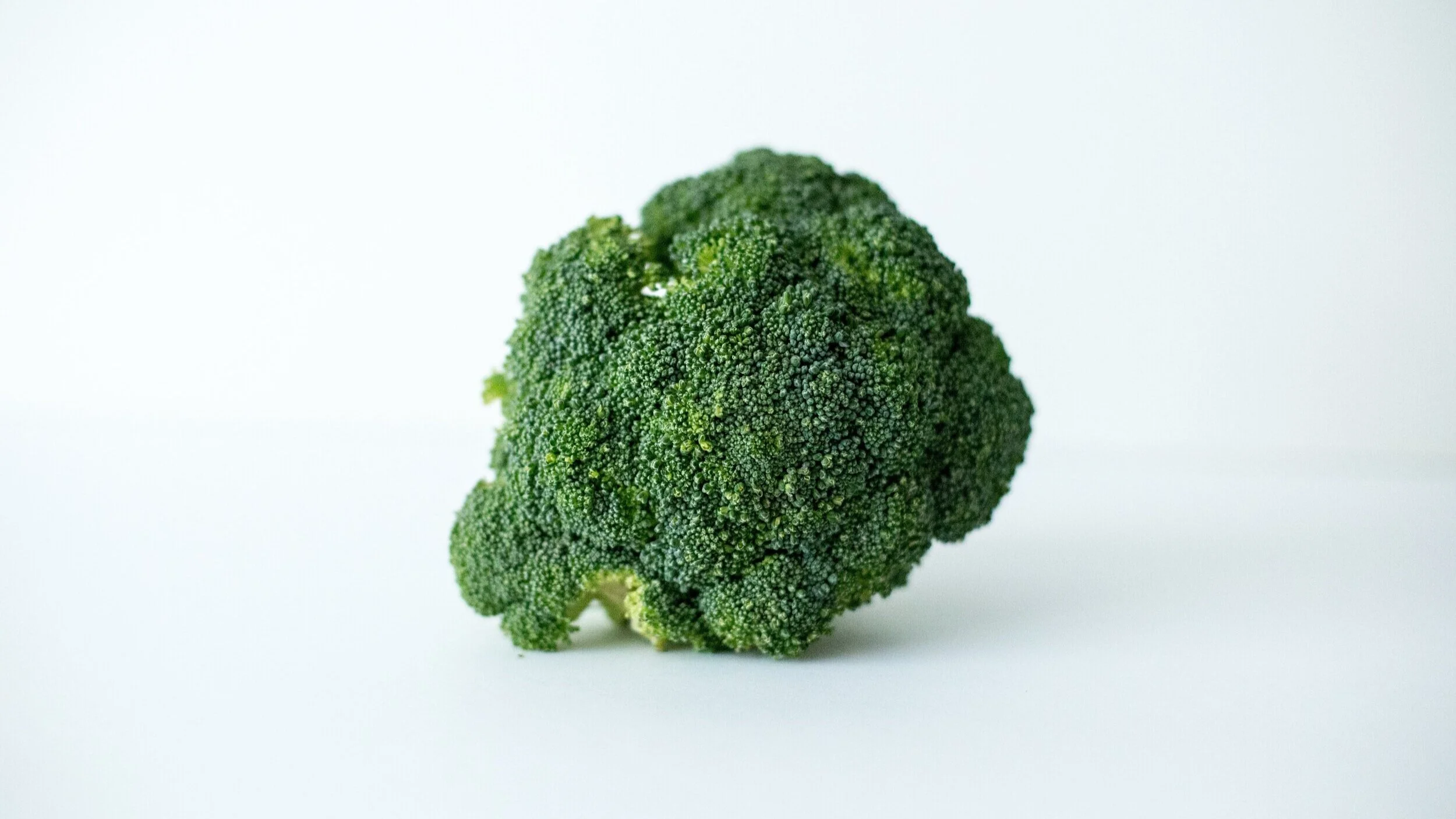
Good sources include broccoli and other cruciferous vegetables, whole grains, nuts, green beans, potatoes, some fruit, meat and brewer’s yeast. A varied, whole-food diet generally provides what little you need.
Can you have too little — or too much?
A true deficiency is rare, and because you need so little, food easily covers it. Some people may have slightly higher needs — including those who eat a lot of refined and sugary foods. There’s no need to chase high-dose supplements; food is the sensible source.
Common questions
What does chromium do? It supports insulin and helps your body keep blood sugar steady.
Which foods contain chromium? Broccoli, whole grains, nuts, green beans, meat and brewer’s yeast.
This is general information to help you eat well, not medical advice. If you have a specific concern, your doctor is the best person to help.