Zinc
Zinc is an essential mineral involved in hundreds of processes in the body. It’s perhaps best known for supporting the immune system, but it quietly looks after your skin, your healing, and even your senses of taste and smell. Your body doesn’t store it, so it needs a steady supply from food.
What does zinc do?
Supports a healthy immune system
Helps wounds heal and keeps skin healthy — it’s anti-inflammatory, which is partly why it’s so often linked to clearer skin and acne
Maintains your sense of taste and smell
Helps make DNA and proteins, supporting growth and development
Contributes to insulin and steady blood sugar
Which foods are rich in zinc?
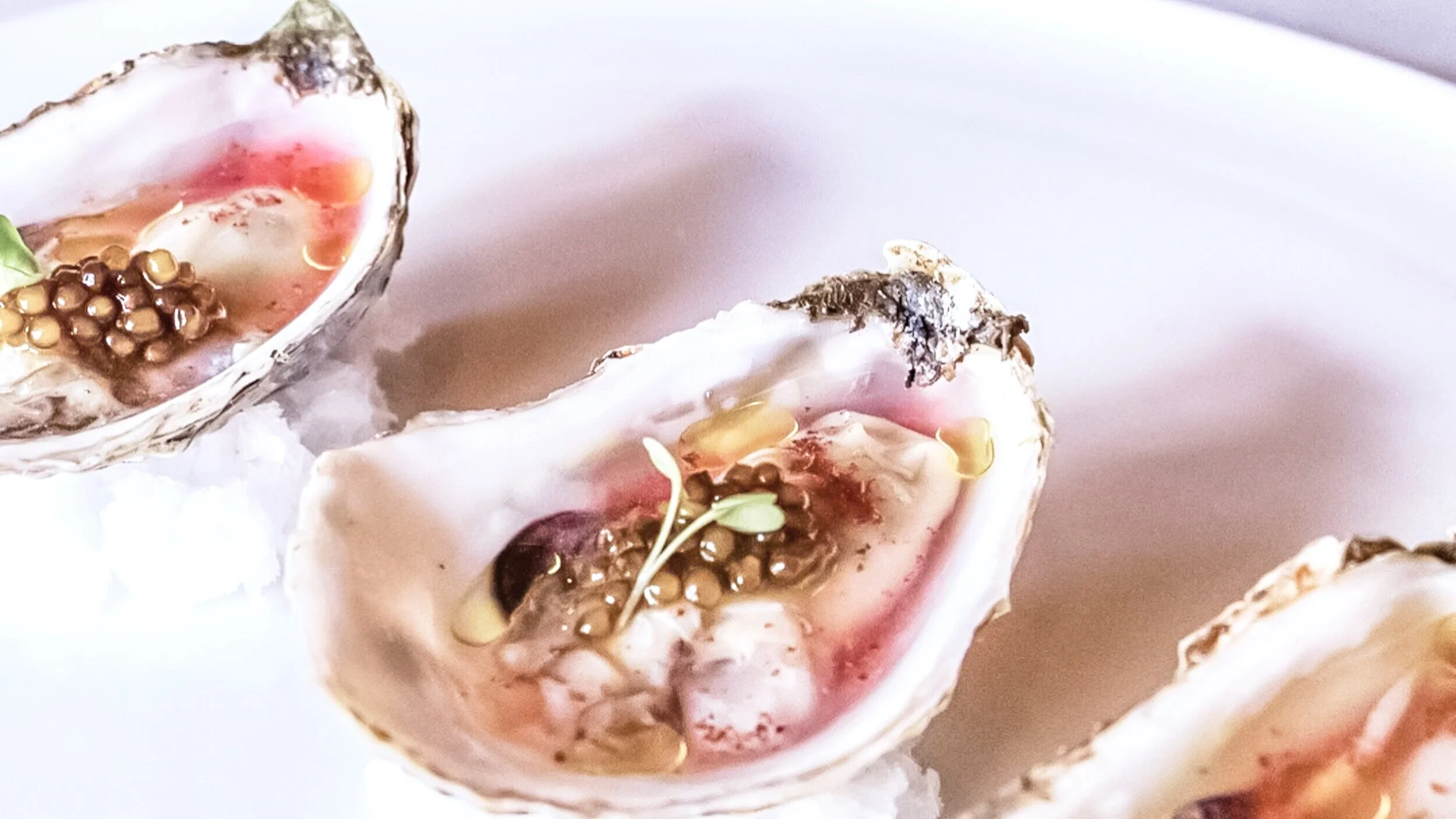
Shellfish — oysters especially — are the richest source, followed by meat, pumpkin seeds and other seeds, nuts, legumes, whole grains and dairy. A note for plant-based eaters: zinc from animal foods is absorbed more easily than from plants, so a little extra attention to portions and variety helps.
Can you have too little — or too much?
A shortage can affect immunity, skin, healing and taste, and it’s more likely for those eating mostly plant-based, older adults, or people with certain digestive conditions. At the other end, very high zinc from supplements can backfire — it can lower copper and even dampen immunity — so, as ever, food first.
Common questions
What does zinc do for immunity? It’s essential for a healthy immune response and for healing, which is why it’s so associated with fighting off illness.
Which foods are highest in zinc? Oysters and other shellfish, meat, pumpkin seeds, nuts, legumes and whole grains.
This is general information to help you eat well, not medical advice. If you have a specific concern, your doctor is the best person to help.