Silicon
Silicon is a trace element that tends to fly under the radar, but it’s associated with the parts of us we often want to look after most — skin, hair, nails, bones and connective tissue.
What does silicon do?
Supports connective tissue, the scaffolding that holds the body together
Helps make collagen and elastin, the proteins behind firm, supple skin
Is linked to healthy hair and nails
May support bone health, helping calcium do its job
Which foods are rich in silicon?
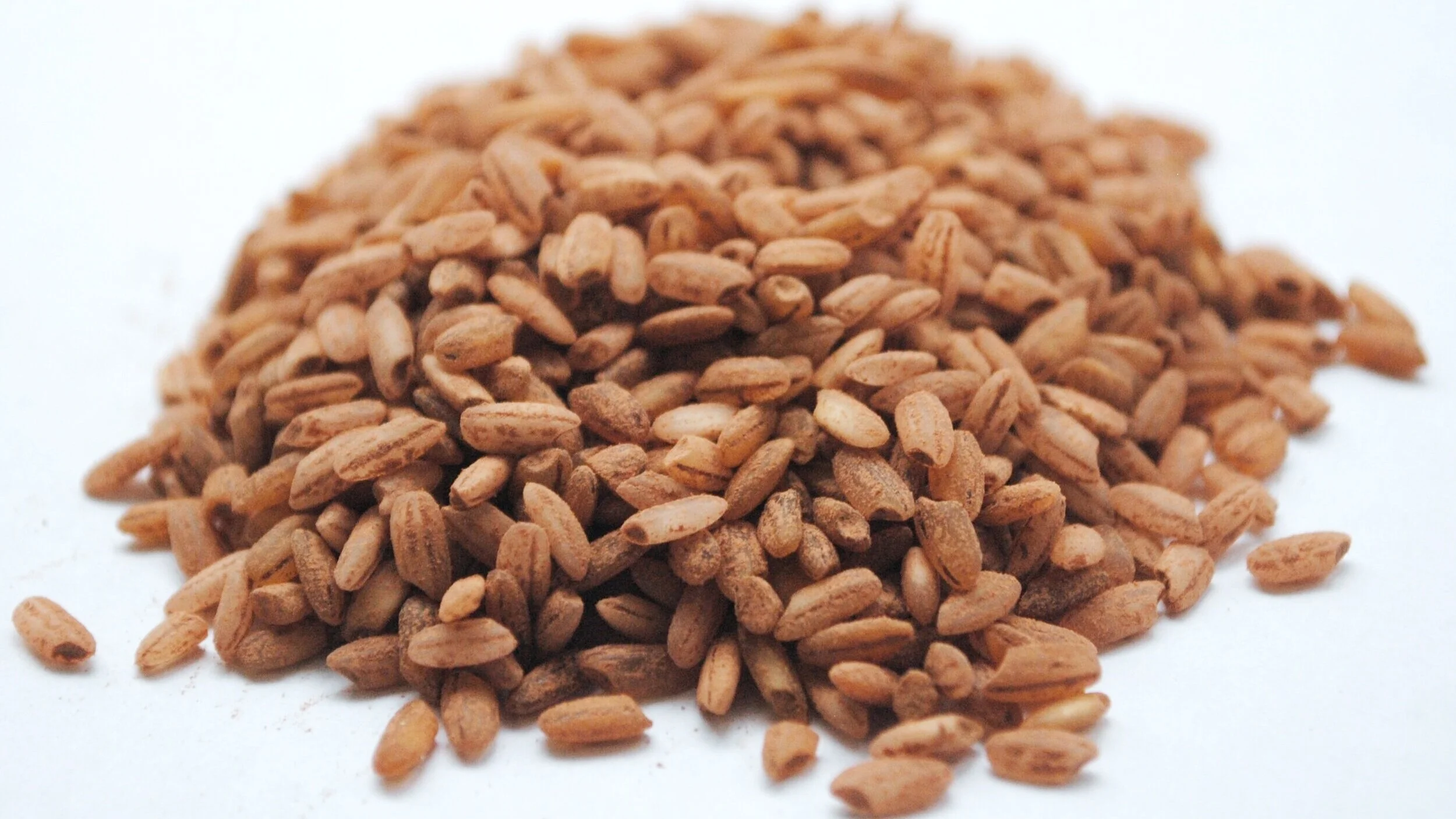
The bioavailable form is found mainly in fibre-rich whole grains (oats and barley especially), vegetables, fruit like bananas, and some drinking and mineral waters. A varied, plant-friendly diet supplies it naturally.
Can you have too little — or too much?
Silicon’s exact requirements aren’t as firmly established as for other minerals — no official daily intake has been set — and it’s generally considered safe and well supplied through everyday foods. Levels do seem to decline gradually with age. There’s no need to supplement it.
Common questions
What is silicon good for? It’s linked to healthy skin, hair, nails and connective tissue.
Which foods contain silicon? Whole grains like oats and barley, bananas, leafy greens and some mineral waters.
This is general information to help you eat well, not medical advice. If you have a specific concern, your doctor is the best person to help.