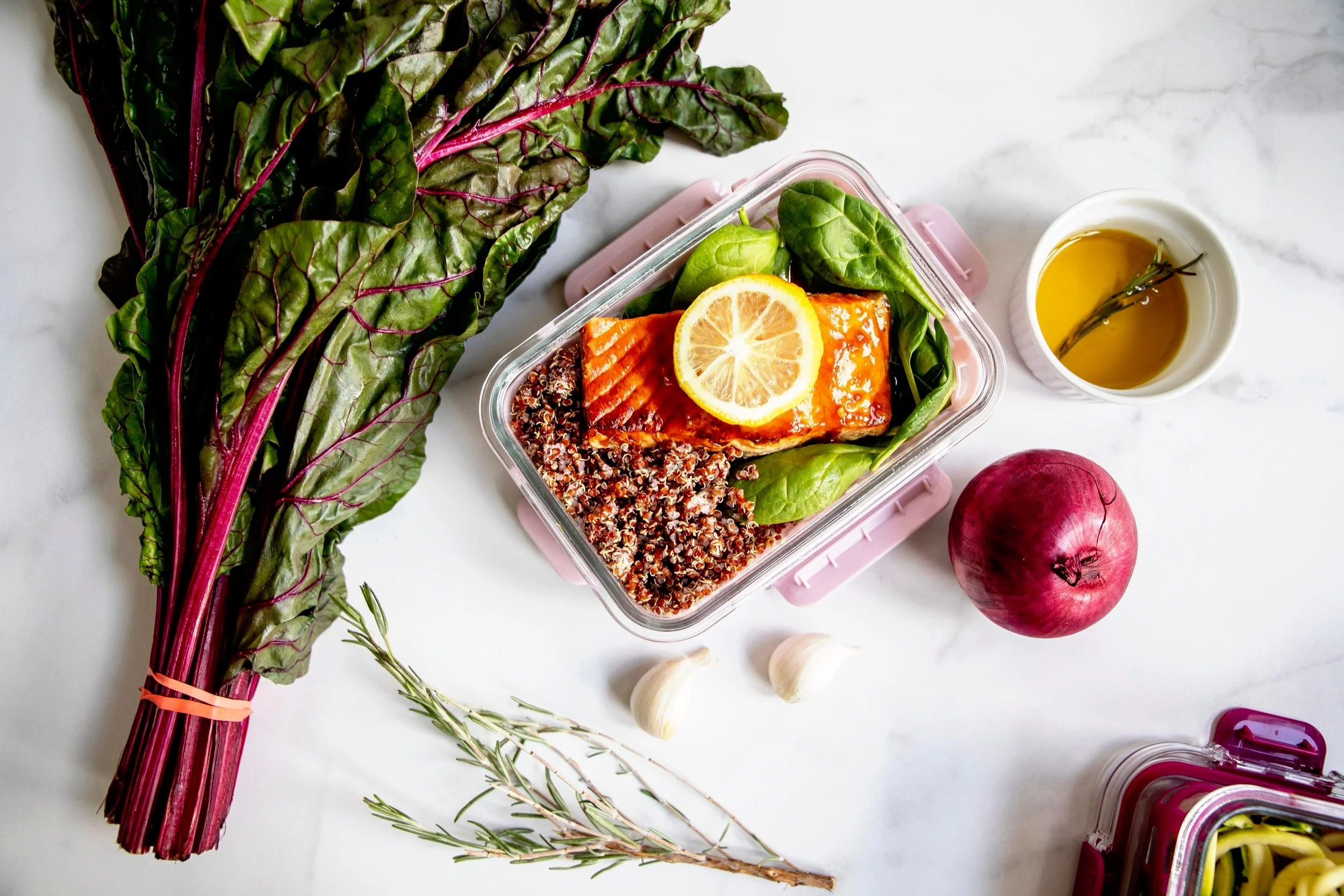
In short: Planning and preparing your meals ahead saves you time and money, and it makes it far easier to eat well when you’re tired. Five nutrients are worth keeping in mind for your immune system: vitamins A, C and E, selenium and zinc. You’ll find all of them in ordinary foods such as orange and green vegetables, fruit, nuts, seeds, eggs, sardines, pulses and whole grains. Food can’t promise that you’ll never catch a cold, but a well-fed body is better prepared.
It’s Wednesday evening, it’s dark outside, and you open the fridge. Half a cucumber, a yoghurt, some cheese. You’re tired, everyone is hungry, and toast is starting to look like dinner. Again.
Now picture the same evening with a pot of vegetable soup in the fridge, a box of roasted squash and carrots, some cooked lentils and a jar of dressing. Dinner is on the table in ten minutes, and it’s full of colour. That’s all meal prep is: a little thought at the weekend, so that the tired you on a Wednesday is looked after.
Why is meal planning worth the effort?
Meal planning is a great way to make sure you eat a balanced diet and get the nutrients you need. And, as every thrifty cook knows, it saves time and money.
When you eat at home more often, you know what’s on your plate. When you know what the week’s meals will look like, you know what to buy. Your shopping becomes quicker, there are fewer of those extra trips for one or two things, and with a list in your hand it’s much easier to walk past the special offers you didn’t come for. If shopping is the part you dread, I’ve written about how to make your grocery shopping simpler.
There’s a calmer side to it as well. You decide once, on a quiet day, and you no longer have to ask yourself “what’s for dinner?” every evening at the very moment you have the least energy to answer.
Which nutrients does your immune system rely on?
Your immune system is not one single organ that you can switch on. It’s a whole network, and like the rest of you it’s built from what you eat. In the cold months especially, looking after it may be at the front of your mind. Here are five nutrients to focus on, and where to find them.
1. Vitamin A
Vitamin A helps to keep your skin and the linings of your nose, throat and gut in good condition. They’re your body’s first line of defence. You find it in bright orange and yellow foods: sweet potato, carrots, squash, mango and peppers. Dark leafy greens such as kale and spinach, and broccoli, bring it too. An easy way to remember: orange and dark green.
2. Vitamin C
Vitamin C is the best-known of them all, and your immune cells use plenty of it. Your body can’t store much, so it’s good to eat some every day, and whole foods make that easy: strawberries, citrus fruit such as grapefruit and mandarins, kiwi, red peppers, cauliflower, broccoli and mango. In winter, mandarins are a lovely sweet choice. Vitamin C doesn’t like long cooking, so keep some of these raw or only lightly cooked.
3. Vitamin E
Vitamin E protects your cells, and it becomes more important for the immune system as we get older. Many people don’t eat much of it, simply because nuts and seeds aren’t part of their day. Rather than relying on supplements, you can look to food: almonds, hazelnuts, sunflower seeds, leafy greens, avocado and cold-pressed plant oils. A small handful of nuts on your porridge or salad is enough to make it a habit.
4. Selenium
Selenium is a mineral your body needs in small amounts. Brazil nuts are extremely rich in it, so rich that it’s easy to have too much if you eat them often: one or two now and then is plenty. Sardines are an excellent source you can enjoy more regularly, and they bring omega-3, one of the healthy fats, at the same time. Eggs, beef and oats contain selenium too.
5. Zinc
Like selenium, zinc is a mineral your immune system depends on. You find it in whole grains, pulses such as lentils and chickpeas, nuts, seeds (pumpkin seeds are a good one) and meat.
You don’t need to count any of this. If your plate has several colours, some nuts or seeds, and a good source of protein, you’re covering a great deal. I explain the idea in why eating a rainbow matters.
I made a short video about this, you can watch it below.
How do you prep these foods into your week?
Keep it simple. An hour at the weekend, some music in the kitchen, and four or five things prepared:
A tray of roasted orange vegetables. Sweet potato, carrots and squash with olive oil. They go into salads, soups and warm bowls all week.
A pot of soup. Whatever vegetables are in season, with lentils or chickpeas for zinc. Freeze a few portions.
A pot of whole grains. Brown rice, quinoa or buckwheat, ready to reheat.
Washed greens. Kale, spinach or broccoli, cleaned and in a box, so they actually get eaten.
A jar of seeds and nuts. Sunflower seeds, pumpkin seeds and almonds, mixed, to sprinkle over everything.
Boiled eggs and a tin or two of sardines. Lunch in five minutes, on toast with a squeeze of lemon and some raw pepper on the side.
Breakfast can be prepared too: overnight oats with nuts and fruit take five minutes the evening before.
What might a day look like?
Breakfast: oats with almonds, sunflower seeds and strawberries or a sliced kiwi.
Lunch: sardines or eggs on wholegrain bread, with spinach, red pepper and a spoonful of sauerkraut.
Dinner: lentil and vegetable soup, then roasted squash and broccoli with quinoa.
Something sweet: a mandarin or two, and one Brazil nut.
Nothing complicated, nothing expensive, and all five nutrients are there. If you have more questions about planning, you’ll find many answers in my 18 FAQs on meal planning.
What else supports your immune system?
Food is one part of the picture. Your body also needs enough sleep, time outdoors, regular movement, water and some calm. A week of short nights and constant pressure will be felt, however good your soup is. For the colder months, you might like my tips for taking care of yourself in winter.
Frequently asked questions
Can food stop me catching a cold?
No food can promise that. Eating well gives your body what it needs to do its work, and that includes your immune system. Sleep, fresh air, movement, less stress and washing your hands all play their part too.
Do I need supplements for my immune system?
A varied diet with plenty of vegetables, fruit, nuts, seeds, whole grains, pulses, eggs and fish covers a great deal. Whether a supplement makes sense for you depends on your health, your age and any medication you take, so ask your doctor or pharmacist before starting one.
How long does meal prep take?
About an hour, once a week, is plenty to begin with. In that time you can roast a tray of vegetables, cook a pot of grains or pulses, wash your greens and make a dressing. You do not have to cook every meal in advance.
Can I meal prep if I cook for one?
Yes, and it is especially helpful. Cook once and eat twice, freeze single portions of soup, and prepare ingredients you can mix in different ways, so that you do not eat the same dish four days in a row.
When should I talk to my doctor?
Talk to your doctor if you catch one infection after another, if colds drag on for weeks, if you are unusually tired for a long time, or if you lose weight without trying. Do the same before changing your diet in a big way if you have a health condition, are pregnant or take regular medication.
Would you like some help?
Planning a week of meals that suits your life, your budget and your taste is one of the things we work on in my group programmes in nutrition and health, such as Six Tuesdays in Montignac. If you’d like to hear when the next group opens, write to me at hello@catherinepolet.coach.
Would you rather work one to one? I also coach online. Book a free 20-minute call, and tell me what your Wednesday evenings look like. We’ll find the two or three things to prepare that would change them most.
About Catherine
I’m Catherine Polet, a holistic nutrition health coach, yoga and autogenic training teacher for more than 30 years, author and speaker. I help people find a way of eating and living that suits their own body, online in English, French, Spanish and German, and in person in Southwest France.