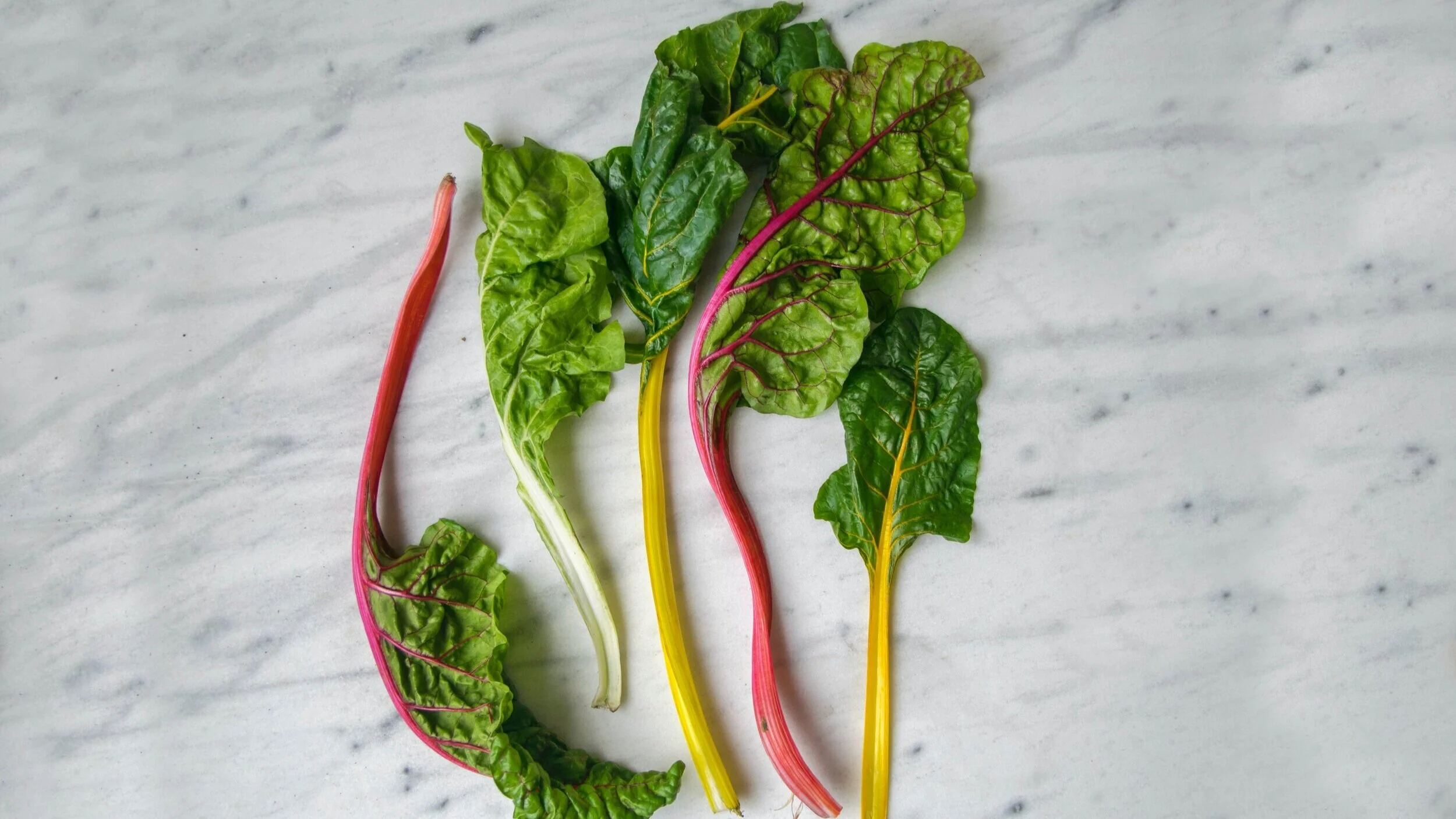
Vitamin B9 — Folate
Vitamin B9, better known as folate, is a water-soluble vitamin essential for making new cells. Its name comes from the Latin folium, meaning leaf — a clue to where it's found in abundance: leafy green vegetables. (You’ll also see the term “folic acid,” which is the synthetic form used in supplements and fortified foods.)
What does vitamin B9 do?
Builds new cells — vital for DNA and healthy cell division
Helps form red blood cells
Is crucial in early pregnancy, supporting a baby’s healthy development
Works with B12 and B6 to keep homocysteine in balance
Which foods are rich in vitamin B9?
True to its name, leafy greens like spinach and kale lead the way, along with legumes, asparagus, broccoli, Brussels sprouts, citrus fruits and many fortified grains.
Can you have too little — or too much?
A shortage can lead to a type of anaemia and tiredness. Folate is especially important around pregnancy: a deficiency in the early weeks is linked to neural tube defects in a developing baby, which is why folic acid is widely recommended before and during early pregnancy. If you’re pregnant or planning to be, this is well worth talking through with your doctor.
Common questions
What’s the difference between folate and folic acid? Folate is the natural form found in food; folic acid is the synthetic form in supplements and fortified foods.
Why is folate important in pregnancy? It supports a baby’s early development and helps prevent neural tube defects, which is why a supplement is usually recommended before and during the first weeks.
This is general information to help you eat well, not medical advice. If you have a specific concern — especially around pregnancy — your doctor is the best person to guide you.