Vitamin B6
Vitamin B6 (also called pyridoxine) is a water-soluble vitamin involved in more than a hundred different reactions in the body — one of the busiest nutrients you have. It works especially closely with protein, and pairs naturally with magnesium, helping your body absorb and use it.
What does vitamin B6 do?
Processes protein — helps your body use the amino acids from your food
Supports mood and sleep — needed to make neurotransmitters like serotonin and dopamine, and the sleep hormone melatonin
Helps form red blood cells and carry oxygen around the body
Supports the immune system
Helps balance homocysteine, working alongside folate and B12
Which foods are rich in vitamin B6?
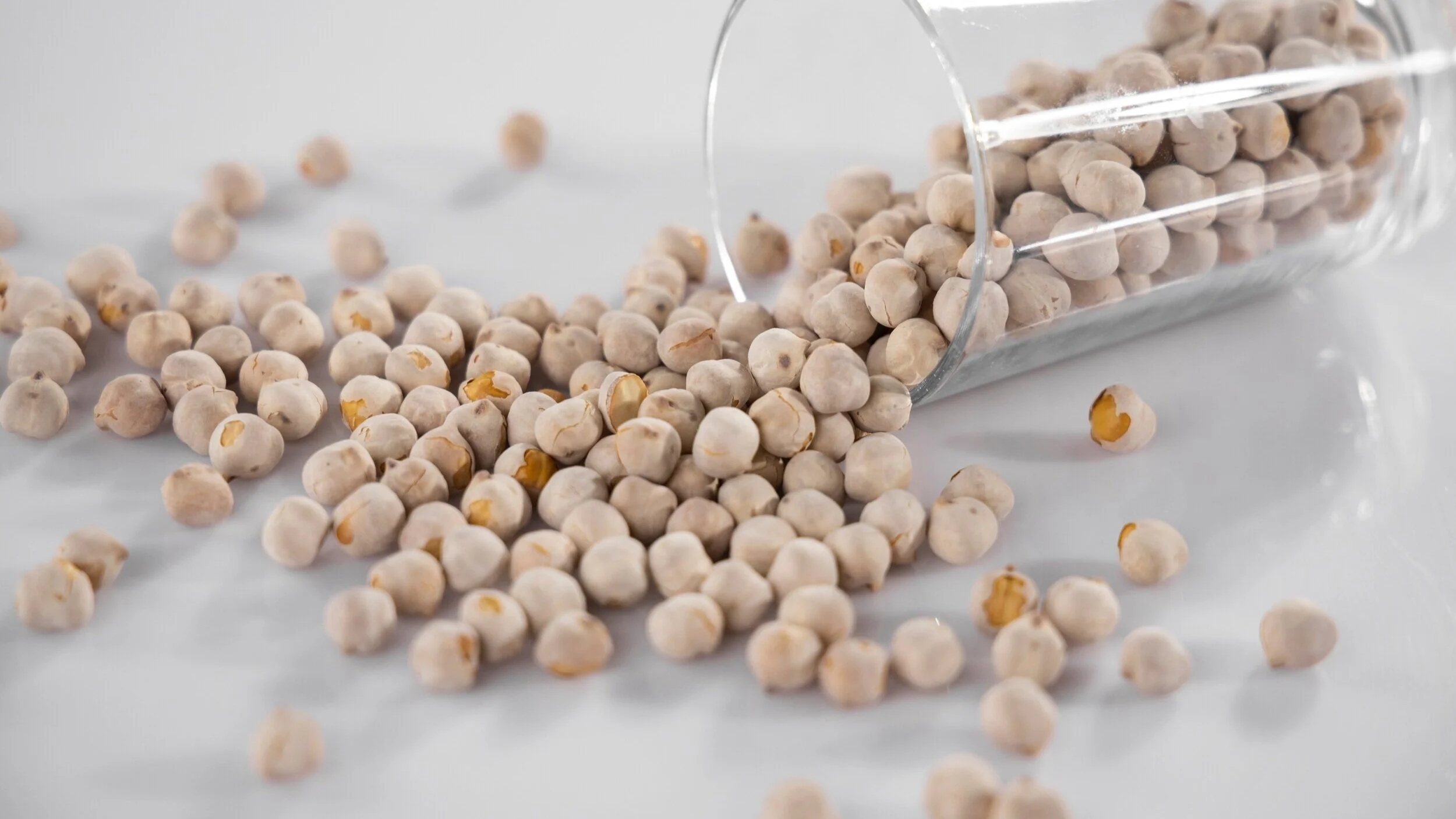
Good sources include poultry and fish, potatoes and sweet potatoes, chickpeas and other legumes, bananas, whole grains, nuts and seeds. One thing worth knowing: B6 from animal foods is absorbed better than B6 from plants, so vegetarians and vegans may want to keep an eye on their intake.
Can you have too little — or too much?
Deficiency is uncommon and can show up as tiredness, low mood or anaemia. You won’t get too much from food, but very high doses from supplements over a long time can affect the nerves — another reason food is the safest source.
Common questions
Is vitamin B6 good for mood and sleep? It's needed to make serotonin, dopamine and melatonin, so getting enough supports steady mood and sleep as part of a balanced diet.
Which foods are high in B6? Poultry, fish, potatoes, chickpeas, bananas, whole grains and nuts.
This is general information to help you eat well, not medical advice. If you have a specific concern, your doctor is the best person to help.