Fermentation 101: A Beginner's Guide to Fermented Foods
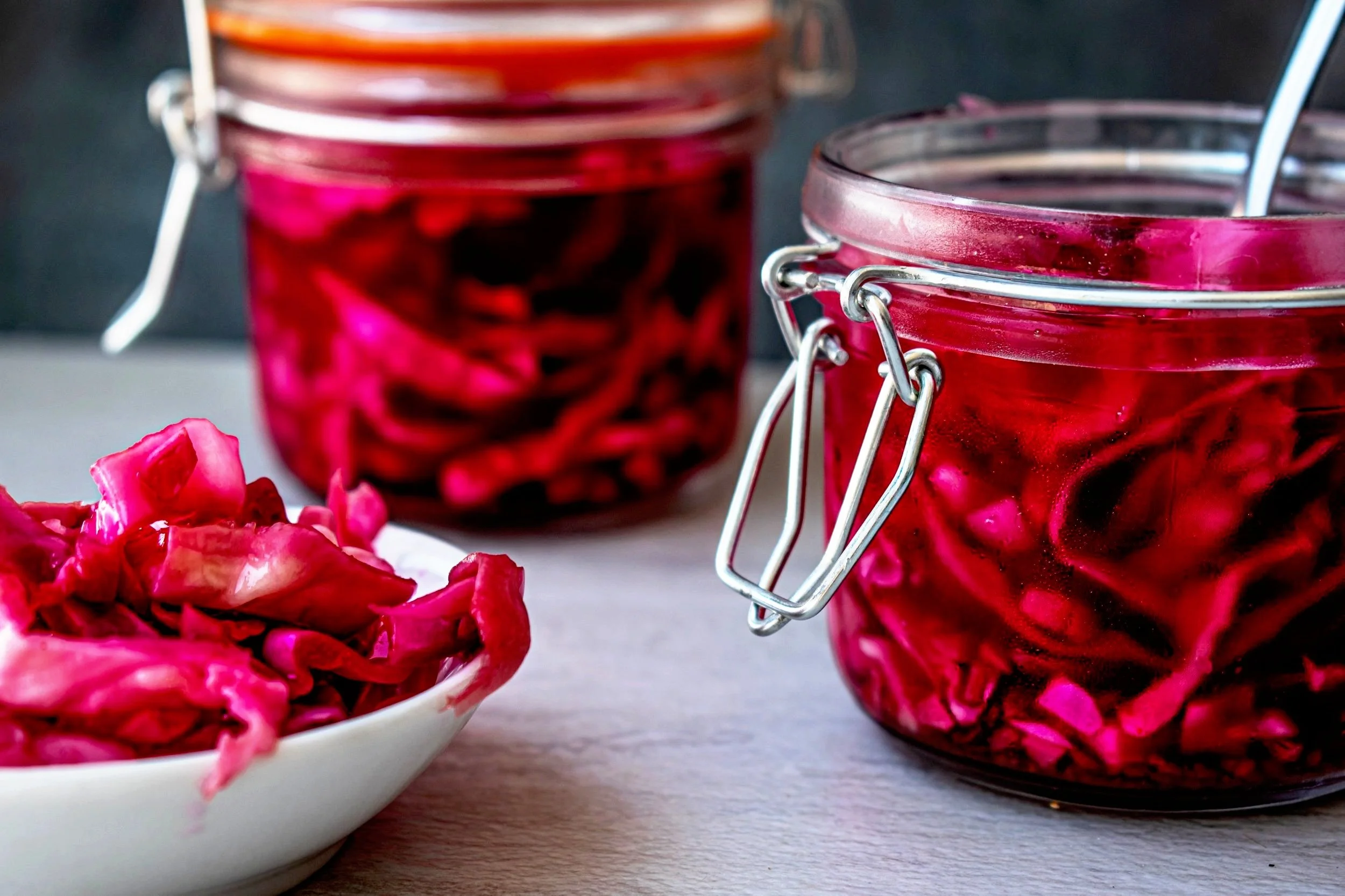
Photo by The Matter of Food on Unsplash
Have you ever tasted a deliciously tangy sauerkraut, crunchy pickle, or refreshing kombucha? These are just a few examples of the many fermented foods in our world.
Fermentation is a process that has been used for centuries to preserve and transform food. Still, its benefits go beyond just keeping our food fresh. In fact, fermented foods are packed with probiotics and nutrients that can improve our digestive health, boost our immune system, and even reduce inflammation in the body.
So, what exactly is fermentation? It's a process that involves the breakdown of carbohydrates by microorganisms like bacteria and yeast. During fermentation, these microorganisms consume the sugar in the food, creating acids and gases that give fermented foods a distinctive tangy flavor and texture.
But the benefits of fermented foods go beyond just taste. The probiotics found in fermented foods can help improve our gut health by balancing the bacteria in our digestive system. This can lead to better digestion, improved nutrient absorption, and a stronger immune system.
In addition to their health benefits, fermented foods are a sustainable solution to food waste. By fermenting fruits and vegetables, we can extend their shelf life and reduce the amount of food in landfills.
If you're curious about fermented foods, there are many delicious options. Sauerkraut, kimchi, pickles, and kefir are just a few examples of easy fermented foods to make at home. And if you need more time to make your own fermented foods, you can find many options at your local grocery store or farmer's market.
Incorporating fermented foods into your diet is easy and delicious. Add sauerkraut to your sandwiches, drink kombucha with your lunch, or snack on some pickles as an afternoon treat. The possibilities are endless, and your health and well-being benefits are well worth it.
Fermented foods are also an excellent source of nutrients that can benefit our overall health. For example, fermented dairy products like kefir and yogurt are rich in calcium and protein. In contrast, fermented vegetables like kimchi and sauerkraut contain vitamins and minerals like vitamin C and potassium.
Moreover, fermented foods can help reduce inflammation in the body, which is a common cause of many chronic health conditions such as arthritis, diabetes, and heart disease. The probiotics found in fermented foods have been shown to reduce inflammation in the gut and throughout the body, helping to keep our immune system in check and reducing the risk of chronic disease.
And the benefits of fermentation don't stop at just our health. As mentioned earlier, fermentation is an eco-friendly way to reduce food waste. By fermenting fruits and vegetables past their prime, we can transform them into flavorful and nutritious foods that can be enjoyed for weeks or months.
Fermented foods are also an essential part of many cultures around the world. From kimchi in Korea to tempeh in Indonesia, fermented foods have been a staple in many traditional diets for centuries. These foods provide valuable nutrition and a connection to cultural heritage and history.
If you're interested in exploring the world of fermented foods, many resources are available to help you get started. Online forums, cookbooks, and classes are great places to learn about the different types of fermented foods and how to make them at home. And don't be afraid to experiment with different flavors and techniques – the possibilities are endless!
Fermented foods around the world
Fermented foods are an integral part of many cultures' culinary heritage. From Asia to Europe, the Americas to Africa, fermentation has been used for centuries to preserve food, add flavor, and boost nutrition. Here are some examples of fermented foods from different continents:
Asia
Kimchi (fermented cabbage and other vegetables) - South Korea
Miso (fermented soybean paste) - Japan
Natto (fermented soybeans) - Japan
Tempeh (fermented soybean cake) - Indonesia
Kombucha (fermented tea) - China
Europe
Sauerkraut (fermented cabbage) - Germany
Kefir (fermented milk drink) - Russia
Yogurt (fermented milk product) - Greece
Kvass (fermented bread drink) - Russia
Americas
Pickles (fermented cucumbers) - USA
Hot sauce (fermented chili peppers) - Mexico
Sour cream (fermented cream) - USA
Africa
Injera (fermented flatbread) - Ethiopia
Ogiri (fermented melon seeds) - Nigeria
Garri (fermented cassava flour) - West Africa
Kishk (fermented milk and bulgur wheat) - Middle East and North Africa
Mahewu (fermented maize drink) - Southern Africa
These are just a few examples of the many fermented foods that can be found worldwide. Each region has unique fermentation traditions, using various ingredients and techniques to create delicious and nutritious foods. Exploring fermented foods from different cultures allows you to discover new flavors, textures, and nutritional benefits that can enrich your diet and culinary experience.
Homemade Sauerkraut
Sauerkraut is a classic fermented food that is easy to make and delicious. It's a great way to introduce yourself to the world of fermentation, as it only requires a few ingredients and basic equipment. Here is a simple recipe for homemade sauerkraut:
Ingredients
1 head of cabbage
1 tablespoon of salt (non-iodized)
Optional: caraway seeds, juniper berries, or other spices
Equipment
Cutting board
Knife
Large mixing bowl
Fermentation vessel (mason jar, crock, or another food-safe container)
Weight (small jar, clean stones, or another object)
Instructions
Begin by removing the outer leaves of the cabbage and reserving them for later. Cut the cabbage into quarters and remove the core. Slice the cabbage into thin strips and place them into the mixing bowl.
Sprinkle the salt over the cabbage and massage it with your hands. This will help to break down the cabbage and release its natural juices.
If desired, add any spices to the mixture and continue massaging until the cabbage is thoroughly coated.
Transfer the cabbage mixture to the fermentation vessel, packing it down as tightly as possible. Pour any remaining liquid from the mixing bowl into the fermentation vessel.
Place the reserved cabbage leaves on top of the mixture, pressing them down to create a seal. Place the weight on top of the cabbage leaves to submerge the mixture in its liquid.
Cover the fermentation vessel with a cloth or lid and place it in a cool, dark place for 1-4 weeks. The fermentation time will depend on the desired level of tanginess and texture. Taste the sauerkraut after a week and continue fermenting until it reaches your preferred flavor.
Once the sauerkraut is fully fermented, remove the weight and the top layer of cabbage leaves. Transfer the sauerkraut to a clean jar or container and store it in the refrigerator.
And that's it! Homemade sauerkraut is an excellent addition to sandwiches, salads, or a side dish with your favorite meal. Plus, it's a healthy and sustainable way to reduce food waste and boost your gut health.
Homemade sauerkraut can be stored in the refrigerator for up to six months. As the sauerkraut ages, its flavor will continue to develop and become more complex.
Variations of Sauerkraut
If you want to experiment with different types of sauerkraut, use other types of cabbage or add extra vegetables. Here are a few variations on the basic sauerkraut recipe:
Red Cabbage Sauerkraut: Use red cabbage instead of green cabbage for a vibrant, colorful sauerkraut.
Carrot and Ginger Sauerkraut: Add grated carrots and fresh ginger to the cabbage mixture for a sweet and spicy twist.
Kimchi-style Sauerkraut: Add garlic, ginger, chili powder, and fish sauce to the cabbage mixture for a tangy and spicy Korean-inspired sauerkraut.
Apple and Cinnamon Sauerkraut: Add grated apples and cinnamon to the cabbage mixture for a sweet and fragrant sauerkraut that is perfect for fall.
Remember, you can customize your sauerkraut recipe based on your personal taste preferences and the ingredients that you have on hand. Once you've mastered the basic technique, you can get creative and experiment with different flavor combinations.
Whether you stick with a classic sauerkraut recipe or try something new, making your own fermented foods is a rewarding and delicious experience. With patience and practice, you can create flavorful and nutritious sauerkraut that will impress your family and friends.
Health benefits
Fermented foods, like sauerkraut, have gained popularity in recent years for their unique flavors and potential health benefits. Studies have shown that fermented foods can support gut health, boost the immune system, and improve mental health.
One study published in the Journal of Applied Microbiology found that consuming fermented foods can increase the diversity of beneficial gut bacteria, which can help to improve digestion and reduce inflammation in the body.
Another study published in Frontiers in Psychiatry found that consuming fermented foods can positively impact mental health, reducing symptoms of anxiety and depression.
Fermented foods have also been shown to affect the immune system positively. A study published in the Journal of Medicinal Food found that consuming fermented cabbage improved the production of natural killer cells, which play a key role in the body's immune response.
Fermented foods offer a wide range of health benefits and are a delicious and sustainable addition to any diet. Whether you want to improve your gut health, reduce inflammation, or add variety to your meals, fermented foods are an excellent option. So why not try them and see what magic fermentation can bring to your life?