18 FAQs on Body Positivity: Embracing Your Unique Beauty
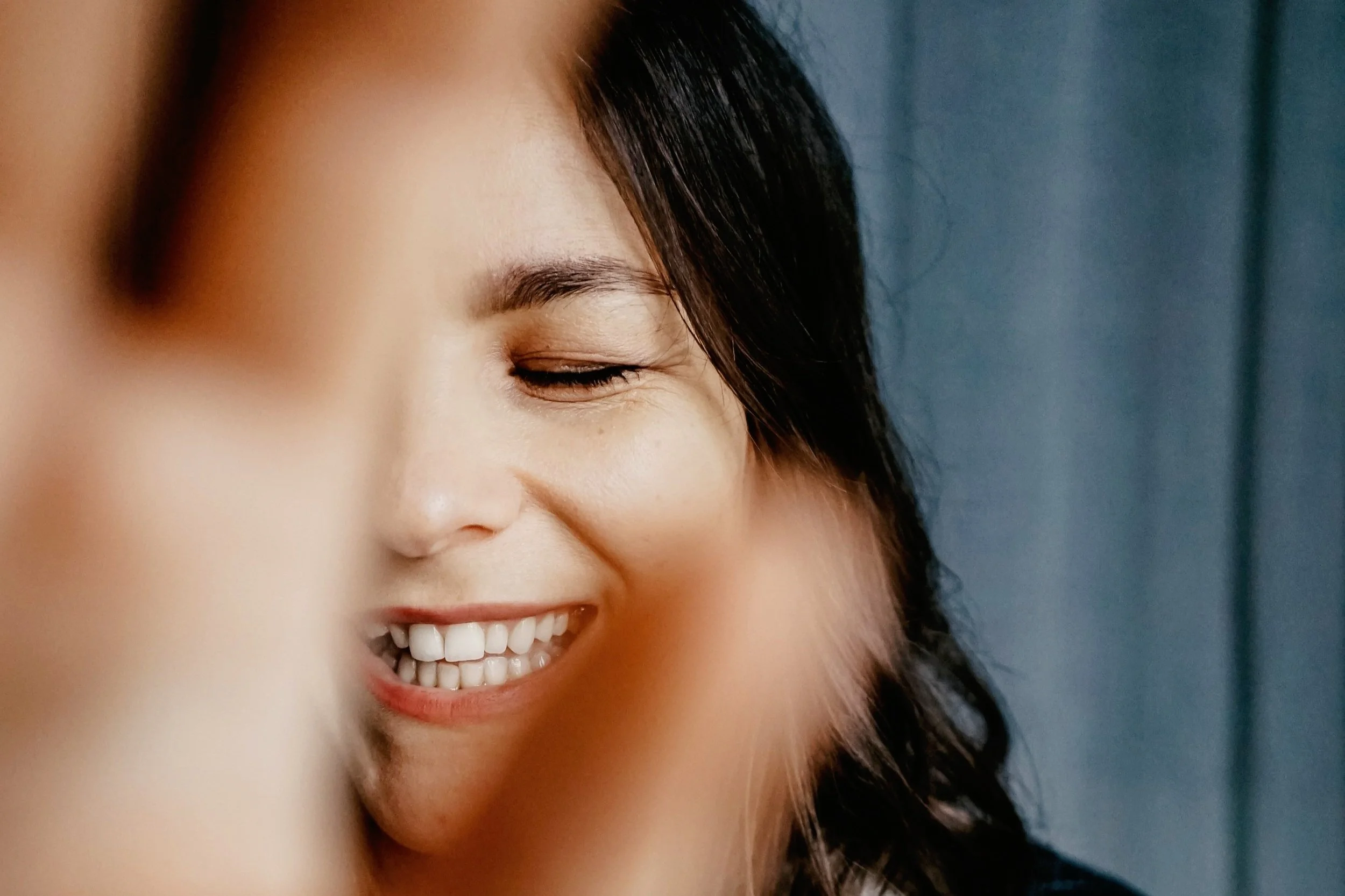
Photo by Toa Heftiba on Unsplash
Body image and self-acceptance are crucial aspects of our lives that affect how we perceive ourselves, relate to others, and engage with the world. At some point in life, we have all experienced the pressure to fit into specific beauty standards or been shamed for our appearance. However, learning to embrace and love our bodies is vital to living a healthy, fulfilling life. Let’s dive into 18 frequently asked questions about body image and self-acceptance so that you can begin your journey toward self-love and acceptance.
What is body image, and why is it important?
Have you ever looked in the mirror and felt unhappy with what you see? Maybe you wished you were taller, thinner, or had a different nose. If so, you’re not alone. Many people struggle with their body image, which is how you see and feel about your physical appearance.
Body image is an integral part of our mental health and overall well-being. It affects how we feel about ourselves and interact with the world. We feel comfortable and confident in our skin when we have a positive body image. We’re more likely to care for ourselves by eating well, exercising, and getting enough rest. We’re also more likely to pursue our goals and dreams because we believe in ourselves.
On the other hand, when we have a negative body image, it can have serious consequences. We may feel anxious or depressed, leading to social isolation or even self-harm. We may also engage in unhealthy behaviors, like extreme dieting or substance abuse, to change our appearance.
But where do these negative body image messages come from? Unfortunately, they’re all around us. We’re bombarded with images of “perfect” bodies in the media, social media, and advertising. We’re told that we need to look a certain way to be beautiful, successful, or loved. These messages can be incredibly damaging, especially for young people still developing their sense of self.
But the good news is that we can change how we think about our bodies. It starts with recognizing that there is no one “perfect” body type. We come in all shapes and sizes, which is good! Our bodies are amazing machines that allow us to do incredible things. We can dance, run, swim, climb, and explore the world around us.
Embrace your body just as it is. Focus on what your body can do rather than what it looks like. Treat it with kindness and respect by nourishing it with healthy foods, moving it regularly, and giving it plenty of rest. Surround yourself with positive influences that celebrate diversity and body positivity.
Remember, you are so much more than your physical appearance. You are a unique, valuable, and beautiful human being. Don’t let anyone tell you otherwise!
What factors influence body image?
Do you ever wonder why some people seem to have a positive body image while others struggle with their self-image? Many factors can influence how we see ourselves and our bodies.
One of the most significant factors is our upbringing and environment. We’re exposed to messages about what is considered attractive or desirable from a young age. If our parents or caregivers place a lot of emphasis on appearance or grow up in a culture that values thinness or certain physical features, we may internalize those messages and develop a negative body image.
Media and advertising also play a massive role in shaping our body image. We’re bombarded with images of “perfect” bodies on TV, in movies, and magazines. These images are often heavily airbrushed and unrealistic, but they can still leave us feeling like we don’t measure up.
Our relationships and social circles can also influence our body image. It can be hard to maintain a positive self-image if we surround ourselves with people who are critical of their own or others’ bodies. On the other hand, having friends and loved ones who celebrate diversity and body positivity will help us feel more confident and comfortable in our own skin.
Mental health can also impact our body image. Conditions like depression, anxiety, and eating disorders can distort our perception of ourselves and make it hard to feel good about our bodies. It’s essential to seek professional help if you’re struggling with your mental health, as this can often impact your body image.
Finally, our own experiences and personality can shape our body image. It can be hard to feel confident in our bodies if we’ve been through traumatic events or experiences that have affected our sense of self. Similarly, if we’re perfectionistic or prone to negative self-talk, we may be more likely to focus on perceived flaws rather than celebrating what we love about ourselves.
You deserve to feel good about yourself, inside and out. The good news is no matter what factors may have influenced your body image in the past, it’s always possible to start cultivating a more positive relationship with your body. Surround yourself with positivity, focus on what your body can do rather than what it looks like, and treat yourself with kindness and compassion.
How can I improve my body image?
If you’re struggling with your body image, you’re not alone. Many people feel unhappy or self-conscious about their physical appearance from time to time. But the good news is that you can do things to improve your relationship with your body and feel more confident and comfortable in your own skin.
One of the first steps is to focus on what your body can do rather than what it looks like. Our bodies are amazing machines that allow us to move, breathe, and experience the world around us. Instead of criticizing yourself for perceived flaws, celebrate what you love about your body and its capabilities.
Another critical step is to surround yourself with positivity. Seek out media and social media accounts that celebrate diversity and body positivity. Follow people who inspire you and make you feel good about yourself. Surround yourself with friends and loved ones who build you up and support you rather than bring you down.
It’s also essential to take care of your physical health. Nourish your body with healthy, whole foods that give you energy and help you feel good. Find physical activities you enjoy, whether dancing, hiking, or yoga, and make time for them regularly. Getting enough sleep, staying hydrated, and managing stress will also positively impact your overall well-being and body image.
Finally, be kind to yourself. Remember that you’re human, and nobody is perfect. It’s okay to have bad days or moments of self-doubt. Try to talk to yourself like you would speak to a friend when that happens. Be gentle, compassionate, and encouraging. You deserve to feel good about yourself, just as you are.
If you’re struggling with your body image and it’s affecting your mental health or daily life, don’t hesitate to seek professional help. Therapists and other mental health professionals can help you work through negative thought patterns and develop a more positive relationship with your body. Remember, you are worthy and deserving of love and acceptance, just as you are.
What is self-acceptance, and how does it relate to body image?
Self-acceptance is a concept that’s closely related to body image. Self-acceptance is all about embracing who you are, flaws and all. It means acknowledging that you’re not perfect, but that’s okay. It means recognizing your strengths and weaknesses and loving yourself for all of them.
When it comes to body image, self-acceptance is key. It’s about accepting your body for what it is rather than constantly striving to change or improve it. It’s about recognizing that your worth is not tied to your physical appearance.
Self-acceptance doesn’t mean that you have to love everything about your body all the time. It’s normal to have days when you feel self-conscious or unhappy with your appearance. But with self-acceptance, you can acknowledge those feelings and move past them. You can see your body as a part of your identity rather than the defining factor.
The benefits of self-acceptance are numerous. When you accept yourself, you can be more authentic and genuine in your relationships. You’re less likely to compare yourself to others, which can be a significant source of stress and anxiety. You’re also more likely to take care of yourself because you recognize that you’re worth the time and effort.
Self-acceptance is a journey. With time and patience, you will learn to accept yourself just as you are. And when you do, you’ll find that the world opens up in new and exciting ways. You’ll be able to live your life more fully and authentically, and that’s something to celebrate.
How can I practice self-acceptance?
If you want to practice self-acceptance, you’re moving toward a happier and more fulfilling life. Learning to accept yourself, flaws, and all can be a difficult journey, but it’s one that’s well worth the effort.
So how can you start practicing self-acceptance? Here are some tips to get you started:
Practice self-compassion: Treat yourself with the kindness and understanding you would offer a friend. When you make a mistake or have a bad day, show yourself encouragement and comfort.
Focus on your strengths: We all have unique talents and abilities. Focus on what you’re good at and celebrate your accomplishments.
Stop comparing yourself to others: It’s easy to get caught up in comparing yourself to others, but this can be a significant source of stress and anxiety. Remember, you are unique, and no one else is quite like you.
Surround yourself with positivity: Seek out people who uplift and support you. Follow social media accounts that celebrate diversity and body positivity.
Be mindful of negative self-talk: Pay attention to the way you talk to yourself. If you catch yourself engaging in negative self-talk, try to reframe those thoughts more positively.
Take care of your physical health: Nourish your body with healthy foods, engage in physical activity you enjoy, get enough sleep, stay hydrated, and manage stress.
Seek help when needed: If you’re struggling with self-acceptance or any other mental health issue, don’t hesitate to seek professional help.
Self-acceptance is a journey, not a destination. You cannot achieve it overnight, but with time, you will learn to accept yourself just as you are. And when you do, you’ll find that your relationships, work, and overall well-being will improve.
What are some common body image issues that people face?
If you’re struggling with body image, you’re not alone. Many people experience body image issues at some point, which can be challenging.
Feeling self-conscious about weight: Many people think they must be a certain weight or body shape to be happy or successful. This can lead to unhealthy dieting habits, body dysmorphia, and other issues. Here are some of the most common body image issues that people face:
Comparing oneself to others: Social media and advertising often present unrealistic beauty standards, making people feel like they don’t measure up. Comparing oneself to others can lead to negative self-talk and low self-esteem.
Feeling self-conscious about specific body parts: It’s not uncommon for people to feel self-conscious about particular body parts, such as their stomach, thighs, or arms. This can lead to wearing uncomfortable clothes or covering up those body parts, even in hot weather.
Negative self-talk: Many people engage in negative self-talk, criticizing themselves for their appearance or perceived flaws. This can lead to a downward spiral of self-doubt and low self-esteem.
Body dysmorphia: Body dysmorphia is a mental health condition where a person becomes obsessed with perceived flaws in their appearance, even if they are minor or nonexistent. This can lead to extreme measures to fix those perceived flaws, such as excessive grooming or plastic surgery.
If you’re struggling with any of these body image issues, know that help is available. You don’t have to suffer in silence. Consider contacting a therapist or counselor specializing in body image issues. And remember, you are more than your appearance. Your worth is not tied to your physical appearance, and you deserve love and acceptance just as you are.
How can I deal with negative self-talk?
If you’re struggling with negative self-talk, you’re definitely not alone. Many people experience negative thoughts about themselves occasionally. You can do things to deal with it. Here are some tips:
Recognize when it’s happening: The first step in dealing with negative self-talk is recognizing it. Pay attention to the thoughts that go through your mind and try to identify any patterns.
Reframe your thoughts: Once you recognize negative self-talk, try to reframe those thoughts more positively. For example, if you think, “I’m so stupid,” try reframing that thought as “I made a mistake, but that doesn’t mean I’m stupid.”
Practice self-compassion: Treat yourself with the kindness and understanding you would offer a friend. When you make a mistake or have a bad day, offer yourself encouragement and comfort.
Surround yourself with positivity: Seek out people who uplift and support you. Follow social media accounts that celebrate diversity and body positivity. Engage in activities that bring you joy and fulfillment.
Practice mindfulness: Mindfulness is a practice that involves being present in the moment without judgment. When negative self-talk starts to creep in, focus on your breath or a specific sensation in your body. This can help to interrupt the negative thought cycle.
Seek professional help: If negative self-talk is persistent and interferes with your daily life, it may be helpful to seek professional help. A therapist or counselor can work with you to identify the underlying causes of negative self-talk and develop strategies to manage it.
Know that you deserve love and acceptance, just as you are. Dealing with negative self-talk is a process, and it may take time to develop new thought patterns. But with practice and persistence, you can learn to be kinder and more compassionate to yourself, which can positively impact every aspect of your life.
What is body dysmorphia, and how can it be treated?
Body dysmorphia is a mental health condition where a person becomes obsessed with perceived flaws in their appearance, even if they are minor or nonexistent. It can be challenging to deal with, but there is hope.
Here are some things you should know about body dysmorphia and how it can be treated:
Symptoms: People with body dysmorphia often experience intense feelings of self-consciousness about their appearance. They may spend much time checking their appearance in the mirror or avoiding social situations because of their perceived flaws. They may also engage in excessive grooming or seek cosmetic procedures to “fix” their flaws.
Causes: The exact causes of body dysmorphia are not fully understood, but it is thought to be related to a combination of genetic, environmental, and psychological factors.
Treatment: Body dysmorphia can be treated with therapy and/or medication. Cognitive behavioral therapy (CBT) is a type of therapy that can help people with body dysmorphia learn to challenge negative thoughts and beliefs about their appearance. Antidepressant medication can also help manage symptoms of anxiety and depression that often accompany body dysmorphia.
Self-care: Besides therapy and medication, self-care can also be important in managing body dysmorphia. This may include practicing mindfulness, engaging in physical activity, and developing a positive self-image.
Support: It can be helpful to seek help from loved ones or a support group for people with body dysmorphia. Knowing that you’re not alone and having a safe space to talk about your experiences is a powerful tool for managing the condition.
Seeking treatment for body dysmorphia is a courageous step towards healing and self-acceptance. If you’re struggling with body dysmorphia, know that hope and help are available. Don’t hesitate to reach out to a mental health professional for support.
What are some common triggers for body dysmorphia?
A number of different factors can trigger body dysmorphia. It’s essential to be aware of these triggers so that you can take steps to manage them and reduce the risk of experiencing symptoms.
Social Media: Social media can be a significant trigger for body dysmorphia. Seeing highly curated and edited images of others can create unrealistic expectations for our own appearance, leading to feelings of inadequacy and self-doubt. Here are some common triggers for body dysmorphia:
Trauma: Traumatic experiences, such as bullying or physical or emotional abuse, can contribute to body dysmorphia. These experiences can create negative beliefs and attitudes about one’s appearance.
Family or Peer Pressure: Family or peer pressure to conform to specific beauty standards can also trigger body dysmorphia. Comments or criticisms about one’s appearance can fuel shame and self-doubt.
Genetic Predisposition: Some research suggests that there may be a genetic component to body dysmorphia. If a family member has struggled with body dysmorphia or other mental health conditions, you may also be at a higher risk for developing the condition.
Childhood Experiences: Negative experiences during childhood, such as being teased about a specific feature or receiving critical comments from parents or peers, can also contribute to body dysmorphia.
It’s important to remember that everyone’s experience with body dysmorphia is unique, and triggers can vary from person to person. By being aware of your own triggers, you can take steps to manage them and reduce the impact they have on your mental health. This may include seeking therapy, limiting exposure to triggering content, and practicing self-care and self-acceptance.
How can I support a loved one struggling with body image issues?
If you have a loved one struggling with body image issues, knowing how to support them best can be challenging. Here are some tips that can help:
Listen with empathy: The most important thing you can do is to be there for your loved one and listen to them with empathy. Let them know that you care and are there to support them.
Avoid judgment: Avoid making judgments or comments about their appearance, as this can further fuel their negative feelings. Instead, focus on their positive qualities and strengths.
Educate yourself: Learn as much as possible about body image issues and their impact on mental health. This can help you better understand what your loved one is going through and how to support them best.
Encourage professional help: If your loved one struggles with severe body image issues, encourage them to seek professional help. This may include therapy, support groups, or medical treatment.
Practice positive self-talk: Encourage your loved one to practice positive self-talk and self-care. Remind them of their positive qualities and encourage them to focus on their strengths and accomplishments.
Be patient and supportive: Recovery from body image issues takes time and maybe setbacks. Be patient and supportive, and continue to be there for your loved one through their journey.
You can help your loved one on their journey towards self-acceptance and healing by offering support and understanding.
Can social media affect my body image?
It’s no secret that social media has become a significant part of our lives. We use it to connect with others, share our experiences, and stay up-to-date with the latest news and trends. However, have you ever considered how social media may affect your body image?
The short answer is yes; social media can significantly impact how we perceive our bodies. Studies have shown that exposure to social media, particularly images of “perfect” or unrealistic bodies, can increase negative body image, anxiety, and depression.
For example, social media platforms like Instagram are filled with images of seemingly perfect bodies, often edited and curated to create a specific image. These images can make us feel like we don’t measure up or need to look a certain way to be accepted or beautiful.
Additionally, social media can create a constant comparison culture, where we constantly compare ourselves to others and feel inadequate. This can particularly harm young people in developing their sense of self.
Remember, you are beautiful just like you are. You don’t need to compare yourself to others or conform to societal standards.
How can I cultivate a positive social media experience?
Cultivating a positive social media experience requires intention and boundaries. Here are some tips:
Limit your exposure: Consider taking breaks from social media or limiting the time you spend scrolling through your feed.
Curate your feed: Follow accounts that promote body positivity and diversity, and unfollow those that make you feel bad about yourself.
Practice self-care: Engage in activities that make you feel good about yourself, like exercising, meditating, or spending time with friends and family.
Be mindful: When scrolling through social media, be aware of how it makes you feel. Take a break or engage in self-care activities if you notice negative thoughts or feelings.
By caring for yourself and being mindful of how social media affects you, you can protect your body image and promote self-love and acceptance.
How can I teach my children to have a positive body image?
As a parent, you play a vital role in shaping your child’s self-esteem and body image. Promoting a positive body image can help your child develop a healthy relationship with their body and build their confidence. Here are some tips to help you teach your children to have a positive body image:
Model positive body image: Your child looks up to you, so it’s essential to model a positive body image yourself. Speak kindly about your body, focus on your strengths rather than your flaws, and avoid negative self-talk.
Avoid body shaming: Avoid making negative comments about your child’s body or other people’s bodies. Instead, focus on the things that make your child unique and special.
Promote healthy habits: Teach your child about the importance of healthy habits, such as regular exercise, eating a balanced diet, and getting enough sleep. However, avoid linking these habits to weight or appearance.
Encourage self-care: Encourage your child to engage in self-care activities that make them feel good about themselves, such as taking a relaxing bath, reading a book, or spending time with friends and family.
Emphasize inner qualities: Teach your child that their worth is not based on appearance. Emphasize their inner qualities, such as kindness, empathy, and intelligence.
Promote media literacy: Teach your child to be critical of media messages that promote unrealistic beauty standards. Encourage them to question what they see and to recognize that these images are often heavily edited.
Remember, promoting a positive body image is a lifelong process. Teaching your child to love and accept their body sets them up for a lifetime of self-confidence and self-love.
Can therapy help with body image issues?
If you struggle with body image issues, know you are not alone. Many people experience negative thoughts and feelings about their bodies, leading to low self-esteem, anxiety, and even depression. However, therapy can be a valuable tool in helping you to overcome these challenges and develop a healthier relationship with your body.
Therapy can provide a safe and supportive space to explore your thoughts and feelings about your body. A therapist can help you to identify negative thought patterns and challenge them with more positive and realistic beliefs. They can also teach you coping skills to manage difficult emotions and build self-esteem.
Different types of therapy may help address body image issues. Cognitive-behavioral therapy (CBT) is a commonly used approach that identifies and changes negative thought patterns. Acceptance and commitment therapy (ACT) can help you to develop mindfulness skills and cultivate self-compassion. Body-focused therapies, such as art therapy or somatic experiencing, can also help explore your body and its sensations in a safe and supportive environment.
Remember that seeking help for body image issues is a sign of strength, not weakness. With the proper support, you can develop a positive and healthy relationship with your body and learn to embrace your unique beauty.
How can I find a therapist who specializes in body image issues?
If you are struggling with body image issues and want to seek help from a therapist, finding someone with experience with these types of concerns is essential. Here are some tips to help you find a therapist who specializes in body image issues:
Ask for referrals: Talk to your primary care physician, friends, or family for recommendations. They may know someone who has experience working with body image issues.
Check online directories: Many mental health professionals are listed in online directories. You can search for therapists specializing in body image issues and filter by location, insurance, and other factors.
Contact local mental health organizations: Many mental health organizations have databases of therapists who specialize in various areas. You can contact them to ask for recommendations or search their online directories.
Research credentials: Look for licensed therapists with training in treating body image issues. Credentials may indicate that the therapist has specialized training in mental health.
Schedule a consultation: Many therapists offer free consultations to potential clients. This can be an excellent opportunity to talk to the therapist and see if you feel comfortable working with them.
Finding the right therapist can take time and effort, but it is worth it. A therapist specializing in body image issues can provide the support and tools you need to develop a positive and healthy relationship with your body.
How can I build a supportive community around body positivity?
Building a supportive community around body positivity can be a powerful way to cultivate self-love and acceptance. Here are some steps you can take to create a community that uplifts and empowers you:
Start the conversation: Begin talking openly and honestly with friends and loved ones about body positivity. Share your journey and encourage others to do the same. This can help create a safe and supportive space for everyone to share their experiences and feel heard.
Connect with like-minded individuals: Seek out groups, clubs, or events that promote body positivity. This can be a great way to meet people who share your values and support your journey.
Use social media mindfully: Follow individuals and organizations that promote body positivity and inspire you. Engage with their content and share your positive messages. This can help create a virtual community that supports and uplifts you.
Host your own events: Consider hosting a body-positive event, such as a clothing swap or a workout class. This can be a great way to connect with others who share your values and build a supportive community.
Practice self-love: Remember that building a supportive community starts with loving and accepting yourself. When you love and accept yourself, you radiate that positivity to those around you. Focus on self-care and self-compassion, and treat yourself with kindness and respect.
Surrounding yourself with people who uplift and support you can help you on your journey toward a healthy and positive relationship with your body. Building a supportive community takes time. Still, it can be an incredibly powerful way to promote body positivity and cultivate self-love.
How can I deal with negative comments or body shaming from others?
Dealing with negative comments or body shaming from others can be incredibly hurtful and challenging. Here are some tips to help you navigate these situations and maintain a positive body image:
Set boundaries: You have the right to establish boundaries with people who make negative comments or engage in body shaming. This might mean telling them directly that their comments are hurtful and unacceptable or limiting your interactions with them.
Surround yourself with positivity: Seek out individuals who uplift and support you, and spend time with them. This can help counteract the negative messages you may be receiving from others.
Reframe negative thoughts: When negative comments or body shaming occur, it’s easy to internalize these messages and start to believe them. Instead, try positively reframing your thoughts. For example, if someone comments on your weight, remind yourself of everything your body can do and the positive qualities that make you who you are.
Practice self-care: Take time for self-care activities that make you feel good, such as exercise, meditation, or spending time in nature. This can help boost your mood and self-confidence.
Seek support: Consider reaching out to a therapist or support group to help you process and cope with the negative comments you may be receiving.
Remember, you are worthy of love and respect, no matter what your body looks like. Don’t let the negative messages of others dictate how you feel about yourself. With time and practice, you can build a positive and healthy relationship with your body and surround yourself with people who uplift and support you.
How can I maintain a positive body image in the long term?
Maintaining a positive body image is a journey that requires self-reflection. It’s not always easy, and there will be bumps along the way, but it’s worth it for your mental and physical well-being. Here are some tips on how to maintain a positive body image in the long term:
Practice self-compassion: Treat yourself with kindness and compassion, just as a good friend would. Be gentle with yourself when you’re feeling down or insecure.
Surround yourself with positivity: Seek out positive people who support and encourage you. Surround yourself with body-positive messaging, whether it’s through social media or books.
Stay active: Exercise is a great way to boost your mood and self-confidence. Find an activity you enjoy and focus on how it makes you feel rather than how it makes you look.
Practice self-care: Taking care of your body and mind will help you feel good about yourself. Take time for activities that make you feel good, whether a relaxing bath, a yoga class, or a massage.
Challenge negative self-talk: When negative thoughts pop up, challenge them with positive affirmations. Replace negative self-talk with words of kindness and encouragement.
Remember your worth: Your worth is not determined by your appearance. You are valuable and worthy just as you are.
Seek professional help: If you’re struggling to maintain a positive body image, don’t be afraid to seek help from a therapist or counselor specializing in body image issues. They can help you work through your struggles and develop healthy coping mechanisms.
Maintaining a positive body image is a journey requiring self-reflection. Be patient with yourself, and remember that progress is not always linear. Celebrate your wins, and keep working towards a positive relationship with your body.
Body image and self-acceptance are essential components of our mental health and well-being. It is common to experience challenges related to body image, but there are effective ways to overcome them. By understanding the root causes of body image issues, seeking professional help, and building a supportive community, you can cultivate a positive and healthy relationship with your body. Remember that self-acceptance is a journey; there is always time to start. You deserve to feel confident, empowered, and worthy of love and respect, regardless of appearance.