How to reduce your food waste
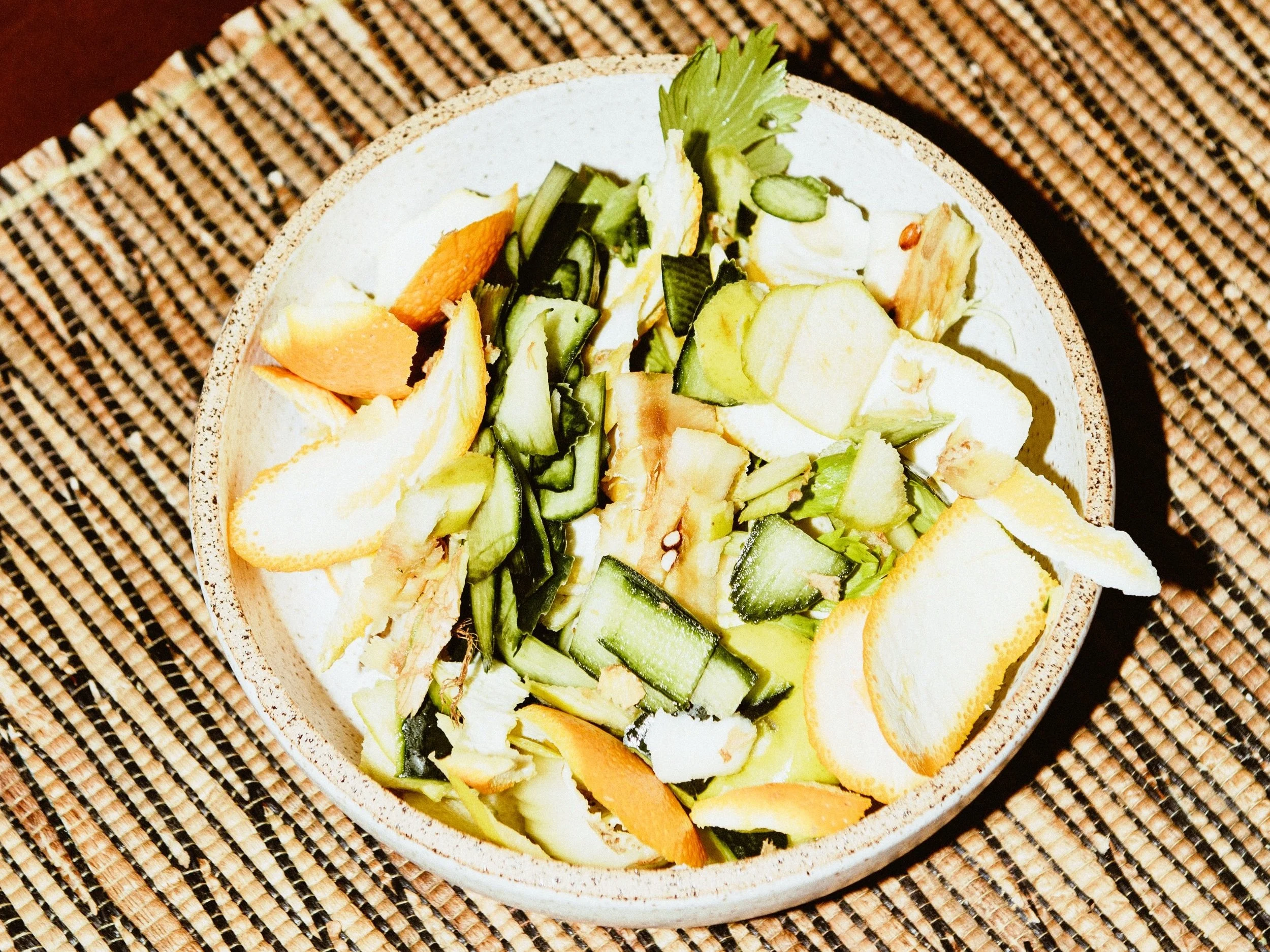
Photo by Chandra Oh on Unsplash
Did you know that around one-third of the food produced in the world for human consumption every year ― approximately 1.3 billion tons ― gets lost or wasted? This means that we waste between 95 to 155 kg per person a year, living in a rich country, compared to only 6 to 11 kg for someone living in sub-Saharan Africa.
Not only does it mean that you practically throw away your money, if just one-fourth of the food currently lost or wasted globally could be saved, it would be enough to feed 870 million hungry people in the world.
Are you ready to cut your food waste and reduce your “foodprint”?
Plan your meals
You can start by planning your meals in advance. Going for healthy meals is the way. It is more sustainable. And if you're concerned about our planet's health, then you should care about yours as well.
Have a grocery list
Knowing what you'll eat during the week will help you when making your grocery list. Having a grocery list will save you from wasting food and money. With a list you are less likely to buy junk food or food you don't need and won't eat. And a quick picture of the inside of your fridge, freezer and pantry is useful to avoid buying something you already have home.
Go local
Choose carefully where to do your shopping. Instead of supporting big industries, go for local. They have more sustainable options. They use less transporting and packaging, the quality of their products tends to be a bit better and less food will be wasted between the local producer and your home.
Check your fridge temperature
Turning the temperature of your fridge down to 5°C or lower will keep your food fresher for longer
Smart fridge
It's a good idea to organize your food smartly in your fridge. Put the vegetables, fruits and food that will soon expire in the middle where you will see it more often. That way you wont forget about it and won't end up throwing it away.
Leftovers
Instead of throwing food away, freeze your leftovers. Even if it's just a small portion or part of your meal. You can incorporate them in new meals or prepare yourself a small buffet with different leftovers. Plan a couple days a month to eat them or keep them for when you don't have the time or motivation to cook.
Repurpose
You can also keep the peels and bones of your vegetables and use them to make broth that you can also keep in the freezer.
Share
And last but not least, if you're going on a trip and have food that will expire during that time or if you bought food you know you wont eat, donate it. You can search for food pantries, associations or give them to someone you know will make good use of it!
𝐖𝐨𝐮𝐥𝐝 𝐲𝐨𝐮 𝐥𝐢𝐤𝐞 𝐭𝐨 𝐤𝐧𝐨𝐰 𝐦𝐨𝐫𝐞 𝐚𝐛𝐨𝐮𝐭 𝐚 𝐡𝐞𝐚𝐥𝐭𝐡𝐲 𝐥𝐢𝐟𝐞𝐬𝐭𝐲𝐥𝐞 𝐭𝐡𝐚𝐭 𝐢𝐬 𝐚𝐥𝐬𝐨 𝐬𝐮𝐬𝐭𝐚𝐢𝐧𝐚𝐛𝐥𝐞?
Join the FREE fireside chat on November 25th at 1 pm CET to learn more about how a healthy lifestyle makes you happier, healthier & wealthier.