Vitamin B2 — Riboflavin
What is vitamin B2, or riboflavin?
Vitamin B2 is another essential vitamin for energy production.
Vitamin B2, or riboflavin, gets its name from the combination of the term "ribose" (a sugar with 5 carbon atoms) and the Latin word flavus (yellow), in reference to its color. First isolated from milk in 1933, it was originally named lactoflavin (milk flavin).
This water-soluble vitamin can be synthesized by the body, but in insufficient quantities, and it is not stored: its excess is eliminated in the urine, which it colors yellow.
Riboflavin is sensitive to air and light, but very little to heat or cold, so it is not destroyed by cooking (except at extreme temperatures!) or by freezing.
It is also used as a yellow food coloring, under the number E101a or E106.
What is its function and what are its benefits?
Vitamin B2 plays an important role in the release of energy, participating in the metabolism of nutrients, but more particularly that of lipids.
It also plays an indirect role of antioxidant, by participating actively in the recycling of oxidized glutathione in reduced glutathione, and participates in the cycle of folates, essential to the process of methylation.
It combines with phosphoric acid to form two coenzymes (i.e. organic molecules essential for the functioning of an enzyme), FAD (flavin adenine dinucleotide) and FMN (flavin mononucleotide), which allow, in association with an enzyme, the oxidation of glucose and thus the release of energy.
Where to find it?
Vitamin B2 requirements are estimated at about 1.6 mg/day, but this limit is frequently revised upwards by health authorities, and it is possible that the optimal level is even higher.
Requirements are increased for athletes, pregnant women, smokers, people who drink alcohol, the elderly, diabetics, vegetarians, and people who are on a diet. Depending on the circumstances, requirements can be up to 2 to 3 times the recommended nutritional values.
There are many food sources of vitamin B2, but they are not all the same. Animal sources, for example, are largely better endowed with it, and in a more assimilable form than in products of plant origin.
The champion of all categories (and not surprisingly) of this vitamin is the liver, depending on the animal, a 100 gram portion will represent up to 4 to 5 times the required daily dose. Other offal (especially heart) are also interesting sources. Finally, other foods with an interesting level of this vitamin are red meat, cheese, eggs and fish (especially salmon).
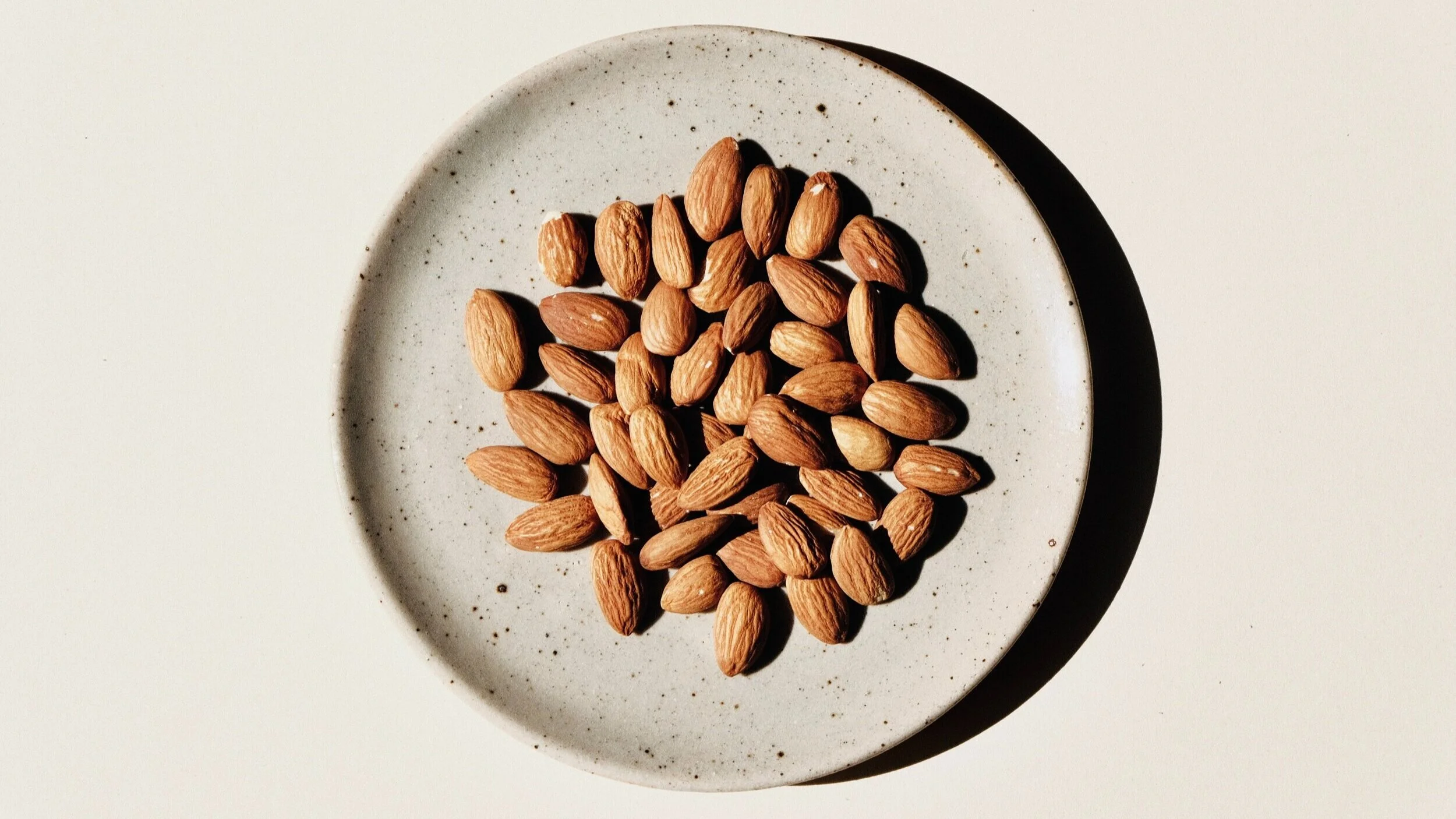
Among plant products, almonds rank first, but it is also found in certain seeds (especially sesame seeds), mushrooms, seaweed and wheat (germ and bark).
Deficiency and excess
Excesses of vitamin B2 are very rare, this vitamin being little stored, and it is the same for deficiencies, the needs being relatively low, and this vitamin being easily found in the food (except in vegetarians/vegetarians, the vegetable source being less well assimilated).
On the other hand, needs can be increased in athletes, pregnant women, smokers, people who drink alcohol, the elderly, diabetics, vegetarians, etc. It is then necessary to monitor their needs, because if it is difficult to be seriously deficient, it is easy to lack or not have an optimal amount.