Vitamin B3 — Niacin
What is vitamin B3, or niacin?
Vitamin B3, also called niacin or nicotinic acid, is a water-soluble vitamin. It is also called vitamin PP (for Pellagra Preventive), or nicotinamide, because a deficiency can cause pellagra. It is partly synthesized by the body from an essential amino acid, tryptophan, contained in proteins (especially animal proteins), but in small quantities. Moreover, it is poorly stored by the body, which means that a dietary intake is essential to cover needs.
What is its function and what are its benefits?
Like all B vitamins, vitamin B3 plays an important role in energy production.
It also plays a role in the regulation of cholesterol, as well as in the formation of red blood cells and the functioning of the nervous system.
It serves as a precursor to NAD (nicotinamide adenine dinucleotide) and NADP (nicotinamide adenine dinucleotide phosphate), two coenzymes necessary for the metabolic process of carbohydrates (during glycolysis), lipids and proteins.
It serves as a precursor to NAD (nicotinamide adenine dinucleotide) and NADP (nicotinamide adenine dinucleotide phosphate), two coenzymes necessary for the metabolism of carbohydrates (during glycolysis), lipids and proteins.
Where to find it?
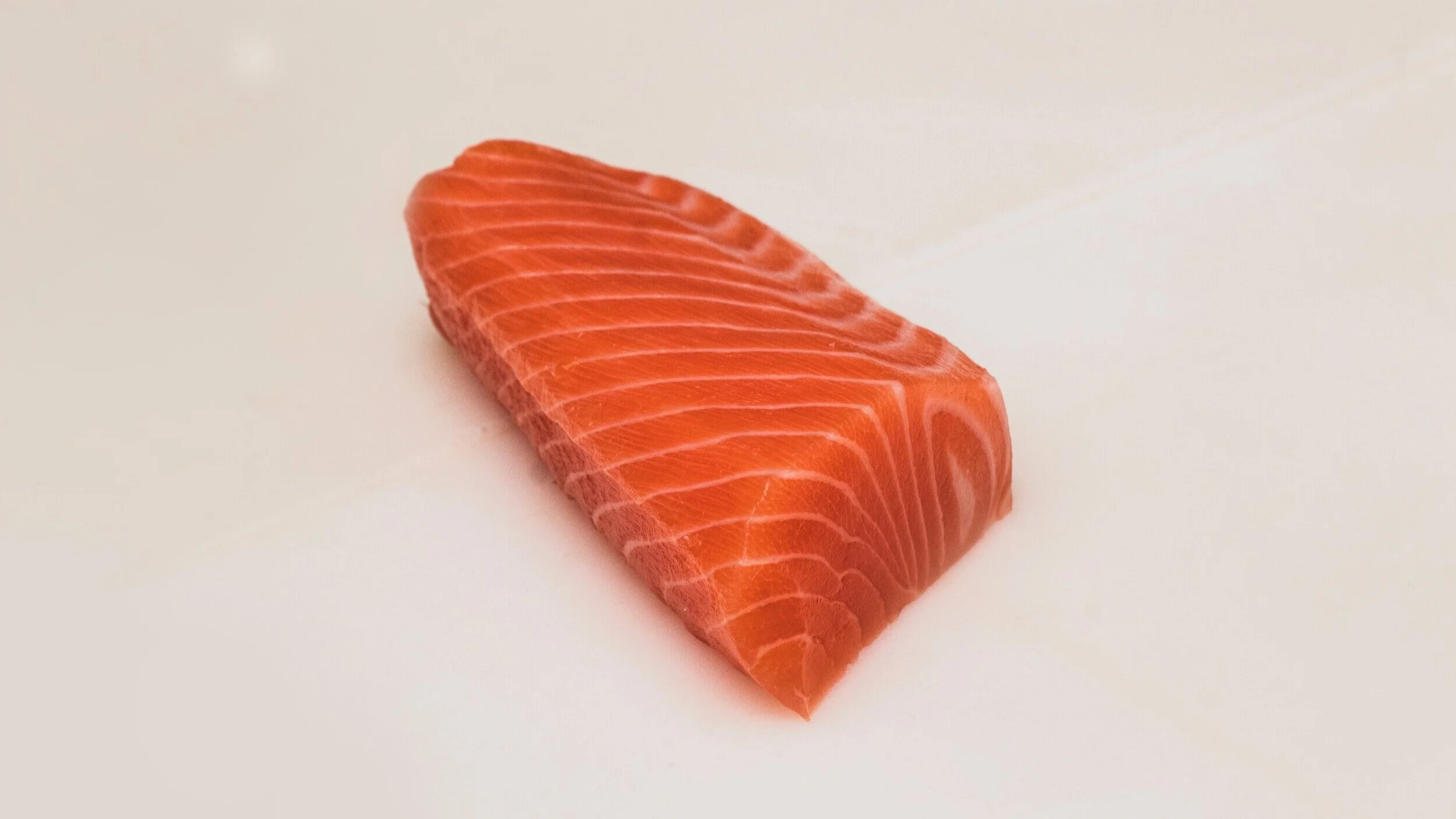
Vitamin B3 is found mainly in animal proteins, rich in tryptophan. The main sources include eggs, milk, poultry, meat, fish, liver, but also yeast, peanuts, legumes, whole grains, etc.
Deficiency and excess
Excesses of vitamin B3 are rare, as this vitamin is barely stored.
Cases of deficiency are still observed in some Asian or African countries, where the only staple food is rice. Pregnant women may have slightly higher than average needs, and for athletes, the needs may be significantly higher. Finally, individuals who do not eat meat should pay attention to their intake of this vitamin.