Vitamin B1 — Thiamin
What is vitamin B1, or thiamin?
Vitamin B1 is essential to transform carbohydrates into energy in the body.
Vitamin B1, or thiamin, is a water-soluble vitamin, which was discovered towards the end of the 19th century following work on beriberi, a very serious and widespread disease in the Far East at the time: it was discovered that this disease was due to the absence of a substance in the basic diet of this part of the world, which was composed for the most part of husked rice (vitamin B1 being contained in the husk of the grain).
What is its function and what are its benefits?
Vitamin B1 is necessary for the metabolism of carbohydrates and their transformation into energy via the Krebs cycle: it thus plays a crucial role in energy production.
It also contributes to the transmission of nerve impulses, and therefore promotes the proper functioning of the nervous system. In particular, it allows the degradation of pyruvic acid, which is toxic for the nervous system, into acetyl-Coenzyme A, and helps to support mood and memory.
Where to find it?
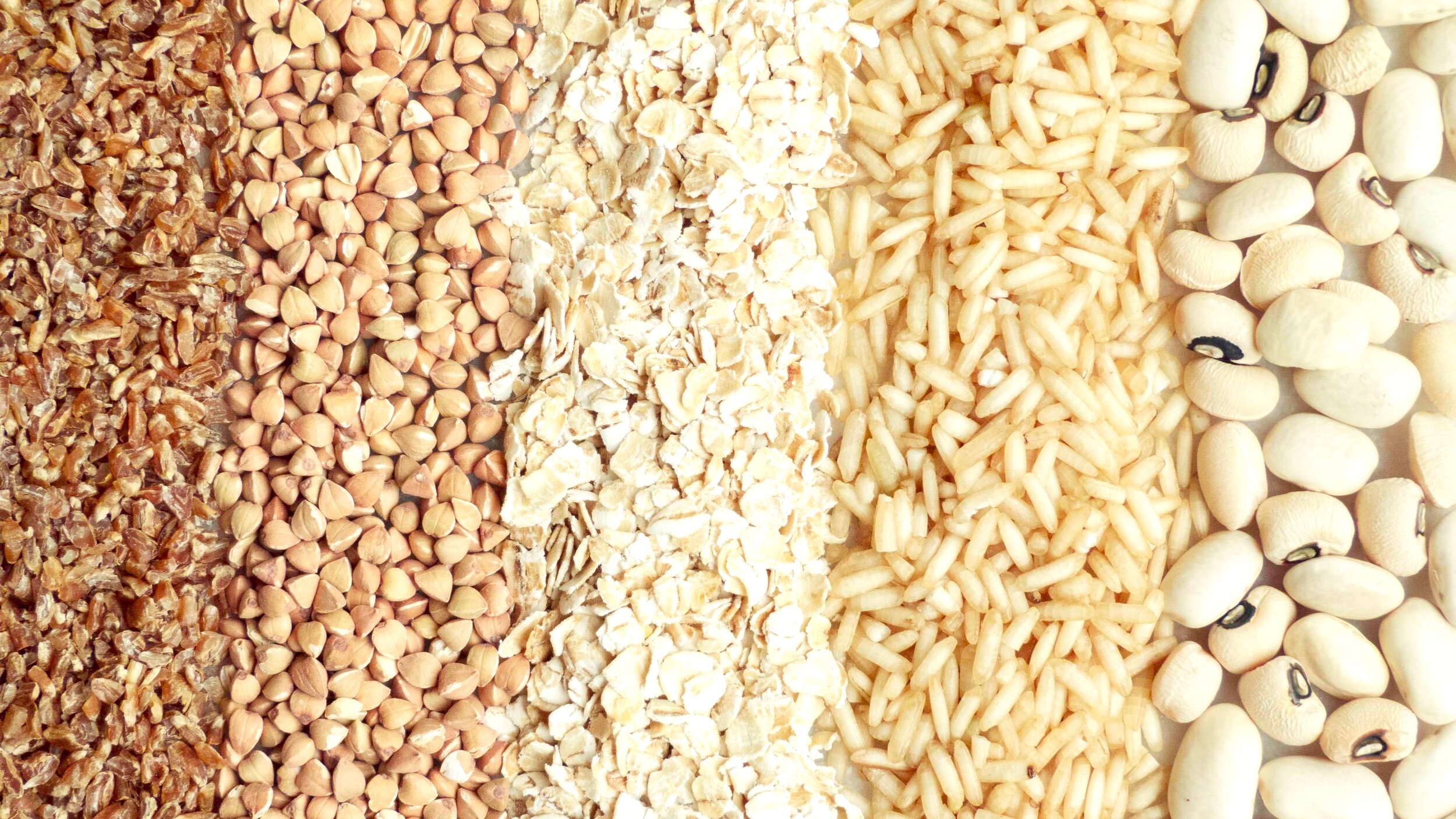
The main sources of vitamin B1 are whole grains, pulses, oilseeds (walnuts, hazelnuts, pistachios, etc.), oatmeal or barley, brown rice, brewer's yeast. It is possible that meat (red, white, fish) is a good source as well, but this is more debated depending on the source.
Deficiency and excess
Excesses of vitamin B1 are very rare, as this vitamin is water-soluble and therefore not stored by the body.
On the other hand, deficiencies can occur as a result of diets rich in refined cereals and sugars. Athletes and pregnant women also have greater needs.
A deficiency in vitamin B1 can cause beriberi, as well as serious metabolic disorders. It is therefore essential to monitor its intake.