The difference between a vegetarian and vegan diet: Which is right for you?
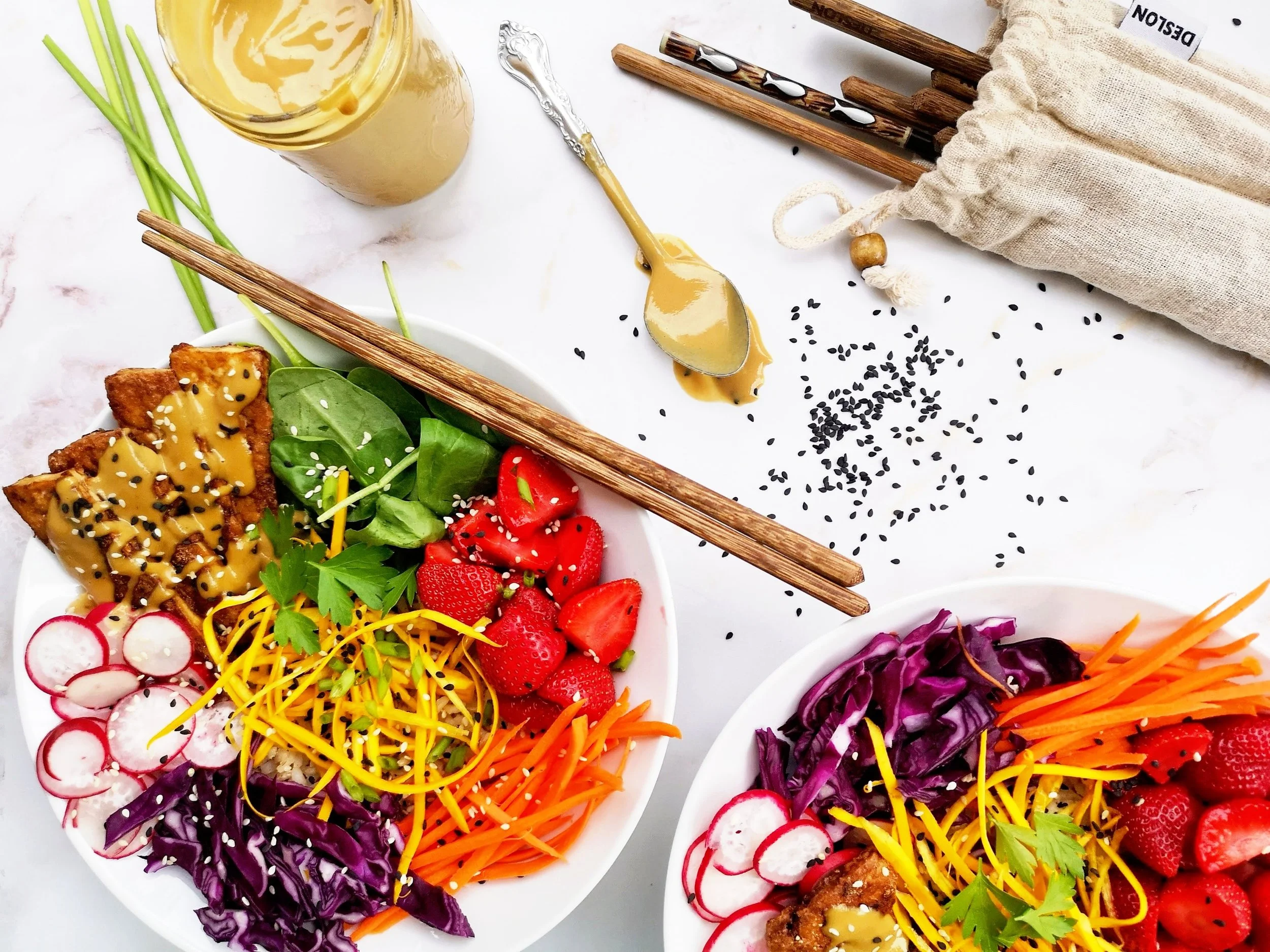
Photo by stephanie monfette on Unsplash
Are you considering a change to a more sustainable and healthy diet? If so, you might wonder whether a vegetarian or vegan diet is best for you. Before deciding which diet is best for you, let's check out the differences.
Vegetarian diets
A vegetarian diet does not include meat, poultry, or seafood. There are several different types of vegetarian diets, including:
Lacto-ovo vegetarian: This vegetarian diet includes dairy products and eggs but no meat, poultry, or seafood.
Lacto vegetarian: This vegetarian diet has dairy products but no eggs, meat, poultry, or seafood.
Ovo vegetarian: This diet includes eggs but no dairy products, meat, poultry, or seafood.
Pesco-vegetarian: This vegetarian diet includes seafood but no meat or poultry.
Vegan diet
A vegan diet is a vegetarian diet that excludes all animal products, including dairy products and eggs. The vegan diet is based on plant-based foods like grains, legumes, vegetables, and fruits.
Nutrition needs for a vegetarian and vegan diet
Both vegetarian and vegan diets are healthy and nutritionally good if adequately planned. However, vegetarians and vegans need to pay attention to their nutrient intake. These diets may be low in certain nutrients typically found in animal-based foods, such as protein, iron, and vitamin B12. Vegetarians and vegans may need to use fortified foods or supplements to ensure they get enough of these nutrients.
Health benefits
There are several health benefits associated with vegetarian and vegan diets. Research suggests that these diets help to:
Lower the risk of certain chronic diseases: Vegetarian and vegan diets are associated with a lower risk of certain chronic conditions, such as heart disease, type 2 diabetes, and certain types of cancer. This is due, in part, to the fact that these diets are typically high in fiber, antioxidants, and phytochemicals and low in saturated fat and cholesterol.
Promote weight loss: Vegetarian and vegan diets help with weight loss, as they are lower in calories and fat than diets that include animal products. These diets also help to reduce the risk of obesity and related conditions, such as high blood pressure and high cholesterol.
Improve kidney function: Some research suggests that vegetarian and vegan diets help to improve kidney function in people with kidney disease. This is due, in part, to the fact that these diets are typically low in protein and sodium, which puts less strain on the kidneys.
Reduce inflammation: Vegetarian and vegan diets help reduce inflammation in the body, contributing to various health problems, including heart disease and cancer. These diets particularly benefit people with inflammatory conditions, such as rheumatoid arthritis.
Note that vegetarian and vegan diets may not be suitable for everyone, and it is always a good idea to speak with your healthcare provider before making any dietary changes. It is also vital to ensure that these diets are correctly planned and balanced to meet your nutritional needs.
The potential health benefits of these diets vary depending on your specific needs and dietary habits.
Evidence suggests that vegan diets are more effective at reducing the risk of certain chronic diseases, such as heart disease, type 2 diabetes, and certain types of cancer, compared to vegetarian diets that include dairy products and eggs. This is due, in part, to the fact that vegan diets are typically higher in fiber, antioxidants, and phytochemicals and lower in saturated fat and cholesterol compared to diets that include animal products.
The best diet for you depends on your needs, preferences, and health goals.
How to avoid nutrient deficiencies
There are several ways to prevent nutrient deficiencies on a vegetarian or vegan diet:
Consume a variety of plant-based protein sources: Get protein from various plant-based sources, such as beans, lentils, tofu, tempeh, nuts, and seeds. Including a variety of these sources in your diet is essential to ensure you get all the essential amino acids your body needs.
Eat plenty of vegetables: Vegetables are a good source of many nutrients, including vitamins, minerals, and fiber. Aim to include a variety of colorful vegetables in your diet to ensure you get a wide range of nutrients.
Include fortified foods in your diet: Some foods, such as plant-based milk, breakfast cereals, and nutritional yeasts, are fortified with nutrients that may be lacking in a vegetarian or vegan diet, such as vitamin B12 and vitamin D.
Consider taking supplements: If you are following a strict vegetarian or vegan diet, it may be necessary to take supplements to ensure you get enough of certain nutrients, such as vitamin B12, omega-3 fatty acids, and iron. Speaking with a healthcare provider to determine which supplements may be necessary for you is a good idea.
Plan your meals and snacks: Planning your meals and snacks helps ensure you get enough nutrients on a vegetarian or vegan diet.
Differences between the vegetarian and vegan diet
A vegetarian diet is a diet that excludes meat and seafood but may include dairy products and eggs. On the other hand, a vegan diet excludes all animal products, including dairy, eggs, and honey.
One of the main differences between the two diets is their ethical reasoning. For some people, the vegetarian diet is a way to reduce meat consumption and help the environment. For others, veganism is a way of avoiding all forms of animal exploitation and cruelty.
With careful planning and attention to nutrition, you can enjoy the many benefits that these diets can provide. When deciding between a vegetarian or vegan diet, it is crucial to consider your personal beliefs, health goals, and lifestyle.
In conclusion, whether you choose a vegetarian or vegan diet, you can rest assured that you positively impact your health and the environment. So, why not give it a try today?