Vitamin E
What is vitamin E?
Vitamin E is a fat-soluble vitamin, stored in muscle and adipose tissue, which includes two families of four compounds: 4 forms of tocopherols (alpha, beta, gamma, delta) and 4 forms of tocotrienols (alpha, beta, gamma, delta).
The best known and most active form in the body is alpha-tocopherol. It is used in natural or synthetic form, the natural form having, according to studies, a better bioavailability and being better absorbed by the body. In supplements or fortified foods, the different names used to designate this natural form can be indifferently: d-alpha-tocopherol, RRR-alpha-tocopherol, d-alpha-tocopheryl acetate or succinate. This is the only "alpha" tocopherol.
It can also be found with the 4 tocopherols (alpha, beta, gamma, delta), which makes it much more physiological since it is similar to what can be found in food.
What is its function and what are its benefits?
Vitamin E plays an essential role in protecting the membrane of all the cells in the body.
The main and best known role of vitamin E is its antioxidant role. It neutralizes the aggressive action of free radicals on the body, and protects cell membranes and fats from oxidation. Therefore, it has a particular role in the beauty of the skin.
It is often associated with vitamin C and vitamin A, since it is known to facilitate their action by preventing their oxidation.
In addition, it is also often used as a preservative (under the names E306 to E309), to prevent the rancidity of foods exposed to the oxidative action of oxygen.
It would also seem to play a role in the prevention of cardiovascular diseases, and would have immune and anti-inflammatory properties.
Where to find it?
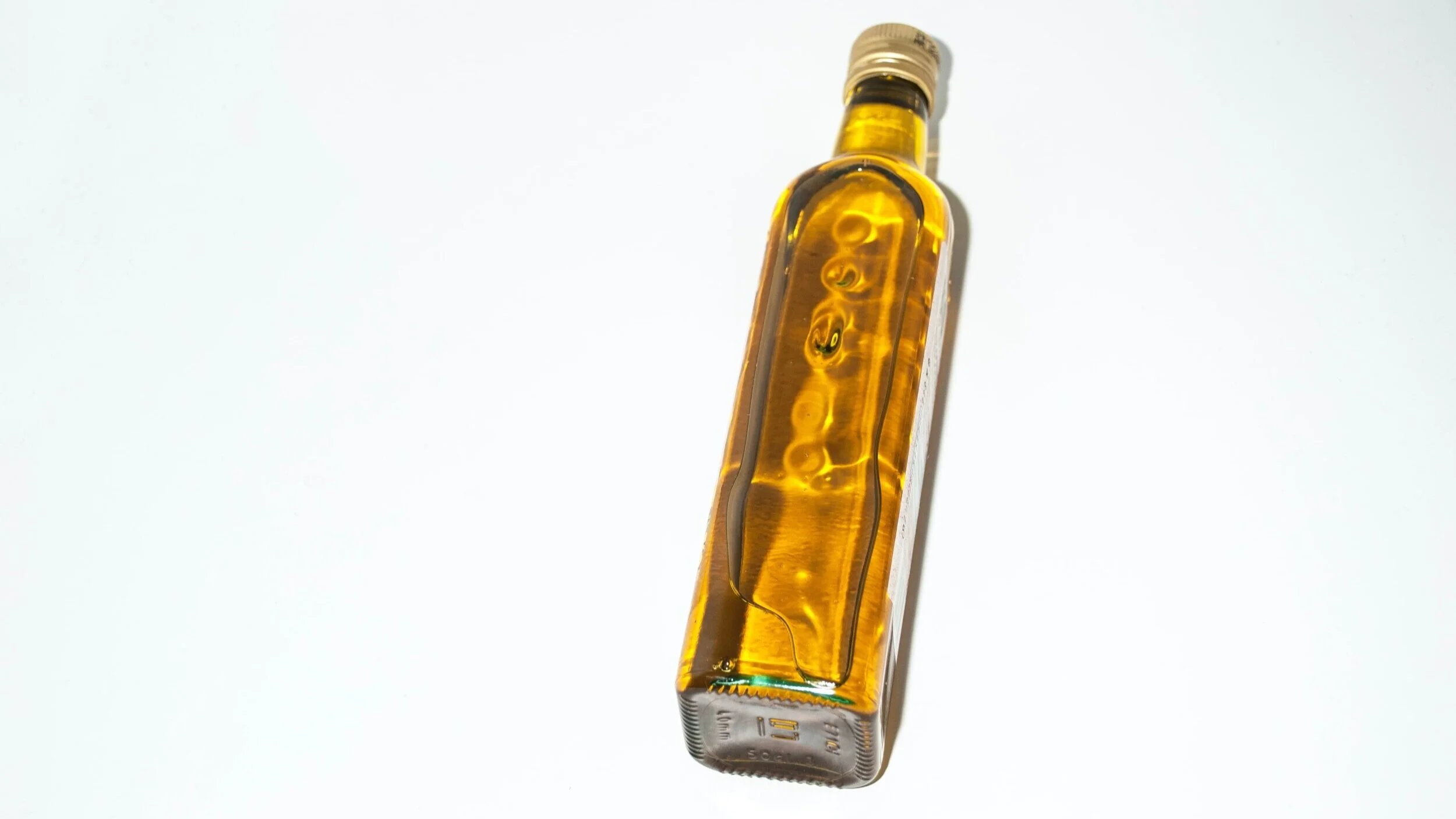
Vitamin E is found mainly in vegetable oils (olive, colza, wheat germ, soya, peanut, etc.), and in oilseeds (walnuts, almonds, hazelnuts, etc.). To a lesser extent, it can also be found in green vegetables (spinach, broccoli, etc.), butter, fatty fish, milk, parsnips, chestnuts, kiwis, etc.
It should be noted that in fortified foods, it is most often the synthetic form that is used.
Deficiency and excess
Cases of deficiency are relatively rare, as vitamin E is well stored in the body.
This being said, the needs can be increased in people who are exercising, smokers, pregnant or breast-feeding women, elderly people, people subject to pollution, chronic alcoholics, people with a high-fat diet, people suffering from absorption disorders such as celiac disease or Crohn's disease, premature children, etc.