Silicon
What is silicon?
Silicon is one of the so-called “new trace elements” that is present in trace amounts in the body, but is nevertheless essential to life. It is present mainly in the bones, skin, aorta, thymus, muscles, tendons and ligaments.
What is its function and what are its benefits?
One of the most important roles of silicon is to contribute to the mineralization and protection of bones and cartilage. In particular, it facilitates the fixation of calcium, and would help to synthesize vitamin D. Moreover, it participates in the production of collagen and elastin. Finally, it plays a role in the functioning of the immune system, by participating in the synthesis of antibodies in the thymus.
Silicon is considered to have beneficial effects on several human disorders, including osteoporosis, ageing of skin, hair and nails or atherosclerosis. It has also been suggested that silicon and silicic acid may decrease the bioavailability of aluminium by blocking the uptake of the latter by the gastrointestinal tract and impeding its reabsorption in the kidneys, thus protecting an organism against the toxic (especially neurotoxic) action of aluminium. Anticancer, antiatherosclerotic and antidiabetic effects of silicon have also been suggested.
Where to find it?
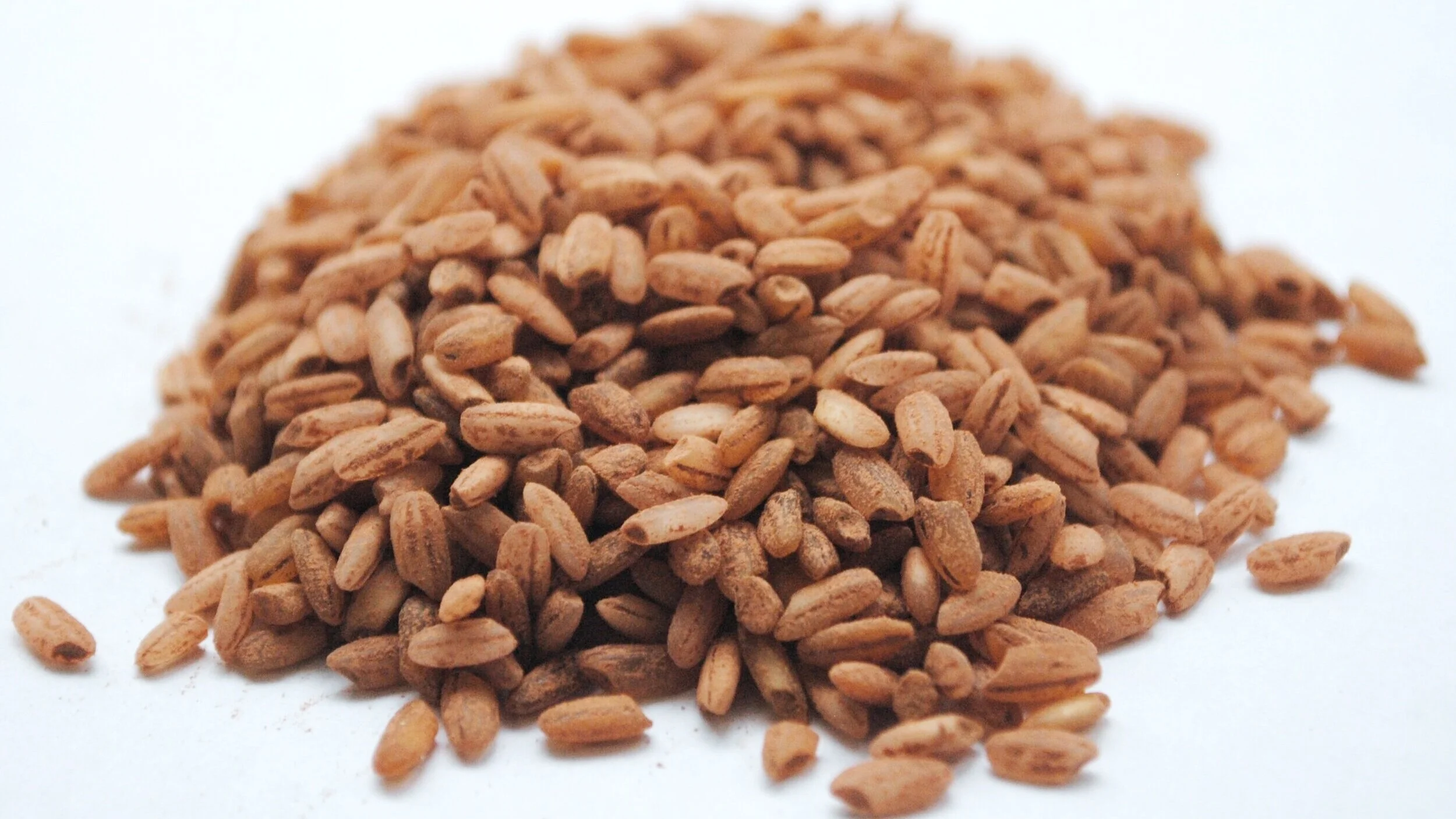
Silicic acid or orthosilicic acid are the bioavailable forms of silicon, found mainly in food rich in fiber and whole grains, in vegetables, fruit and in drinking water. Various alcoholic beverages such as beer or wine also contain considerable amounts of silicon.
Certain plants such as horsetail or nettle are often used in phytotherapy as they also contain good quantities.
Deficiency and excess
It is difficult to decide on cases of deficiency or excess, because no recommended nutritional intake has ever been established for silicon.
However, the level of silicon in the body, and in particular in the tissues that are richest in silicon (bones, muscles, tendons, ligaments...), seems to clearly decrease with age. In addition, micro-traumas, muscular or skeletal, suffered by most athletes, also seem to have an impact on the amount of silicon available.